
TEMPEST
SEVENMARKS GALLERY
TEMPEST
Mikey Freedom
SEVENMARKS GALLERY
27th March - 2nd May 2026
TEMPEST gathers fragments and debris from the artist’s passage, exposing remnants of thought, labour and refusal, held briefly in tension.
Wilful and unresolved, the exhibition weaves a personal interpolation of Shakespeare’s ‘The Tempest’, a meditation on uncertainty, endurance and the persistent force of the human hand.
Photos: Mikey Freedom & Cesar Cueva, The Future Artifact. 2026
TEMPEST, by no means heralds a departure from older forms by Freedom, but being his fourth exhibition at SEVENMARKS GALLERY, stands in stark contrast to his previous show SUNBATHER——more a statement than a message to be received, its attendees surely had to work as hard as Mikey did to produce it, work to lay hold of it’s heart he was so willing to share.
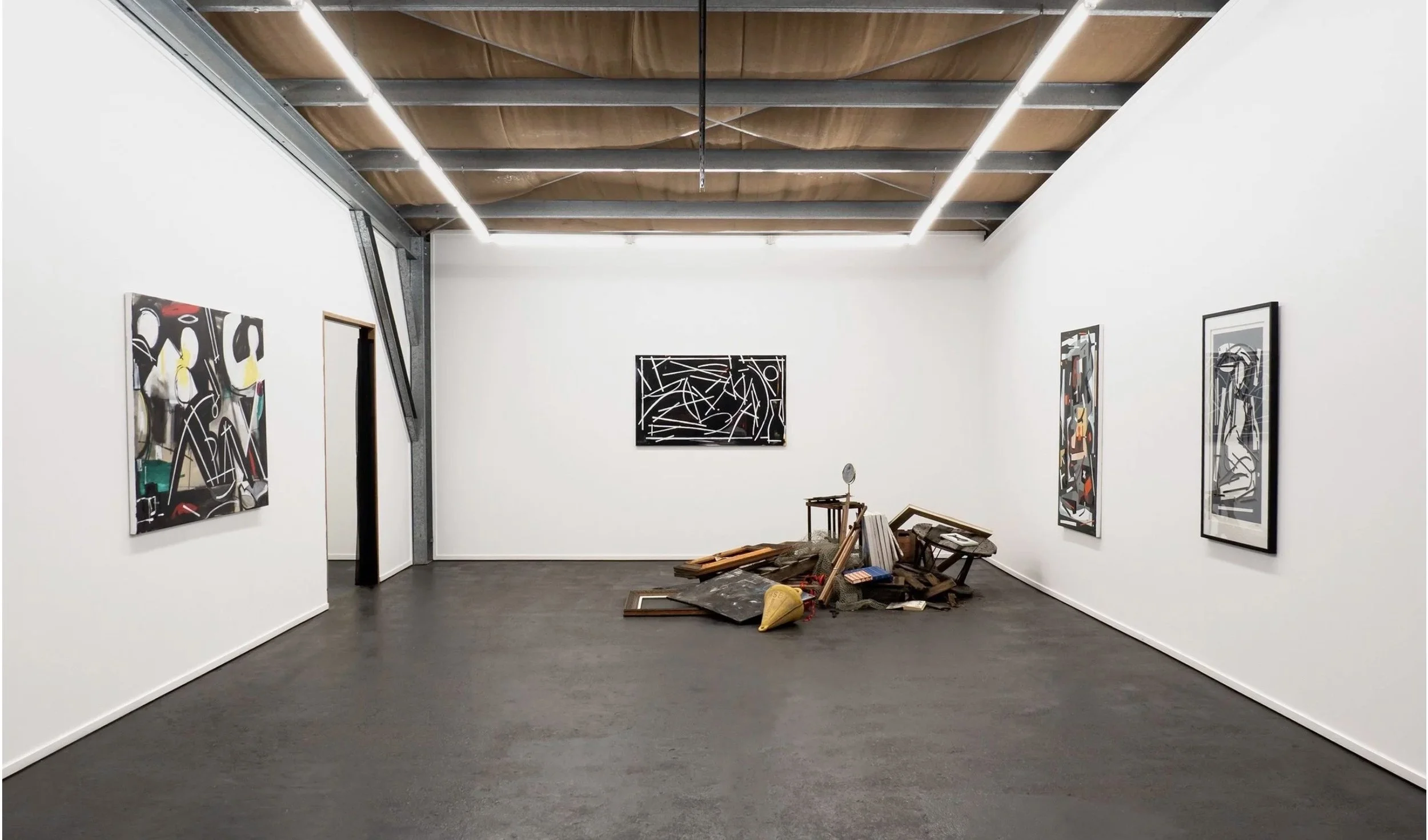
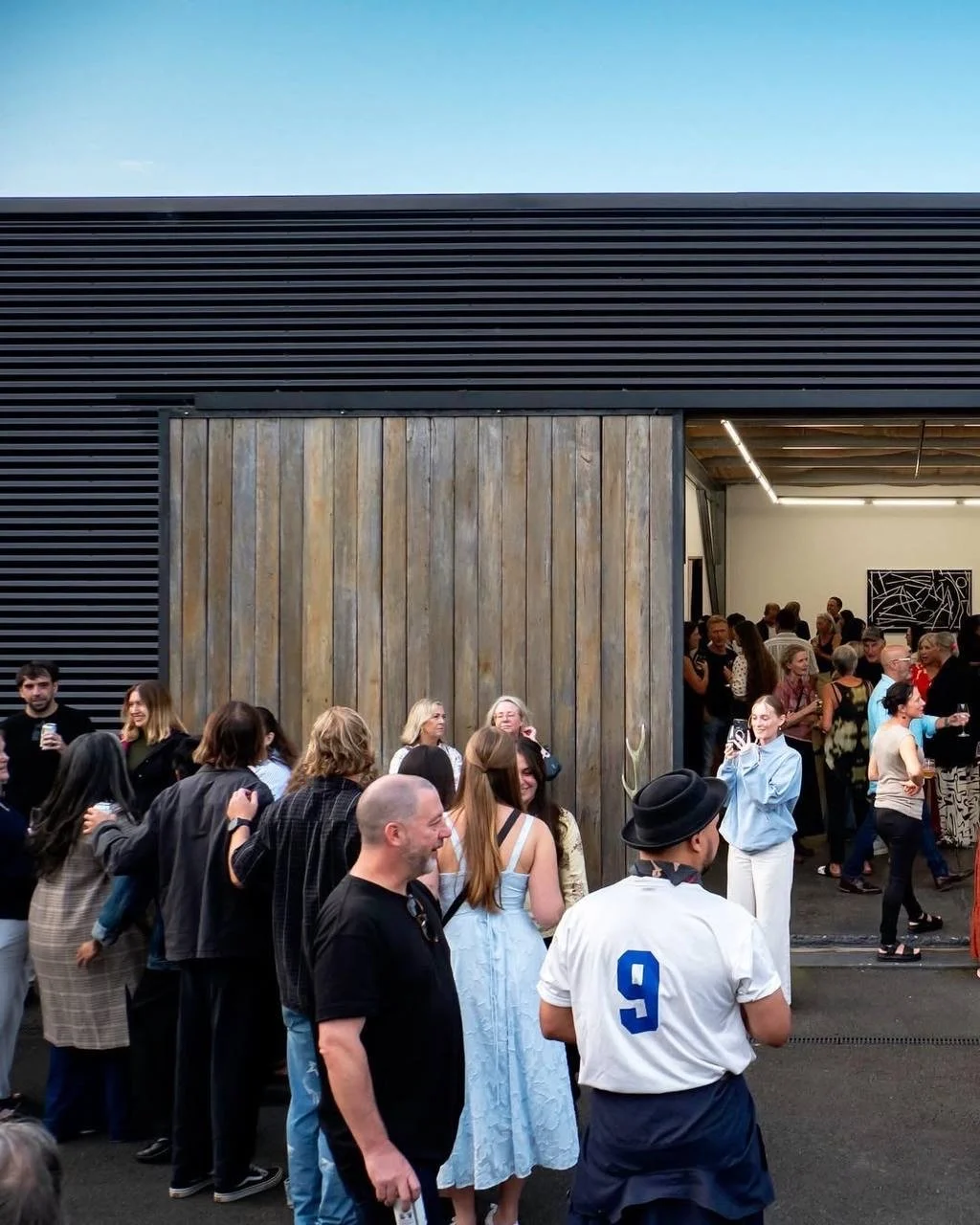
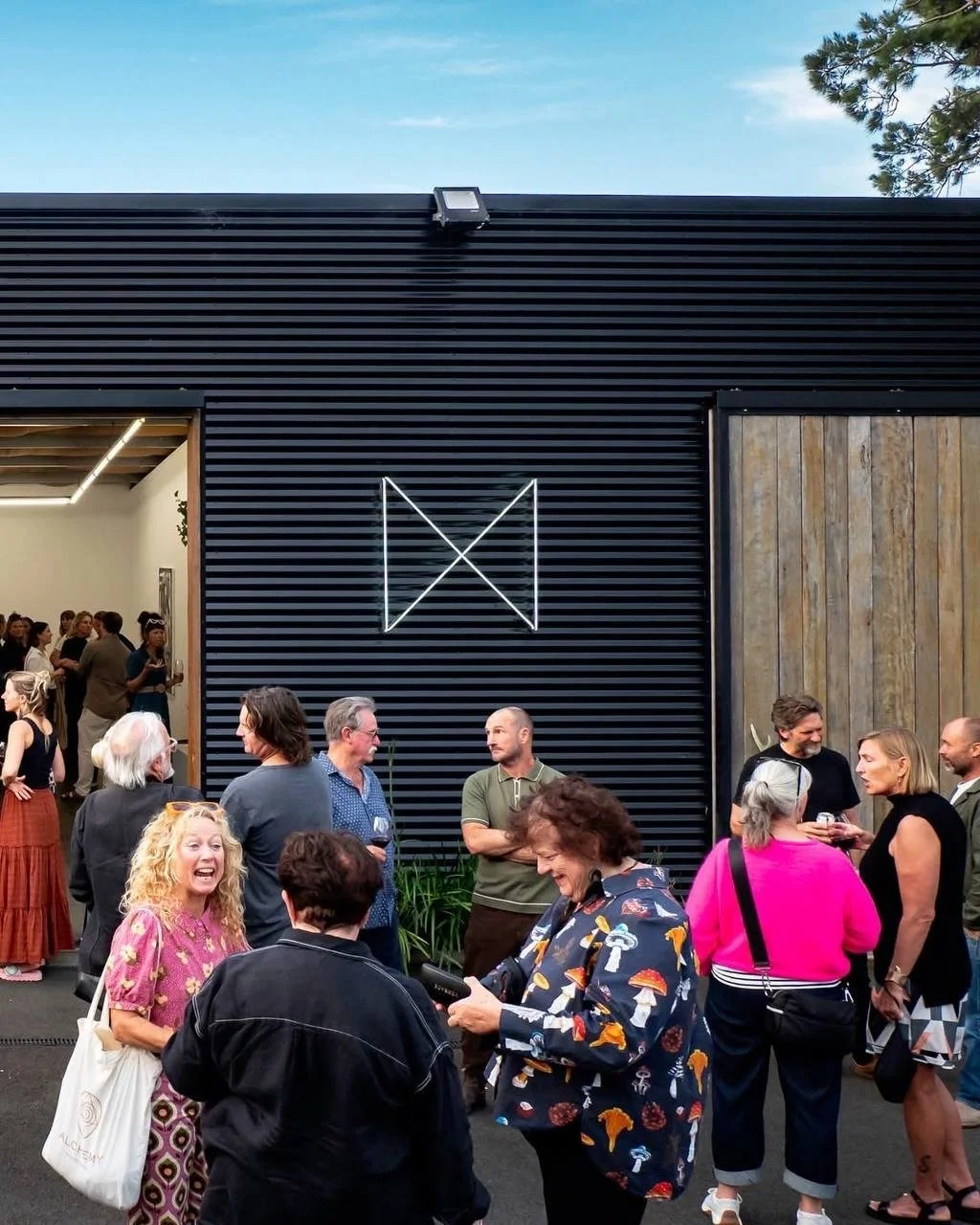
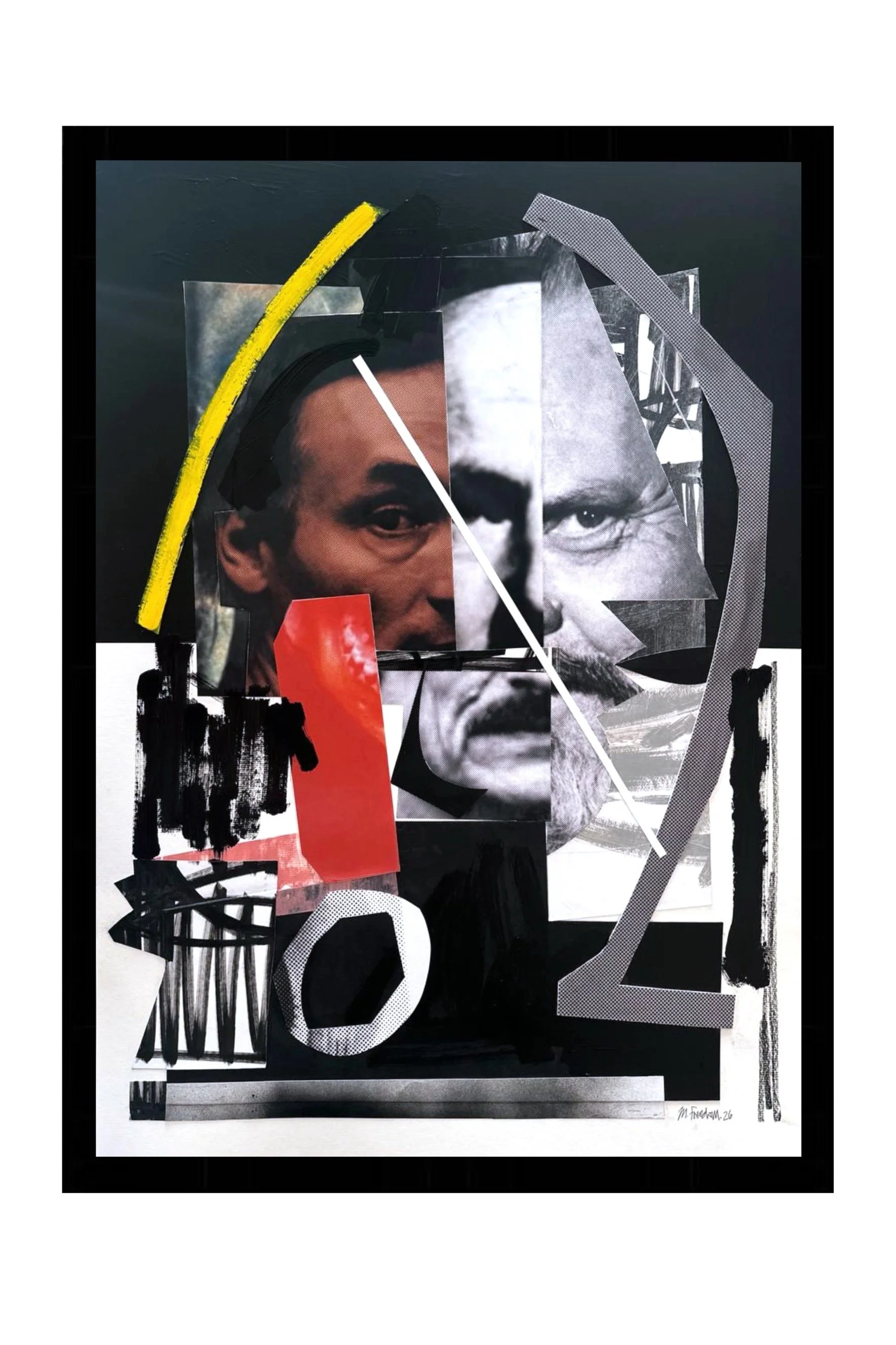
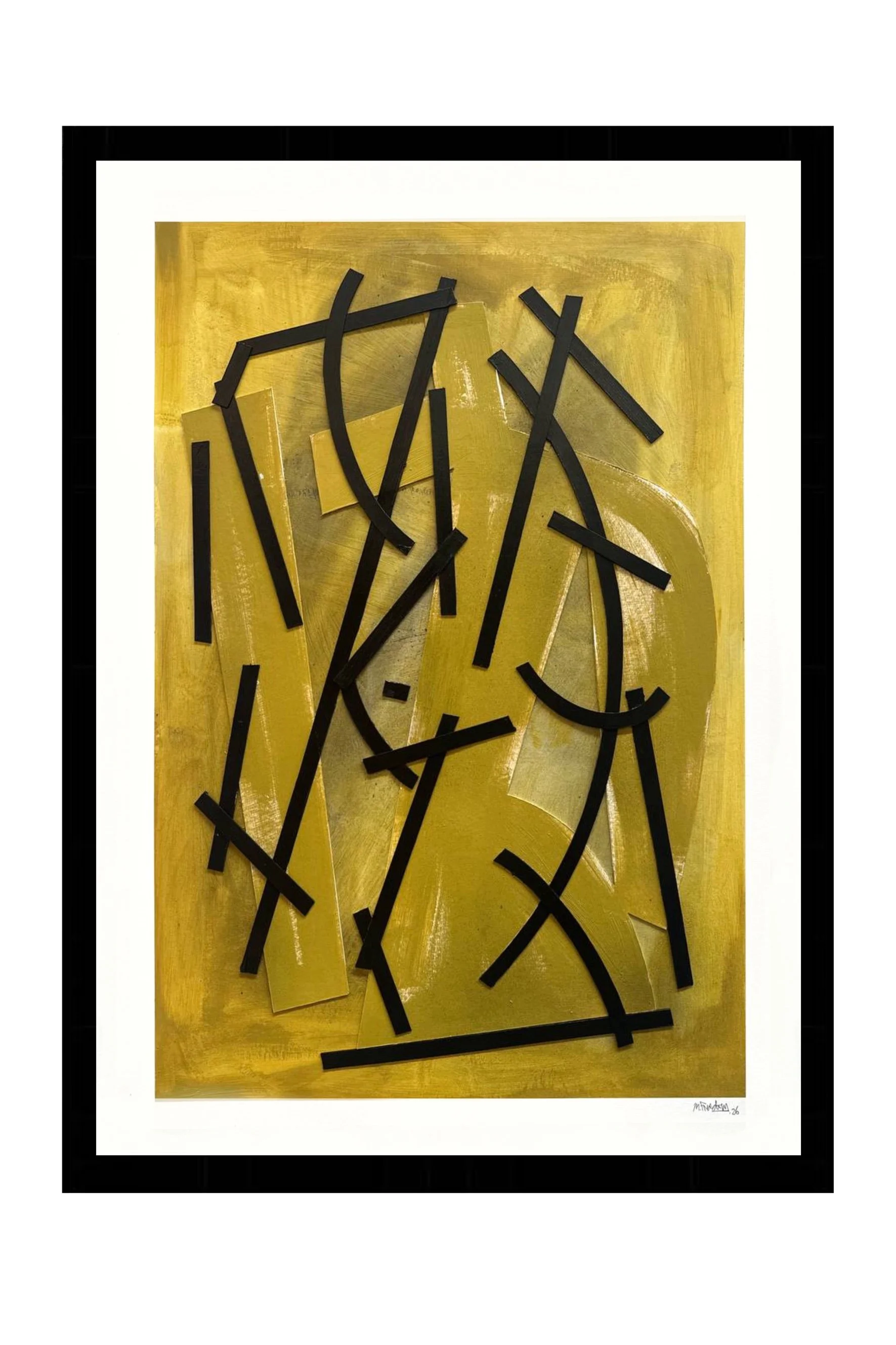
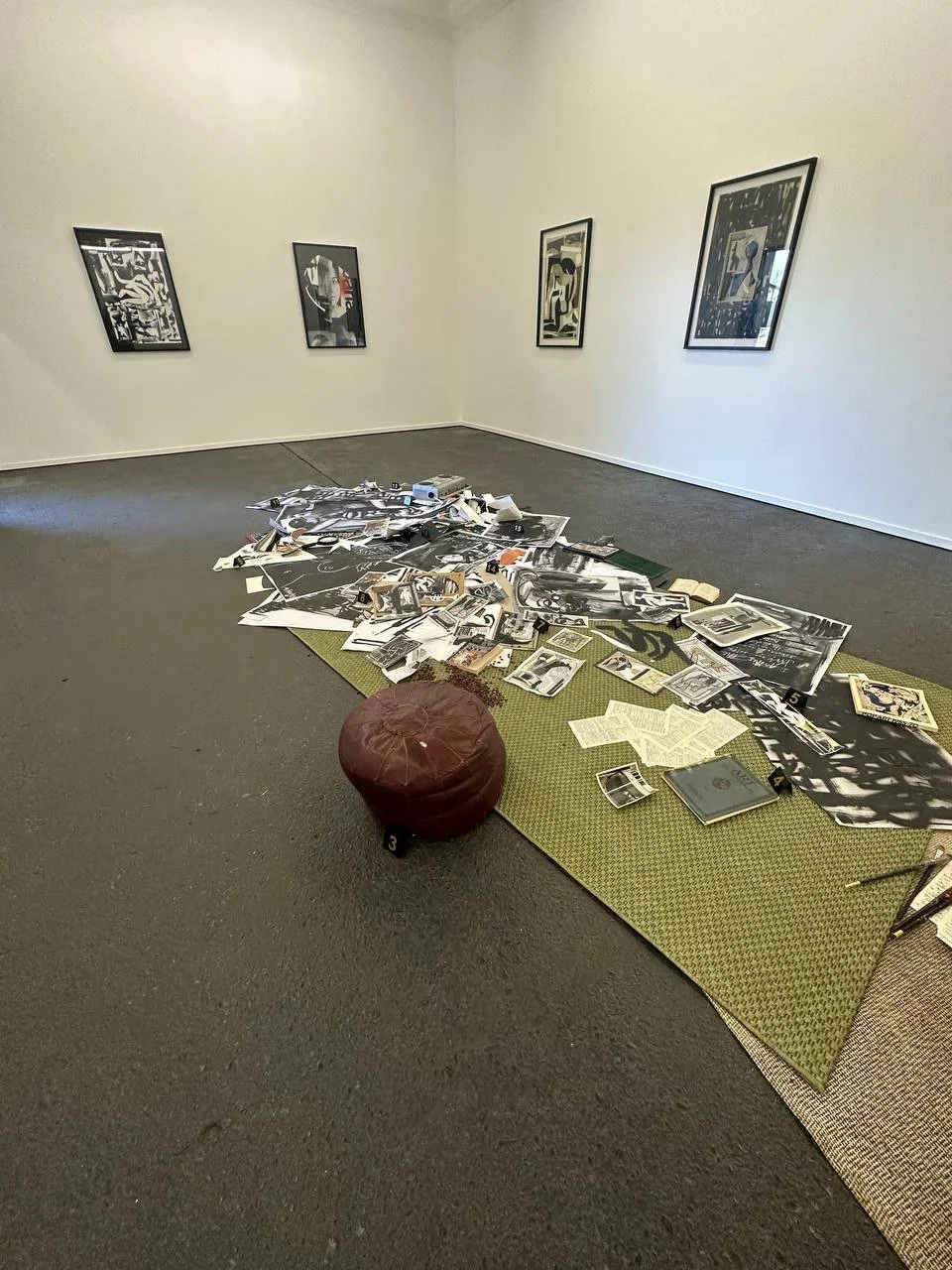
Opening night saw capacity, as people jostled their way through and around it’s two installations. There in, Tempest became a rare and gratifying space in today’s art world. Where many are engaging in the artifice of world building, this world has been lived in, tested and found most real. The artist did not simply borrow from Shakespeare’s The Tempest to do so, but wrestled with it, where only later did it provide a layer of meaning for symbols to be fashioned, to express more finer, hidden, points that the artist did not wish TEMPEST to advertise. Here the shifting weather of power, illusion, and control, were translated into a visual language that feels both immediate and earned——something that only the passage of time and personal history can provide. What might easily have collapsed into literary pastiche instead arrives as something more tactile, more unresolved: a field of marks, fragments, and gestures that resist polish in favour of urgency. The works carry a raw authority—the kind that comes not from refinement alone, but from a willingness to let contradiction stand. Black and white is not treated as aesthetic shorthand but as a moral tension, a push and pull between revelation and concealment. One senses the artist thinking through the medium, rather than decorating it.
What distinguishes Tempest is its refusal to flatter either the viewer or the prevailing habits of the art world. There is no attempt here to smooth over difficulty or to translate complexity into something easily consumed. Instead, the exhibition insists on its own terms, and in doing so, achieves a kind of clarity that is increasingly rare: not clarity of message, but clarity of intent. It reminds us—quietly but firmly—that painting, or image-making more broadly, can still be a site of genuine inquiry rather than mere production. In an era inclined toward speed and surface, Tempest feels deliberate, even obstinate, and all the better for it.
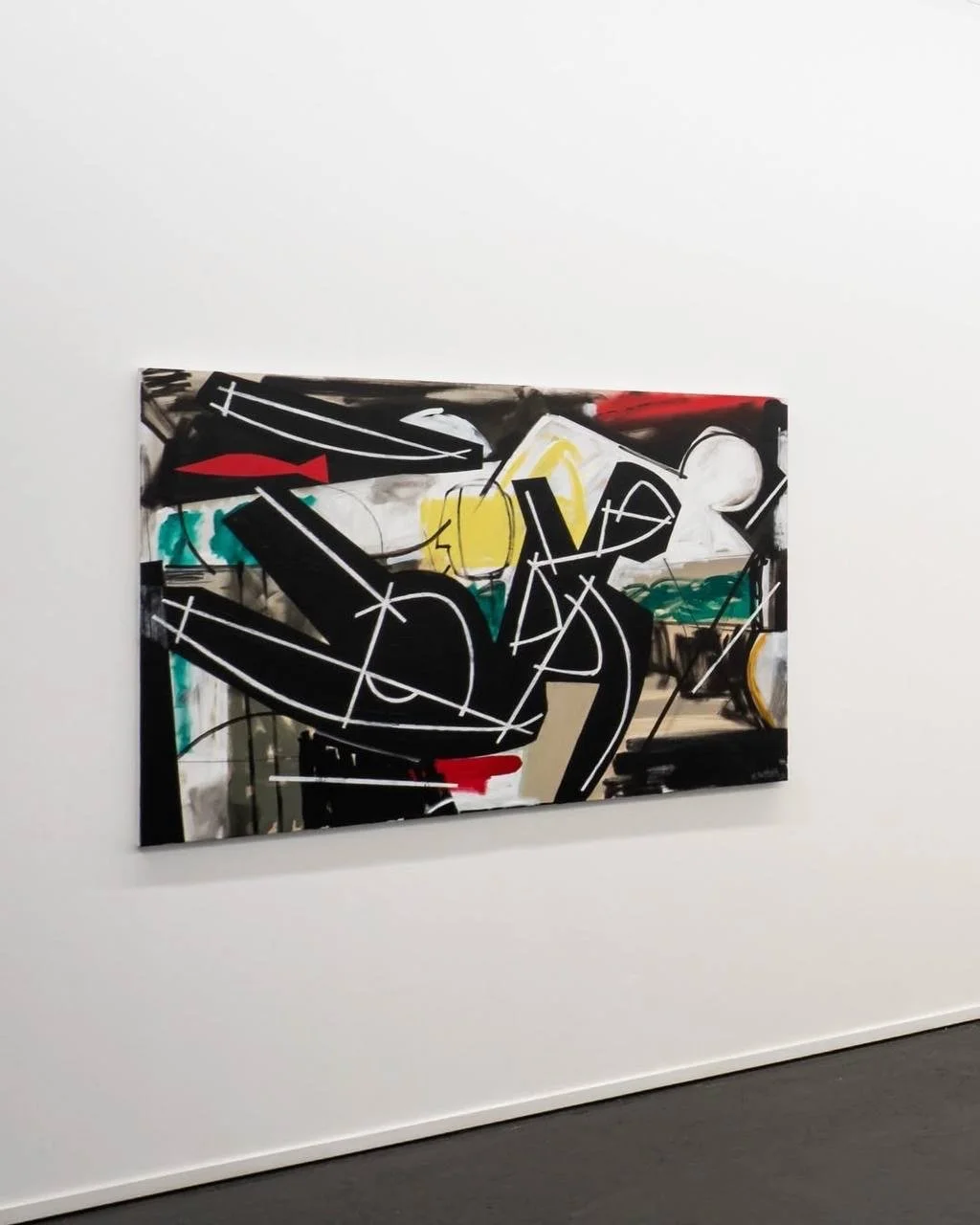
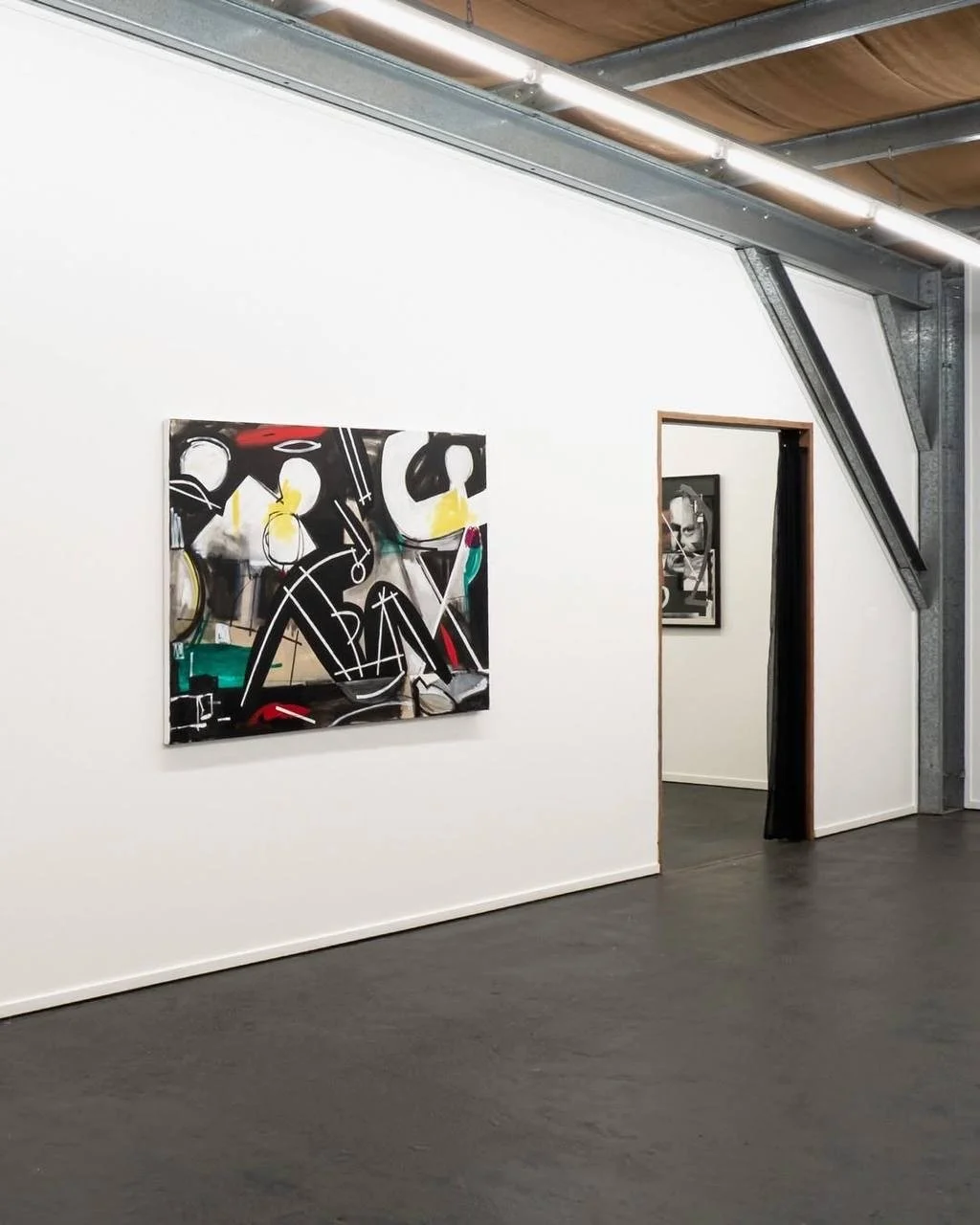
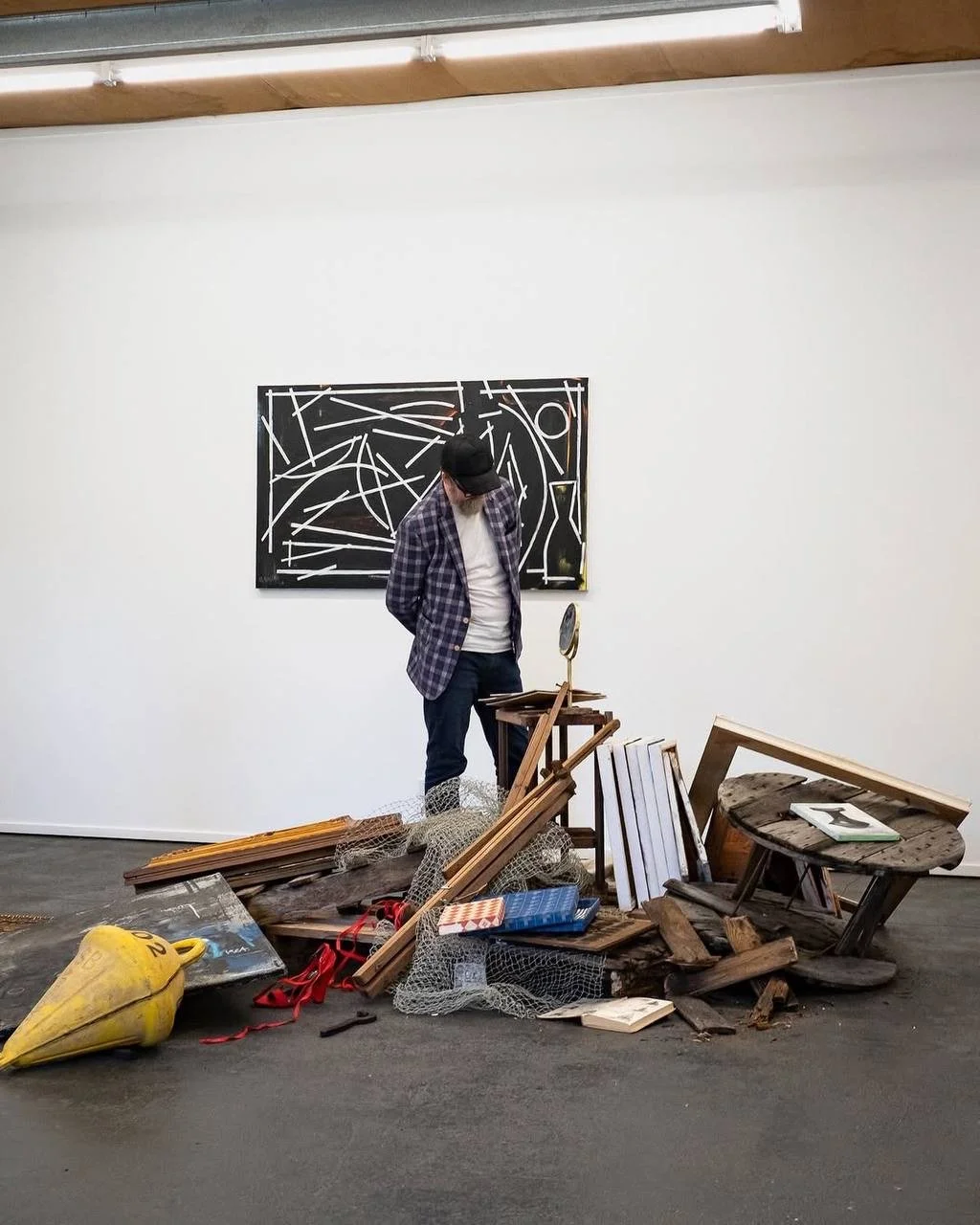
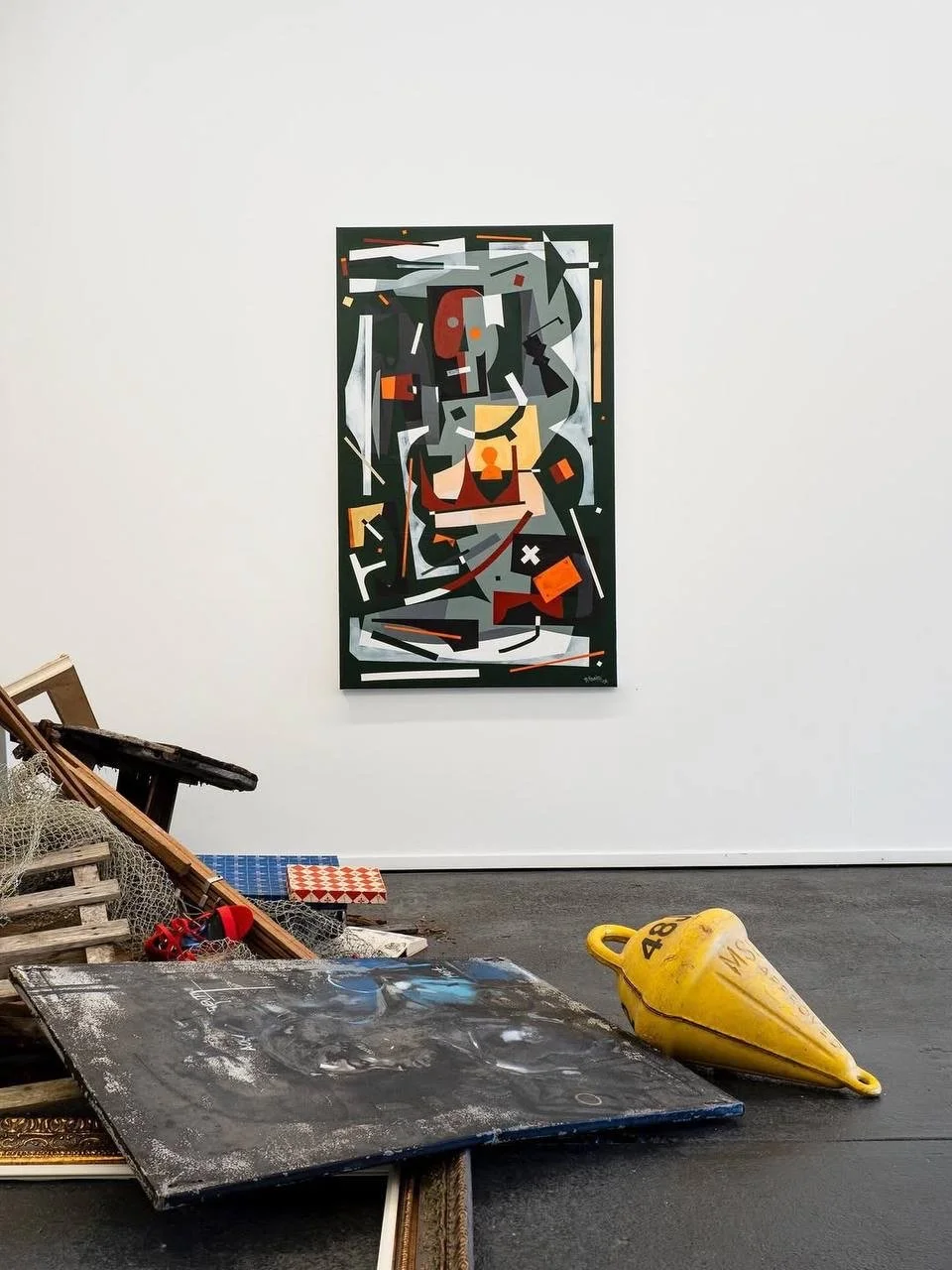
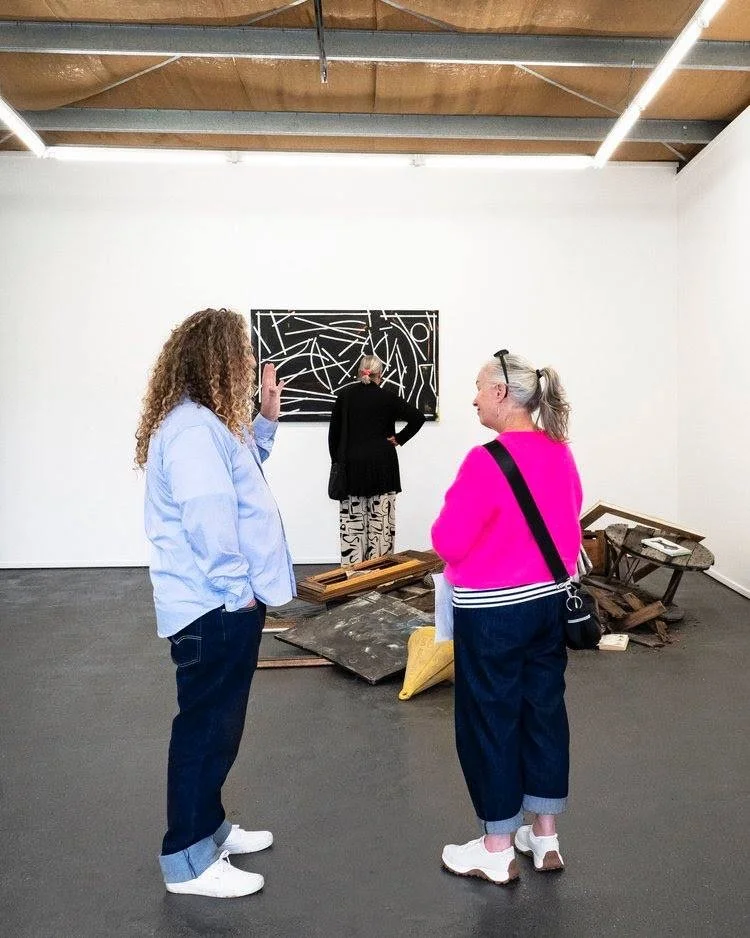
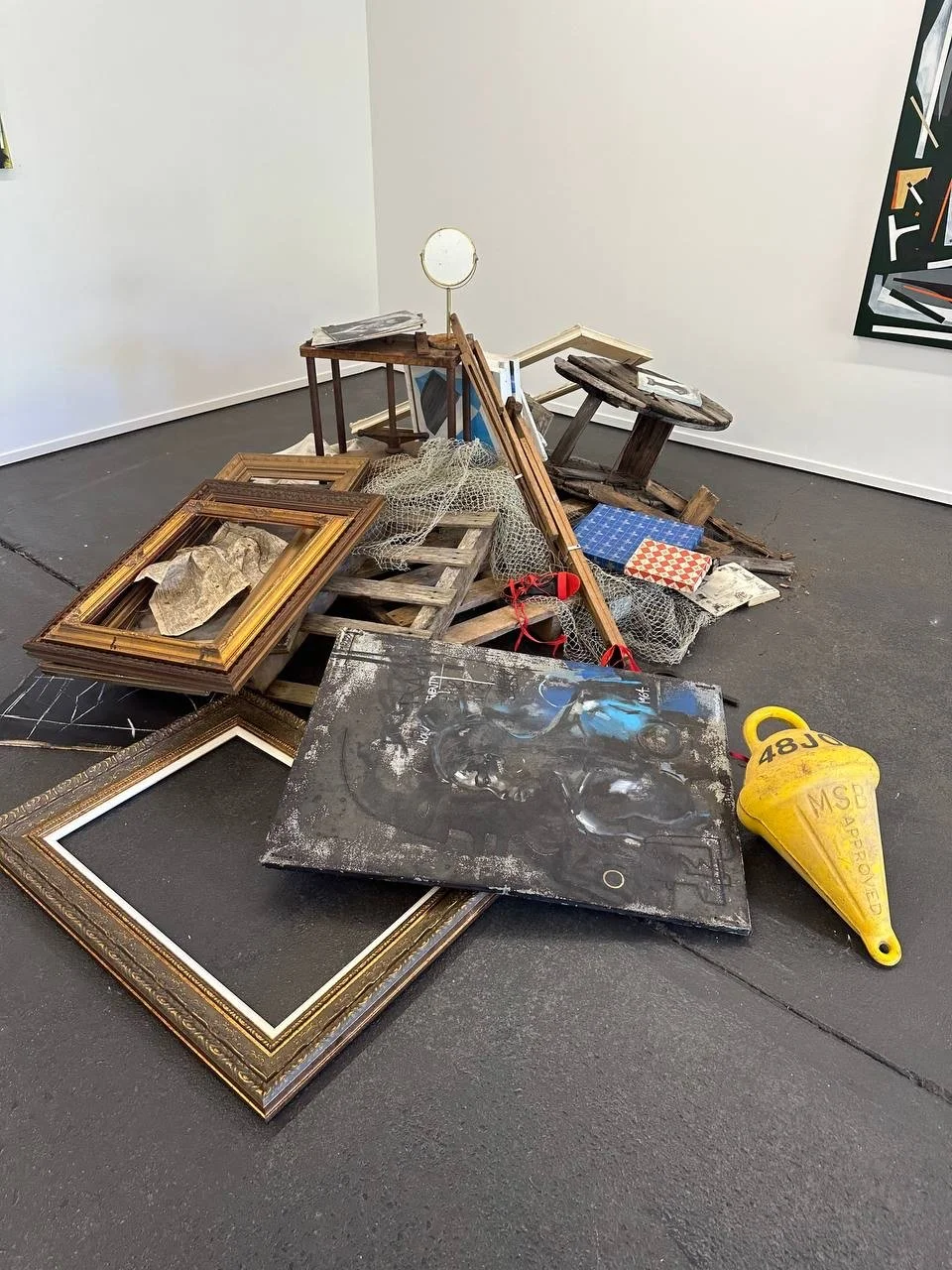
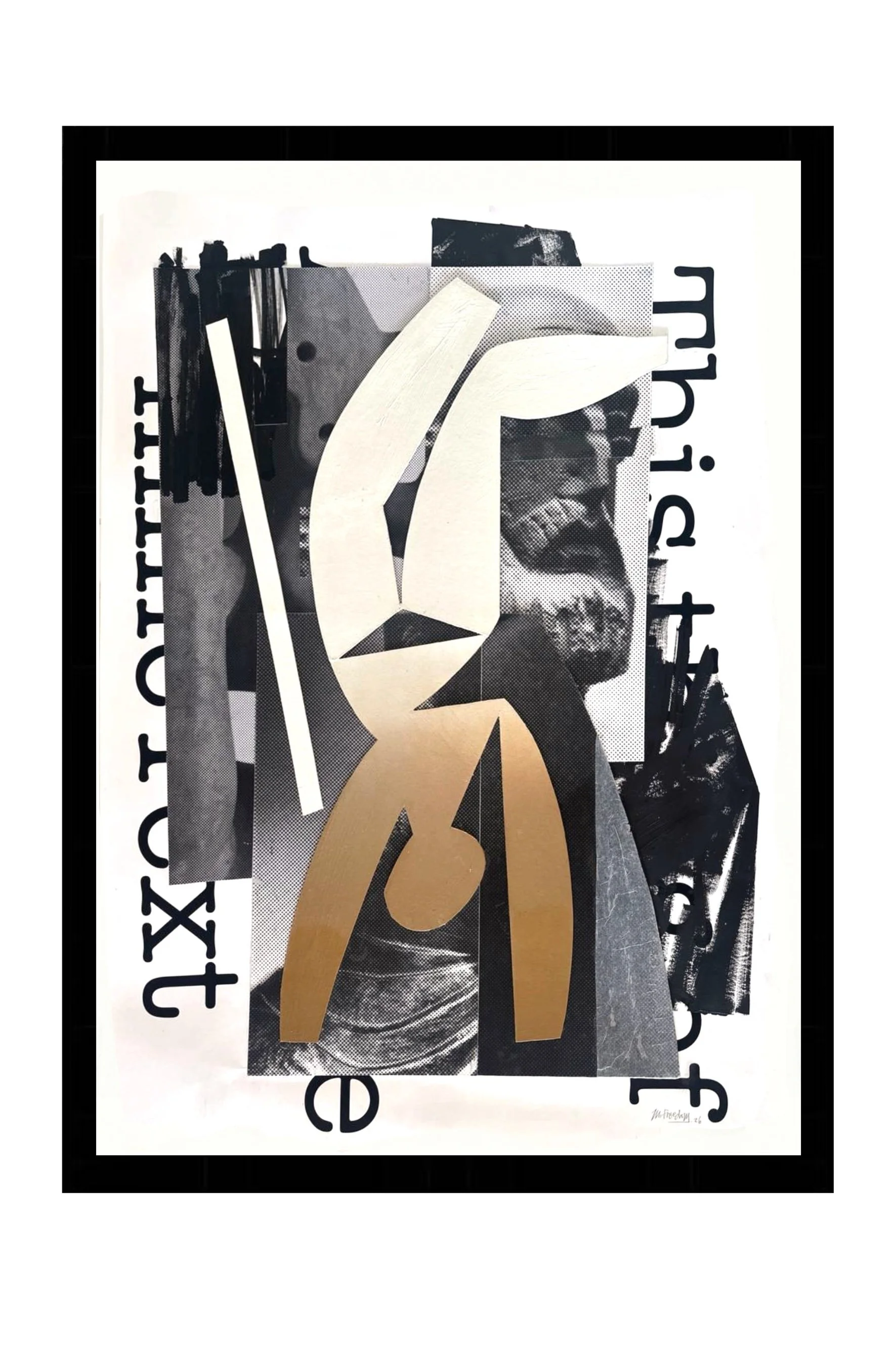
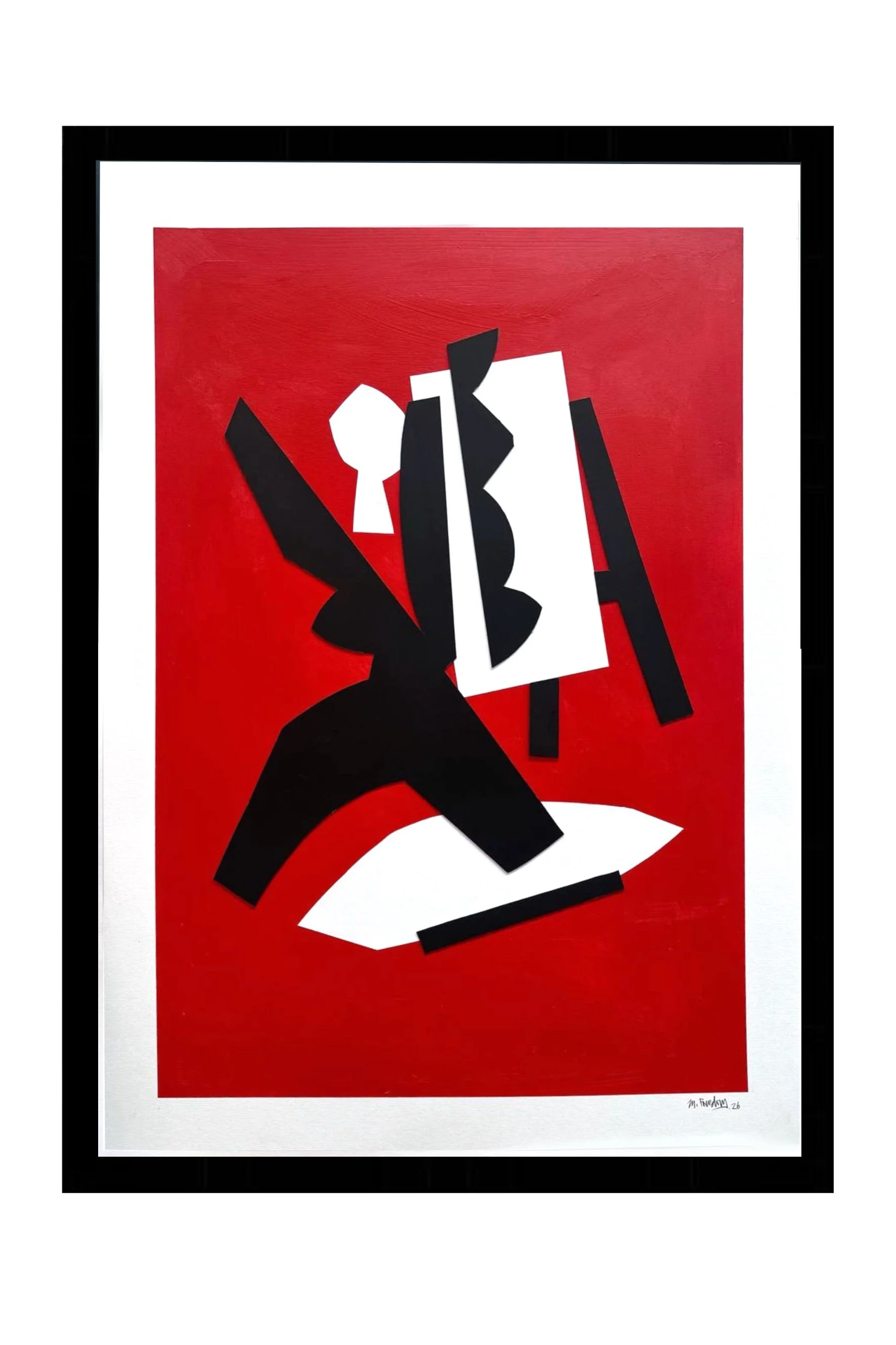
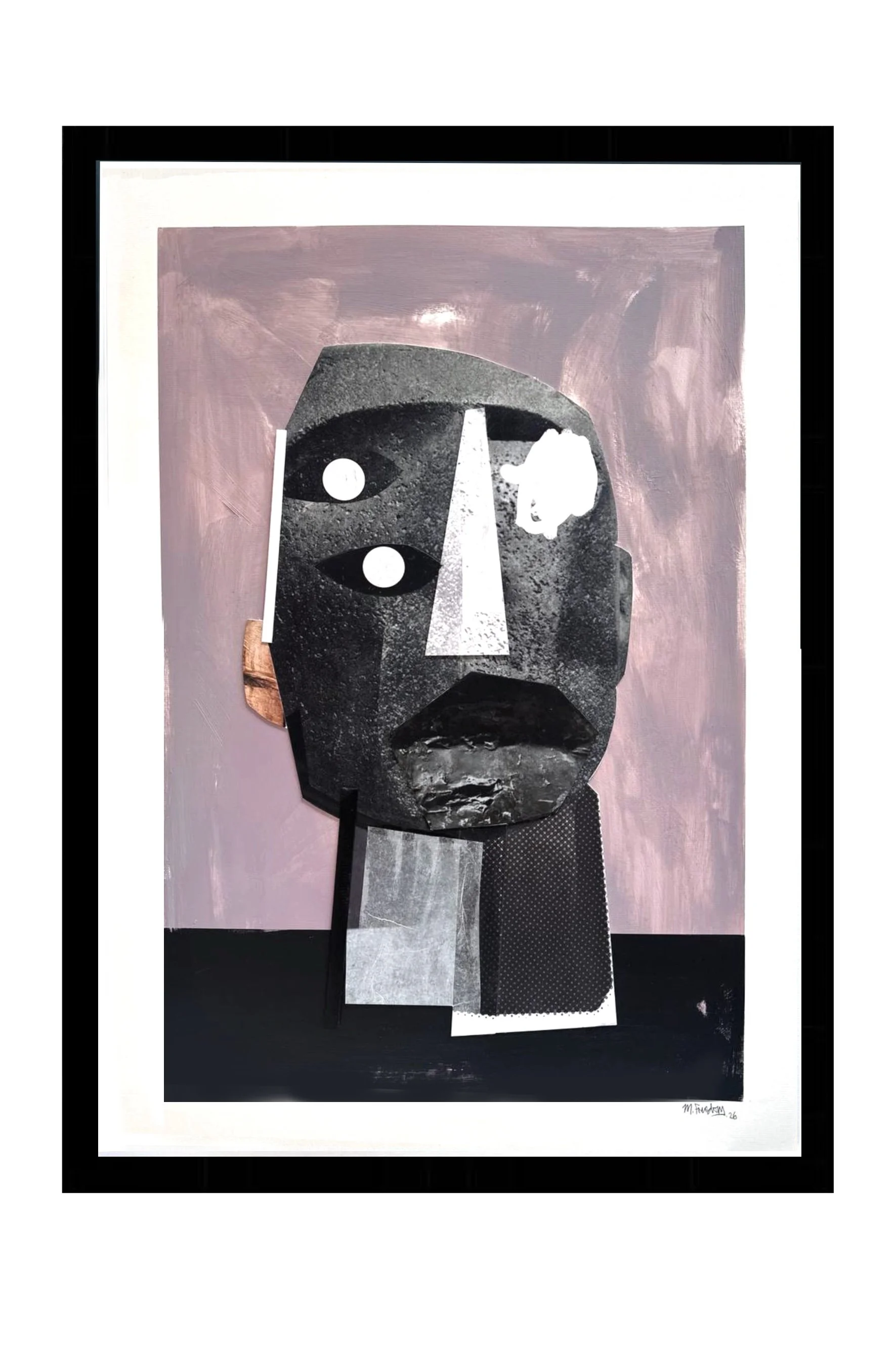
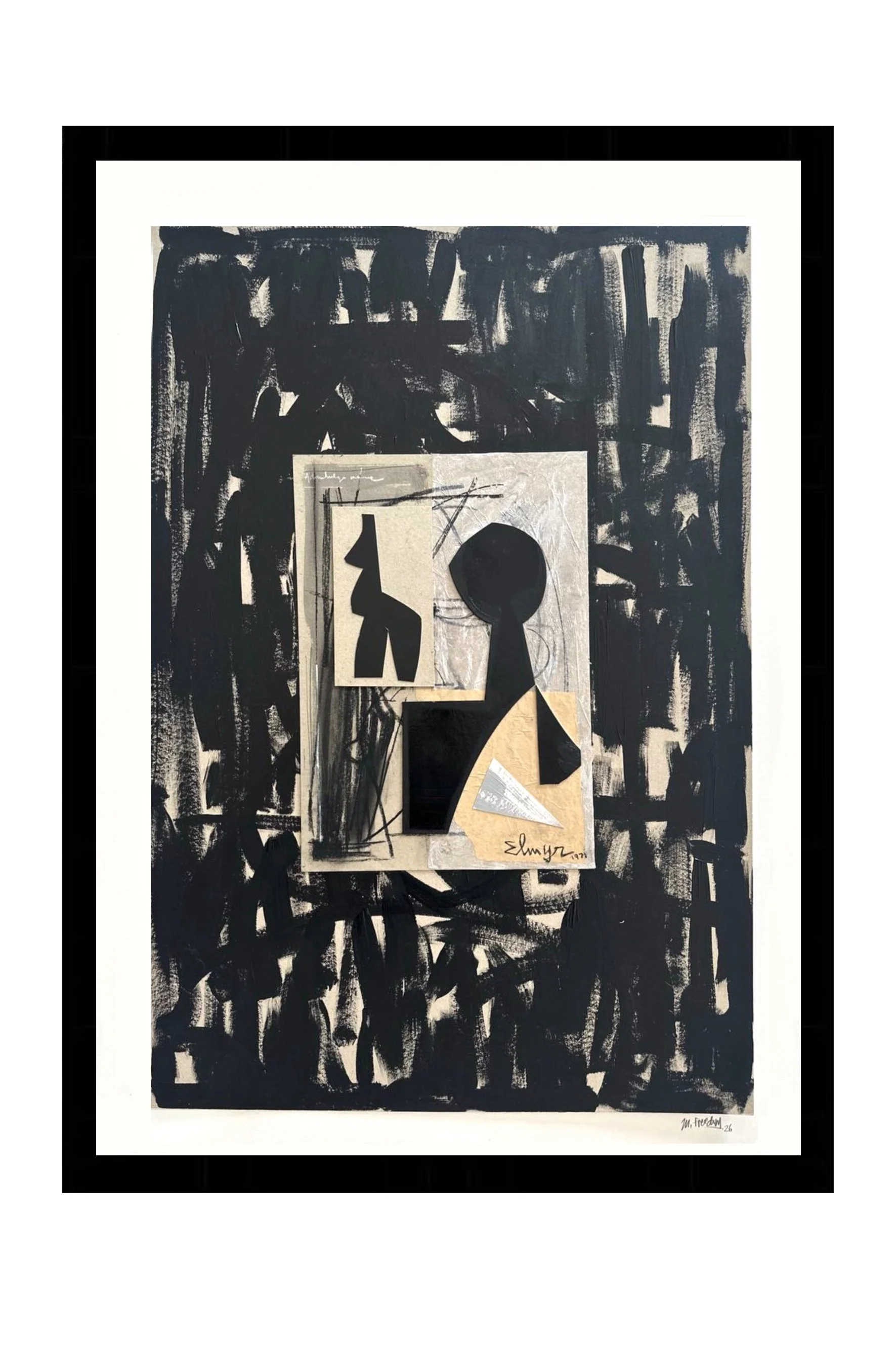
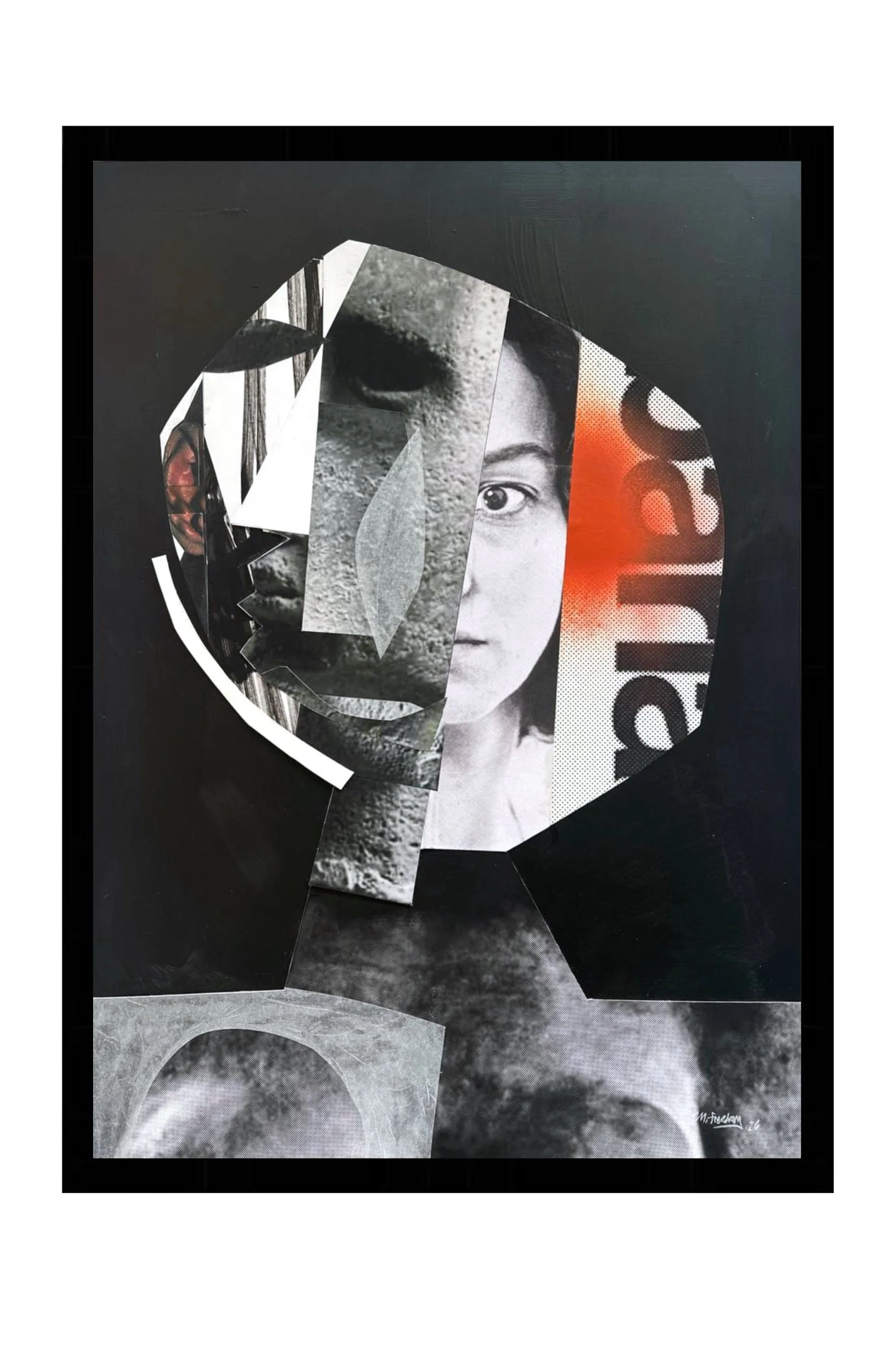
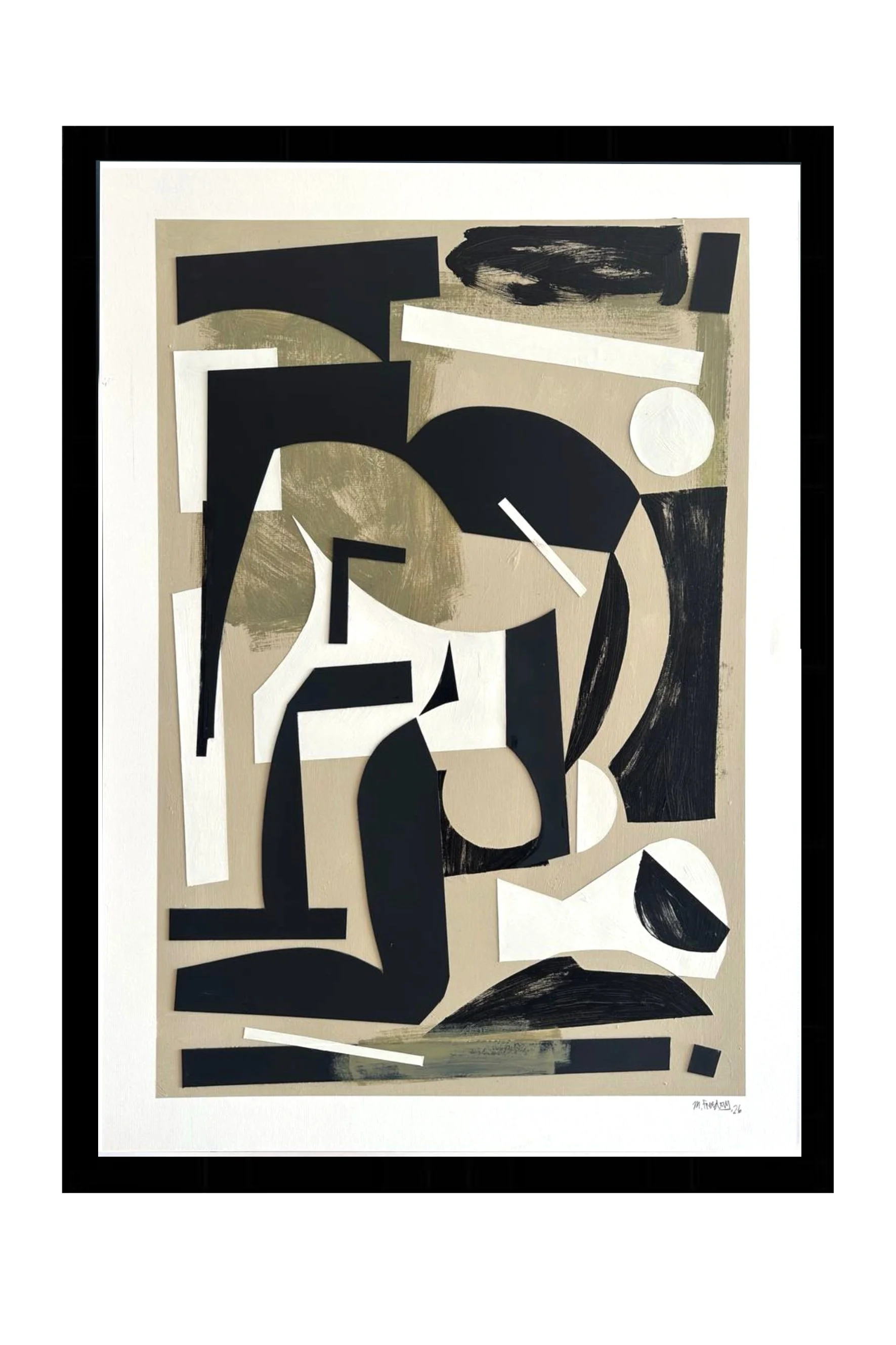
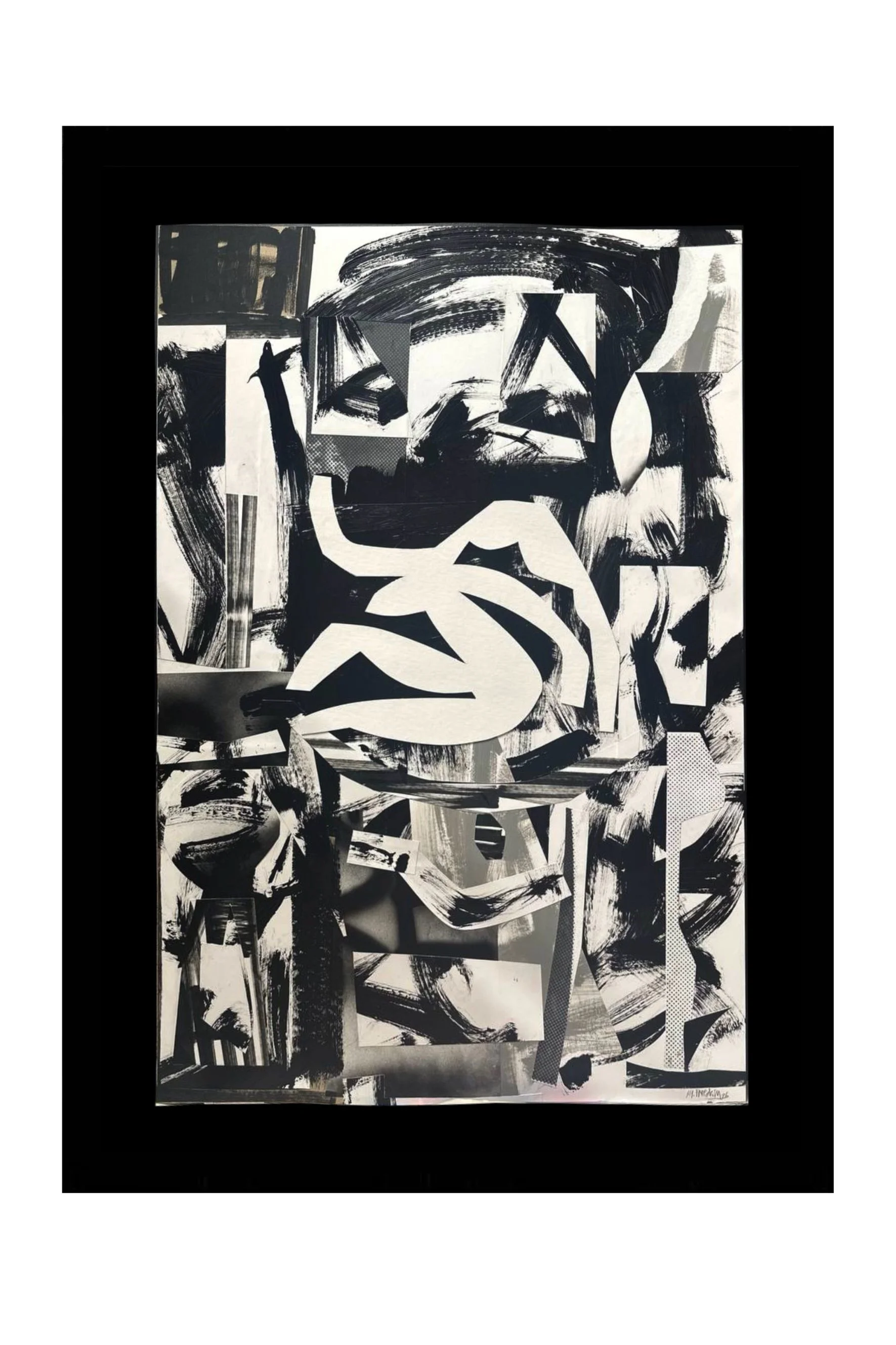
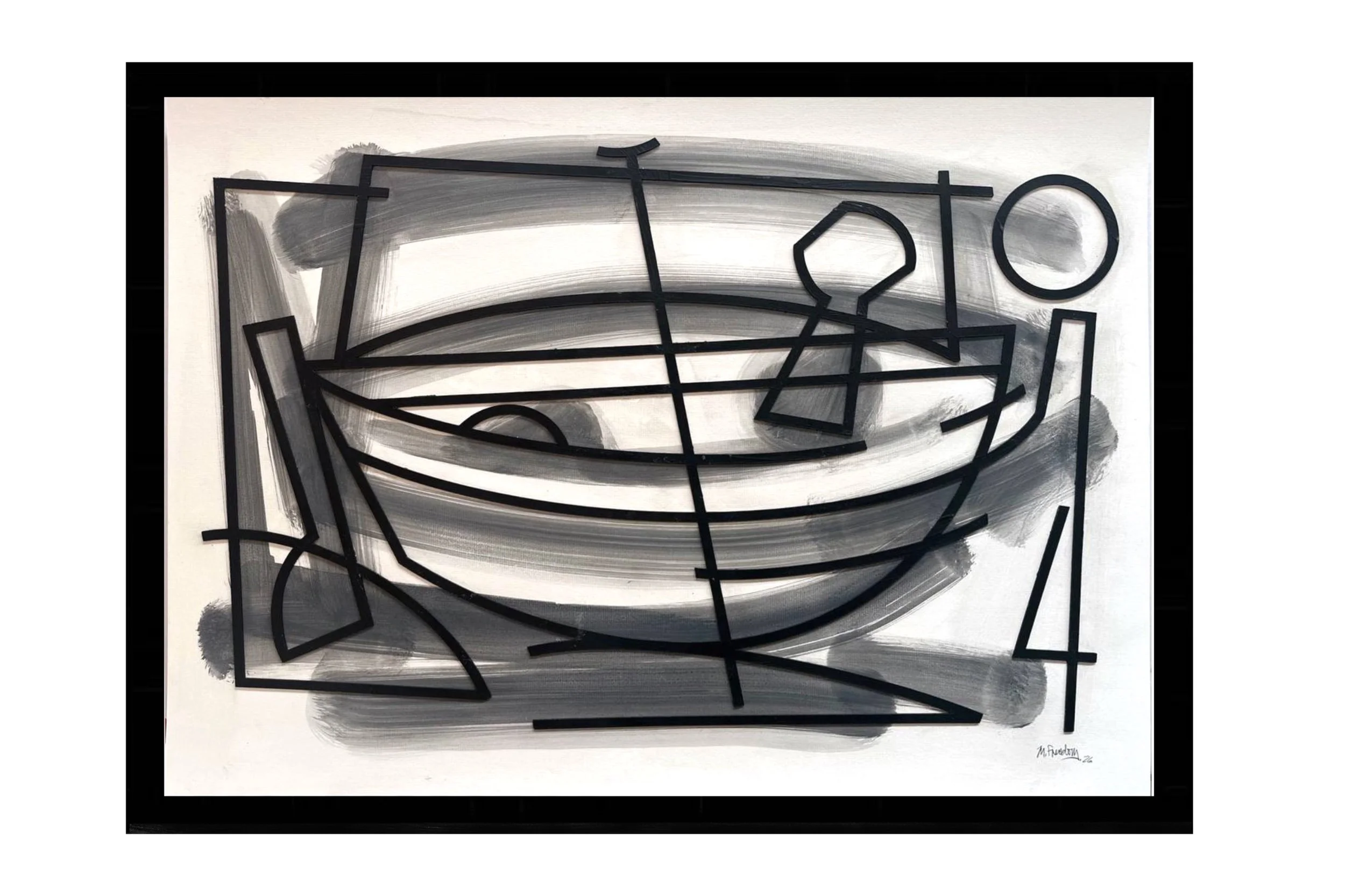
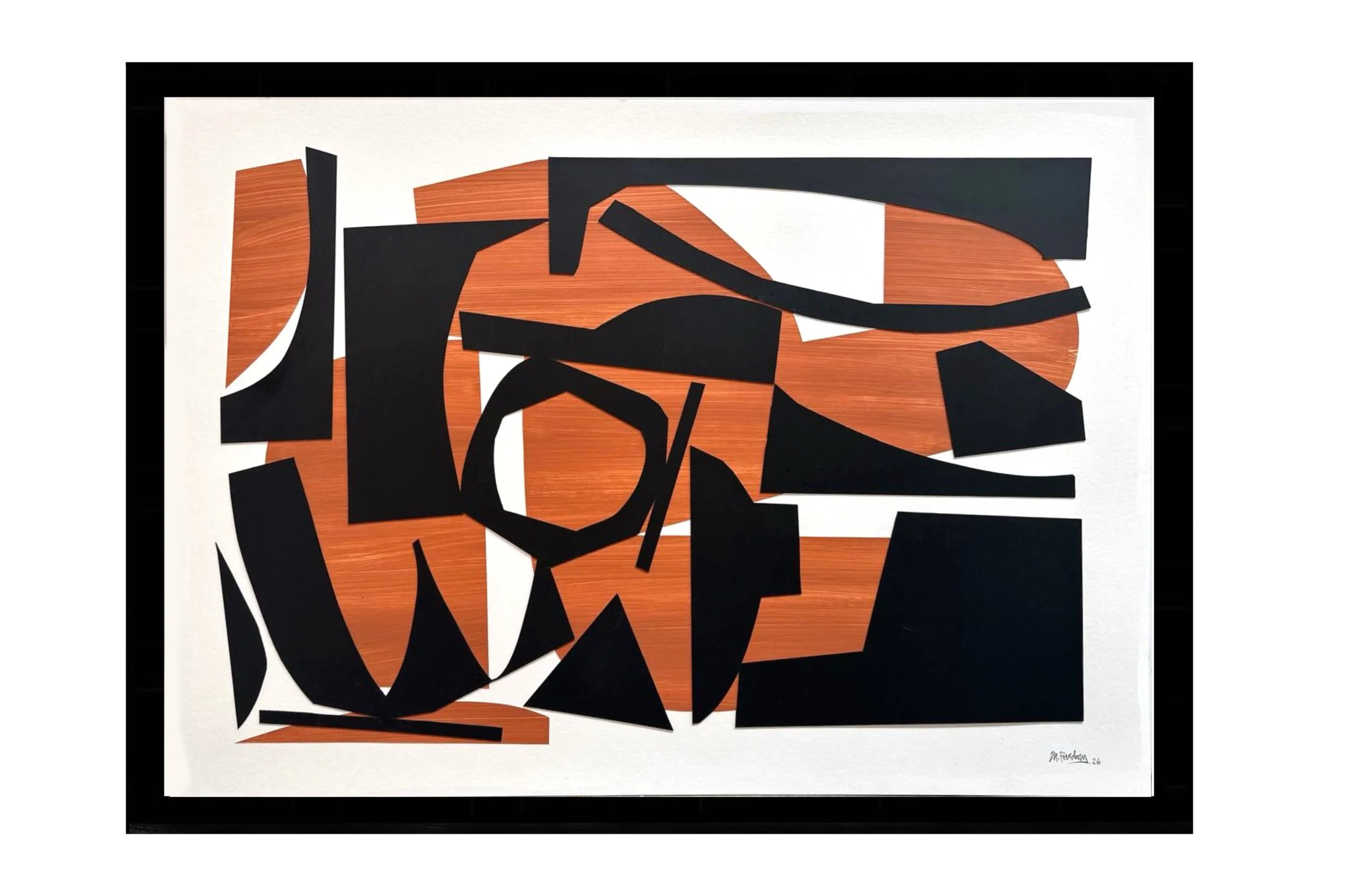
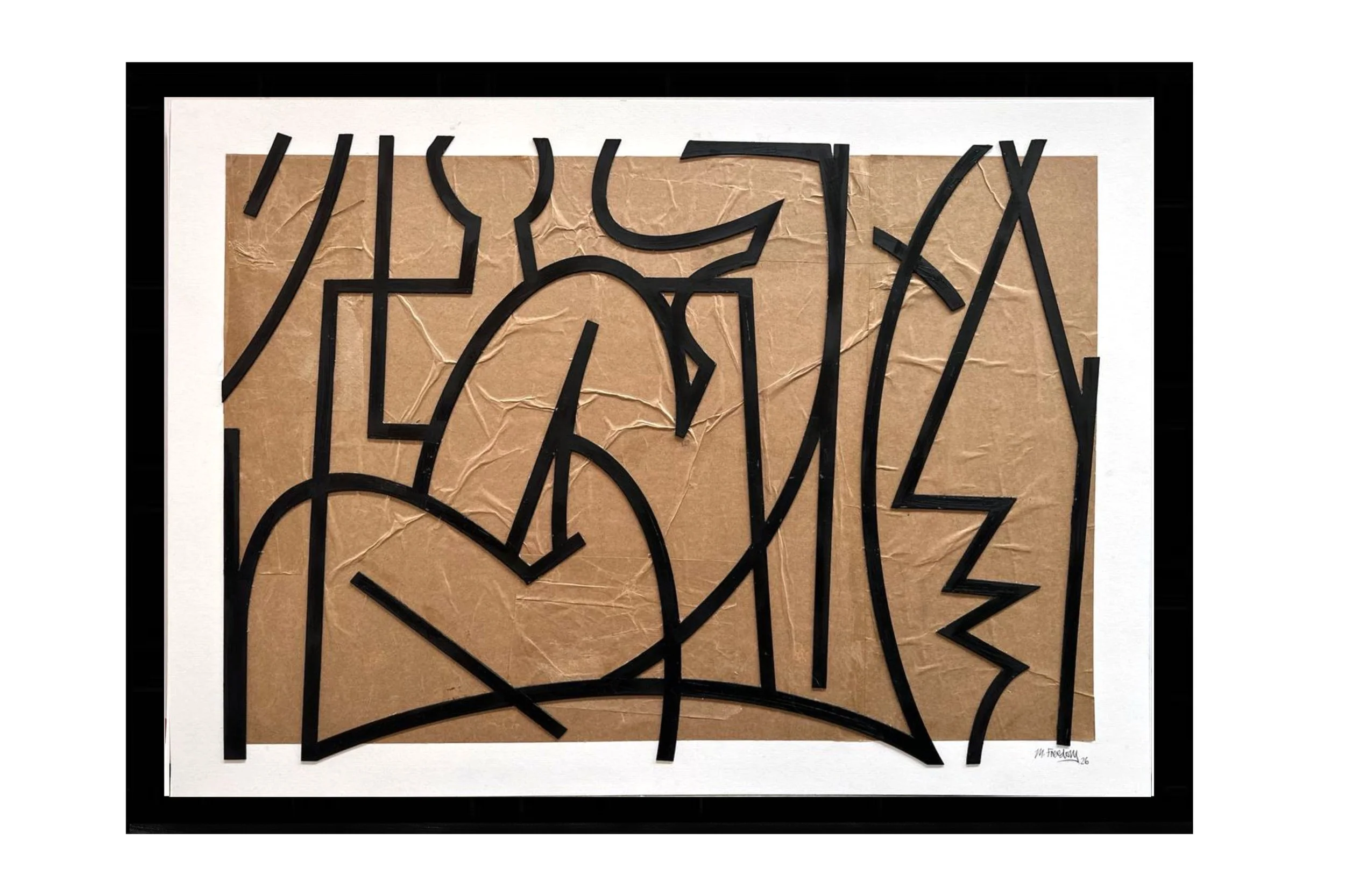
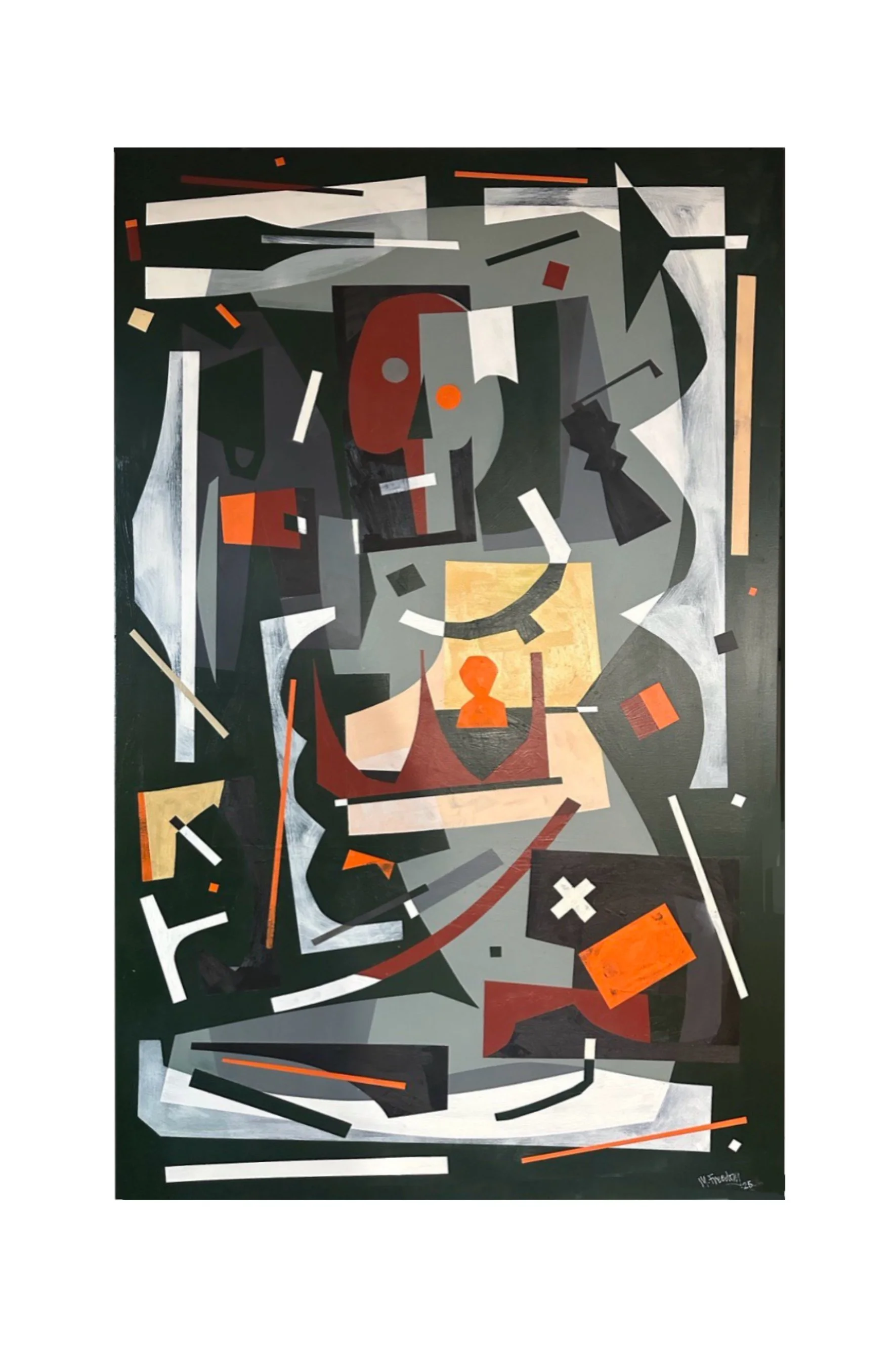
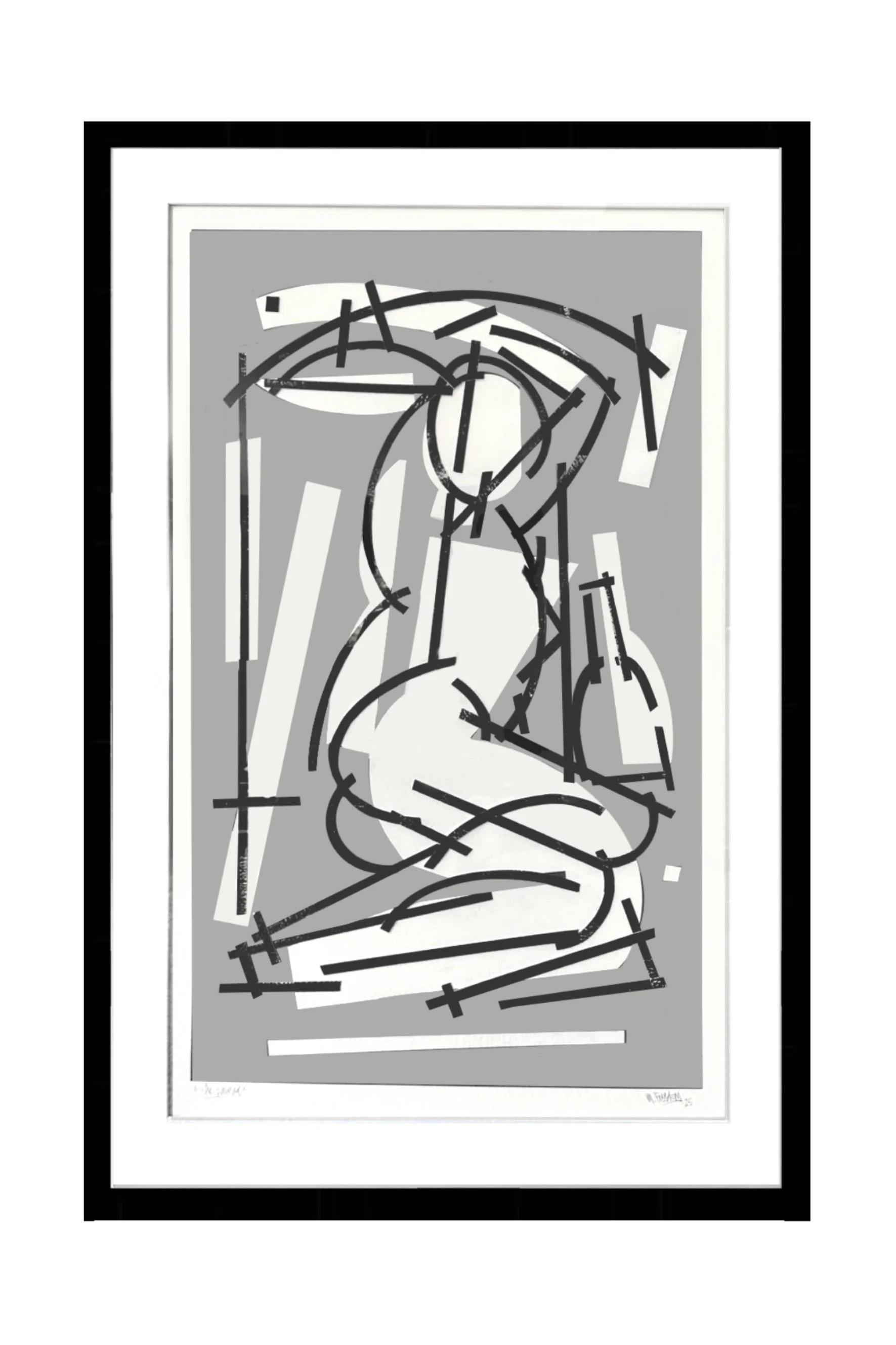
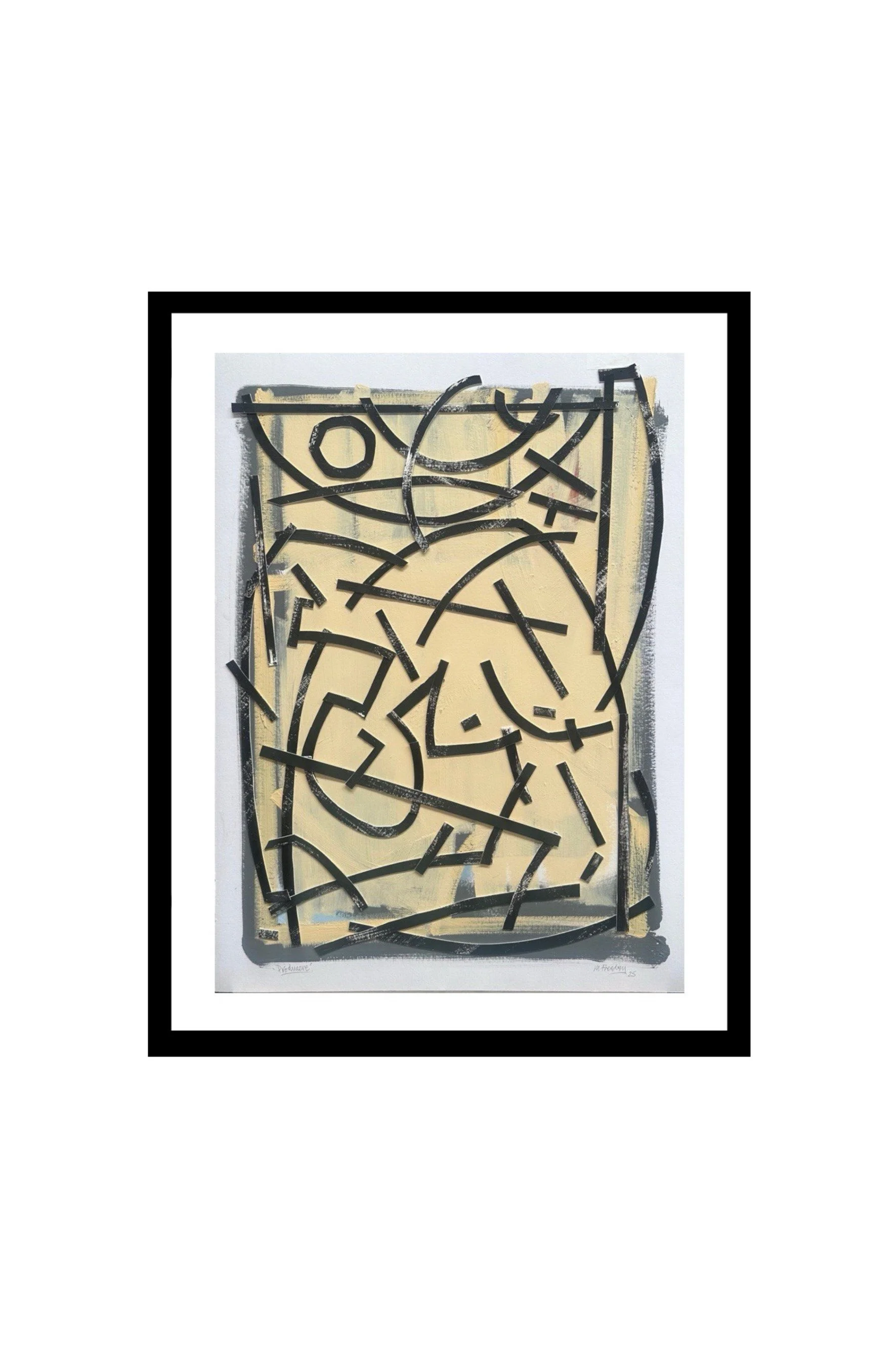
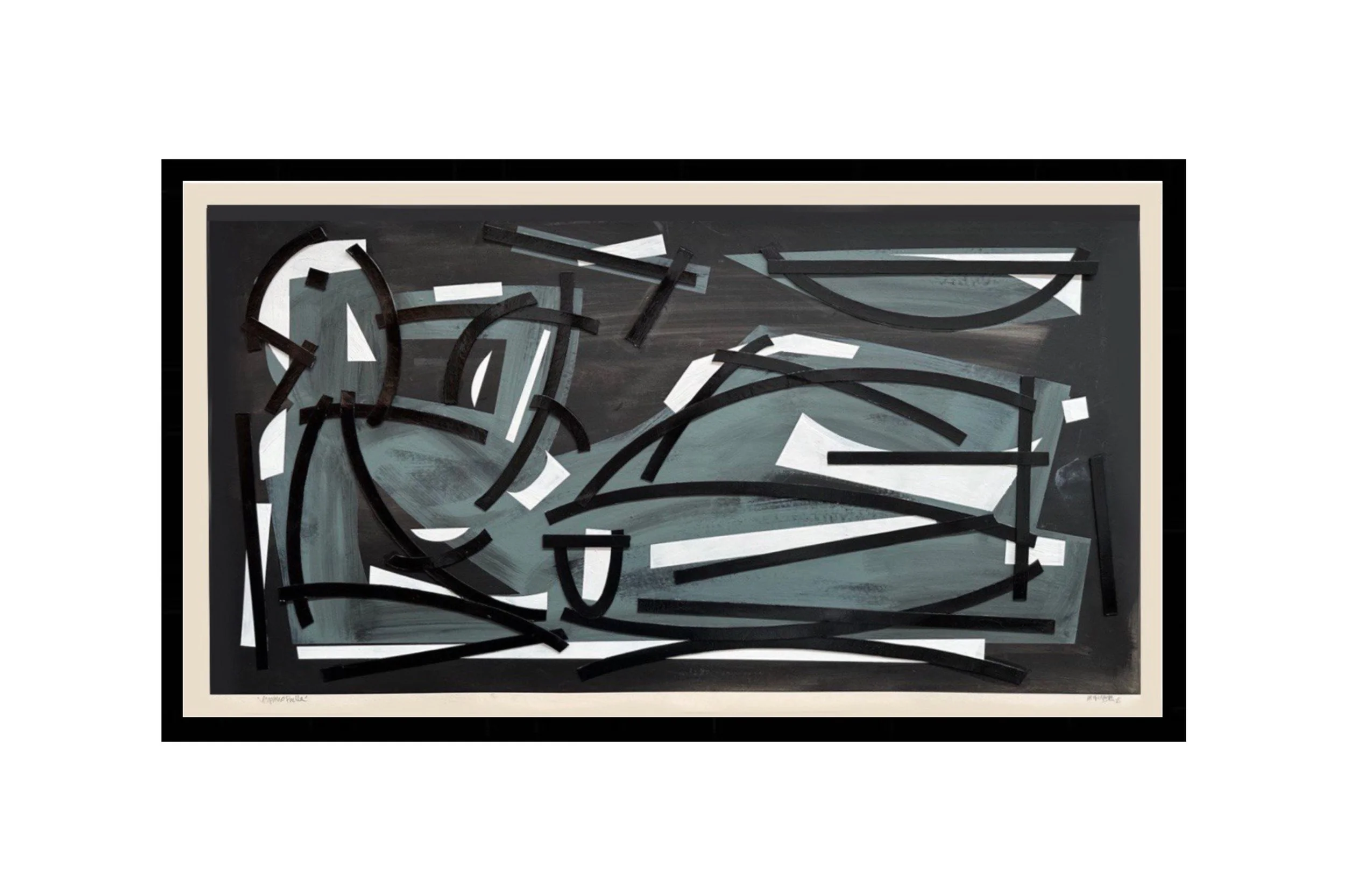
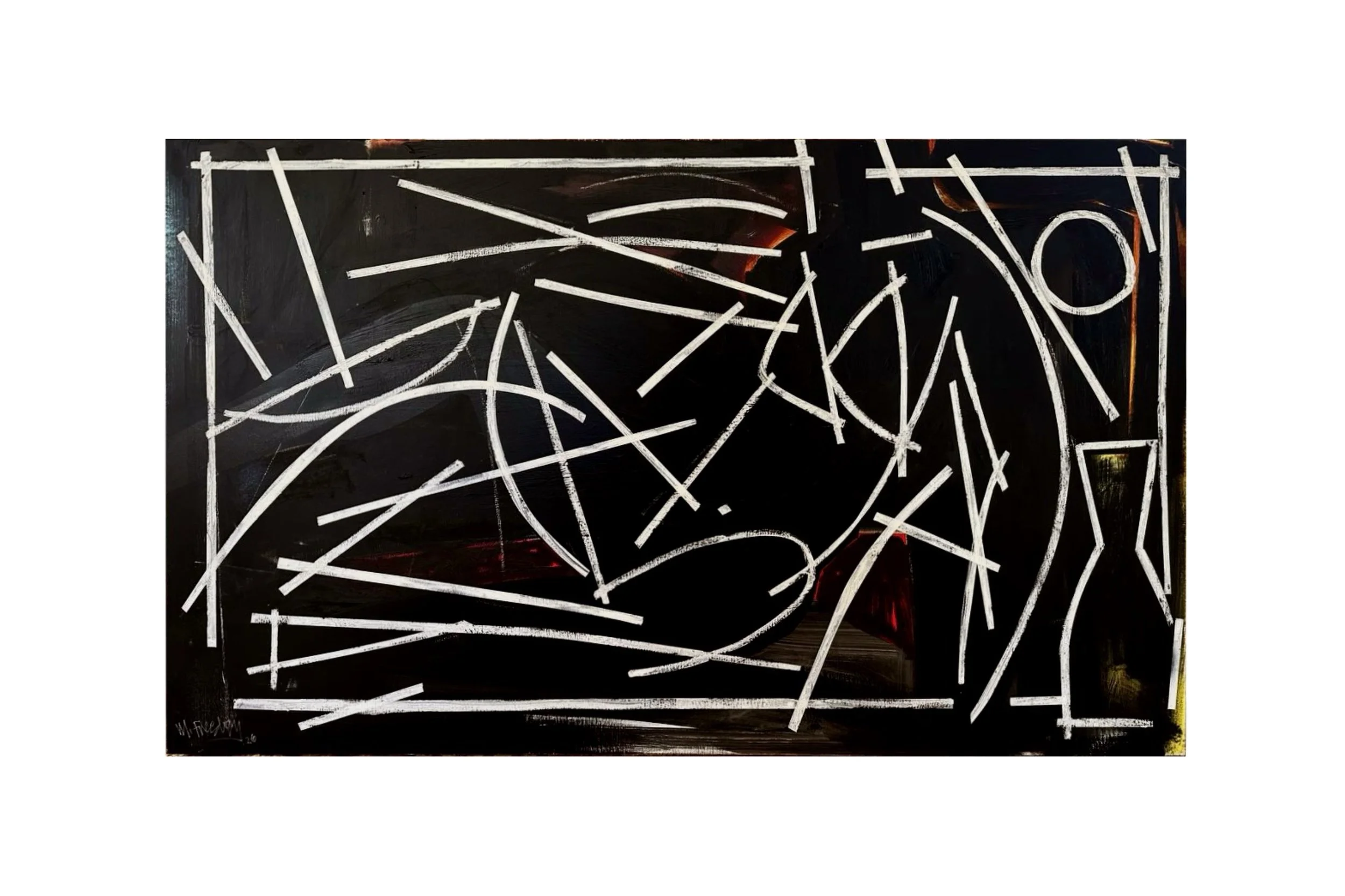
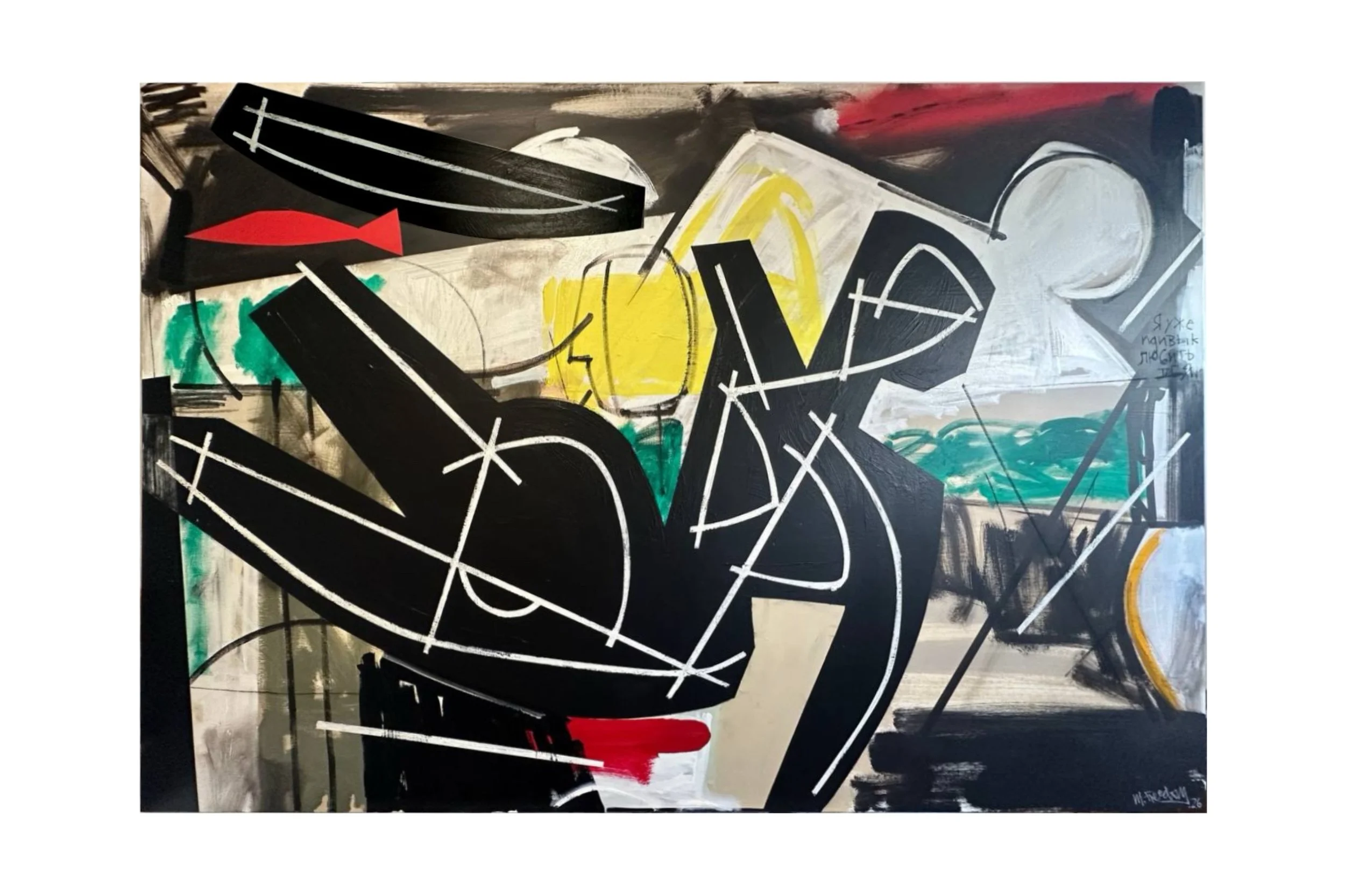
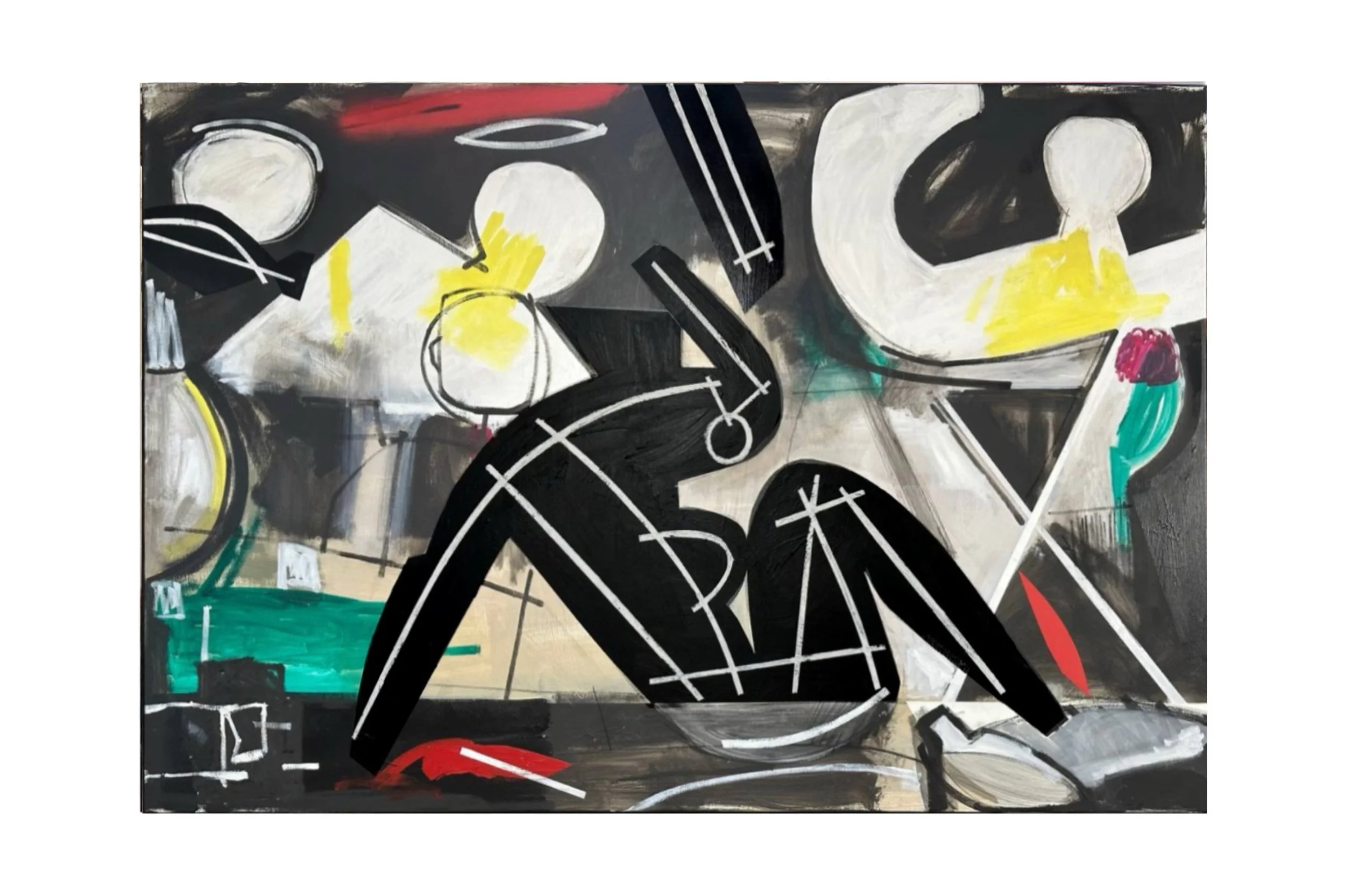
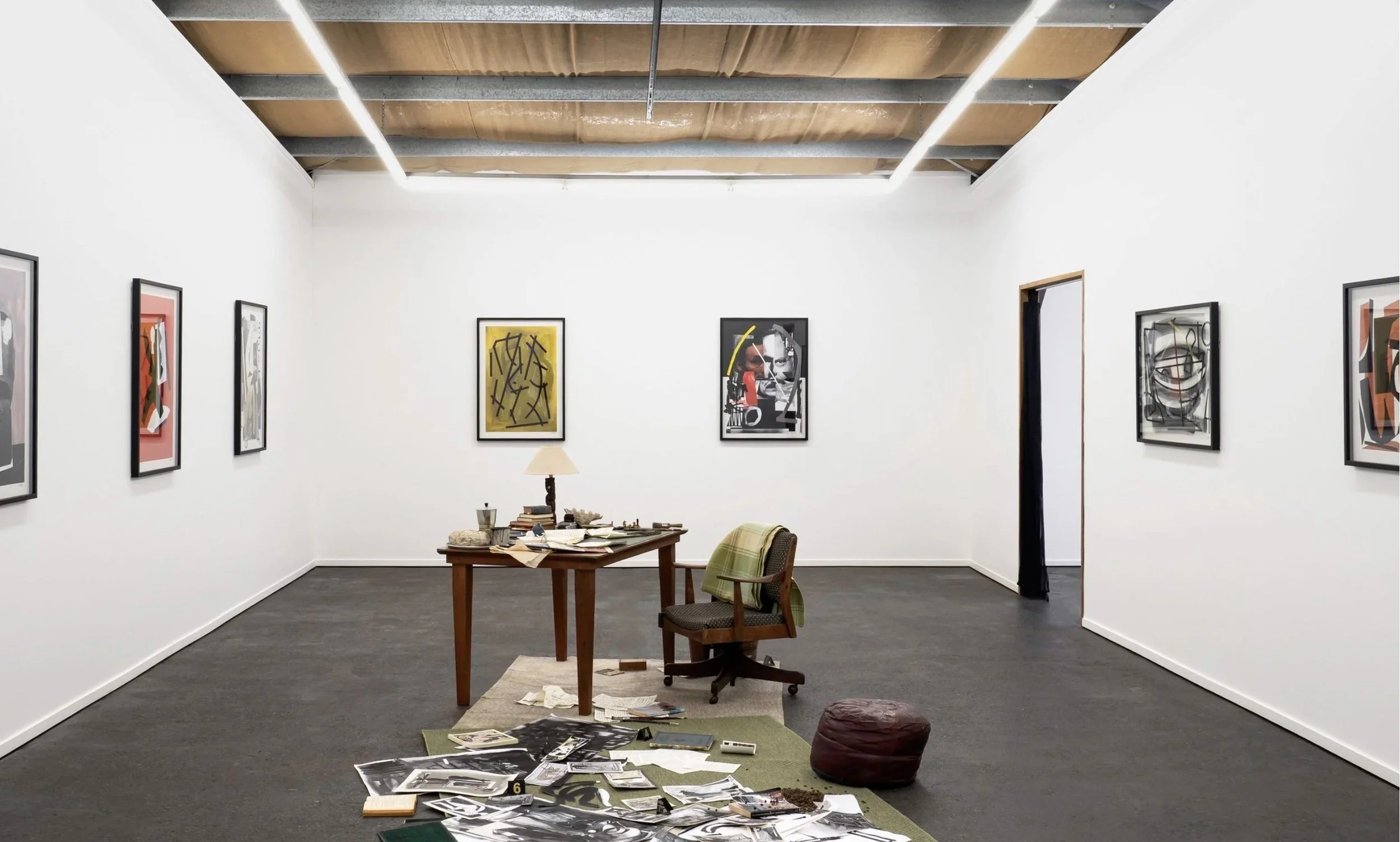
What gives Tempest its weight is not simply the work on the walls, but the decision to rupture the clean fictions of the gallery itself. For if a gallery is essentially space, such a space needs to be filled——at times, though filled wisely. The two installations found within operate less as supplements and more as disclosures—of process, of memory, of the artist’s own accumulated weather, so to speak.
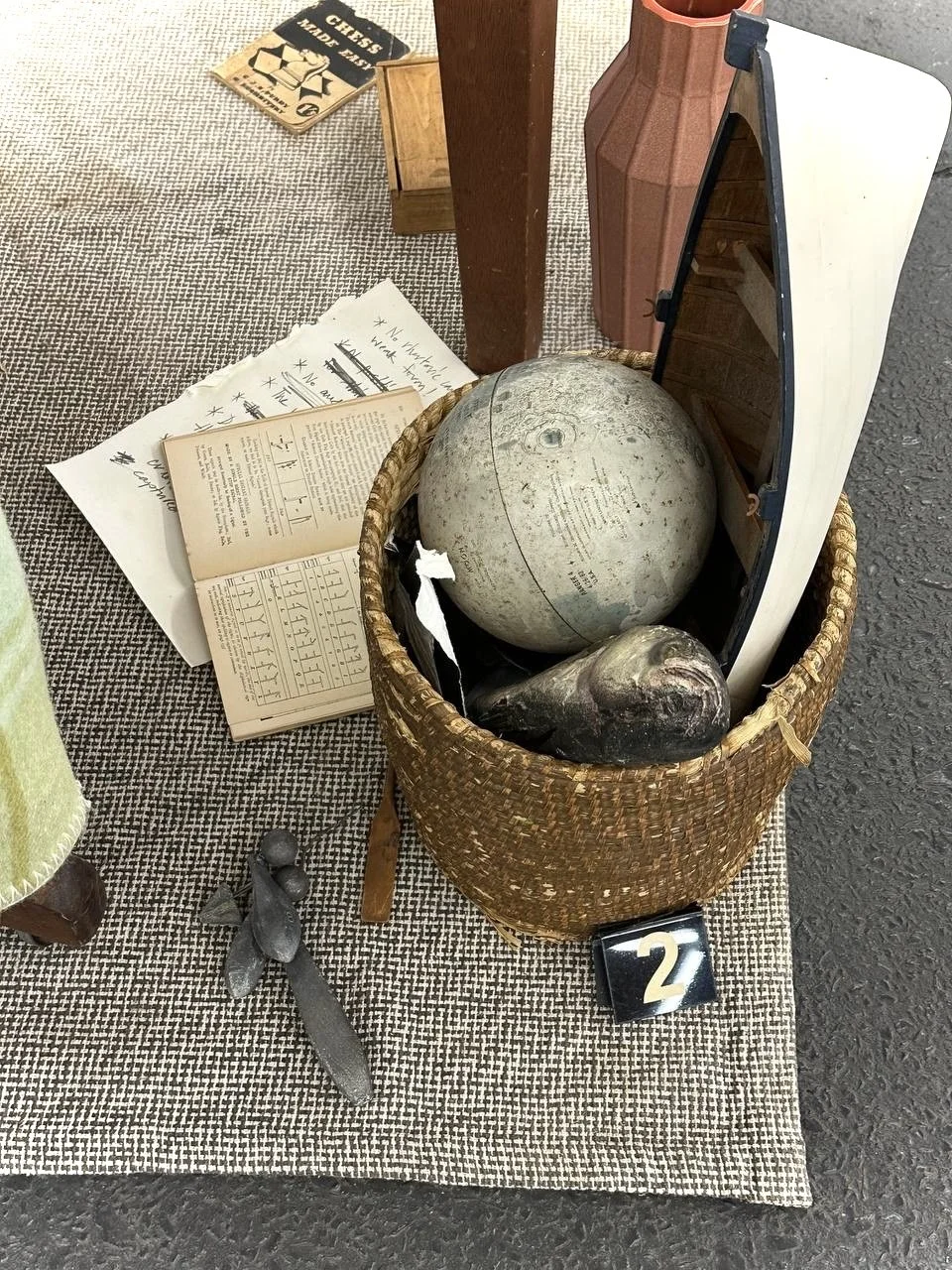
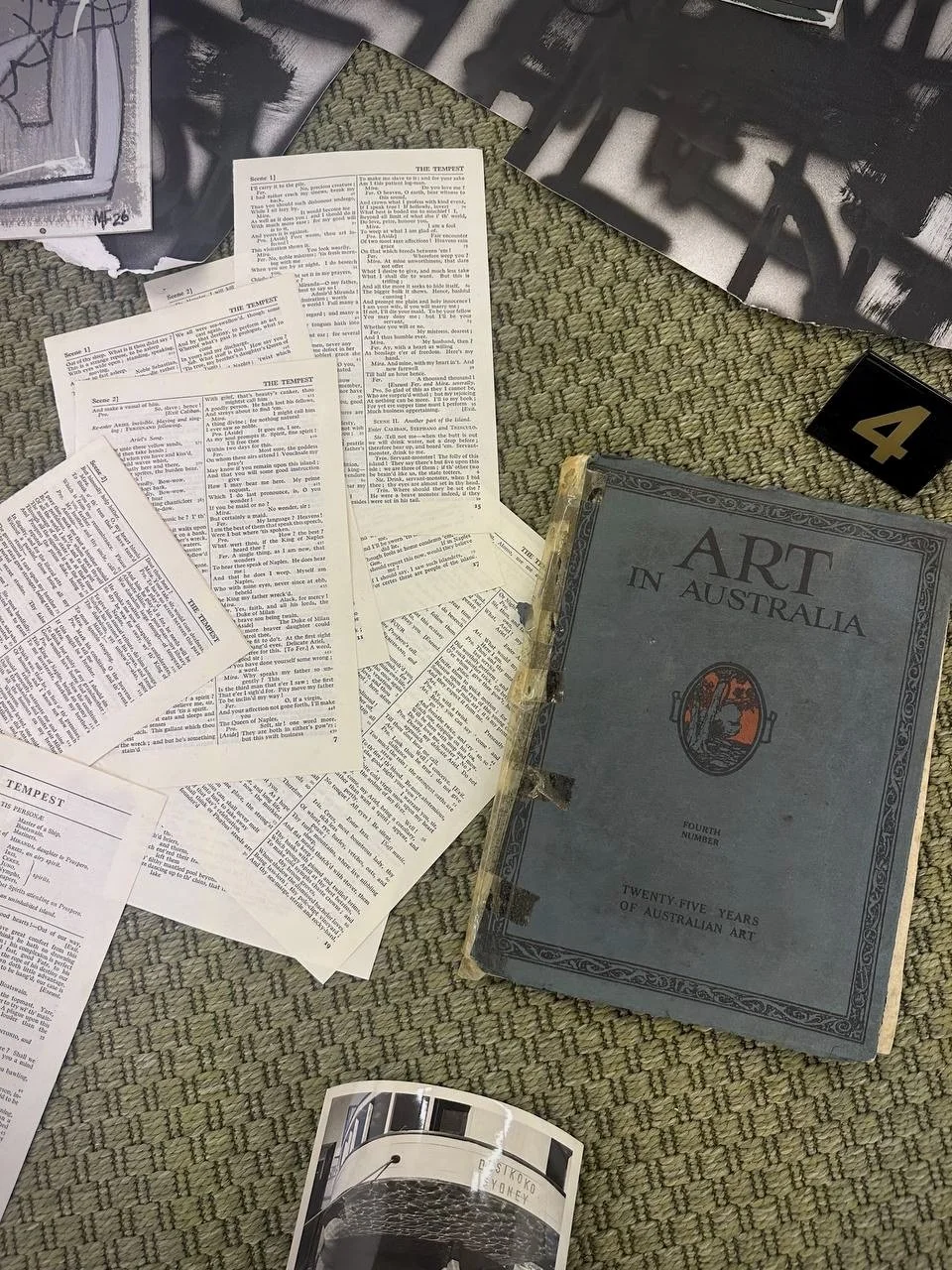
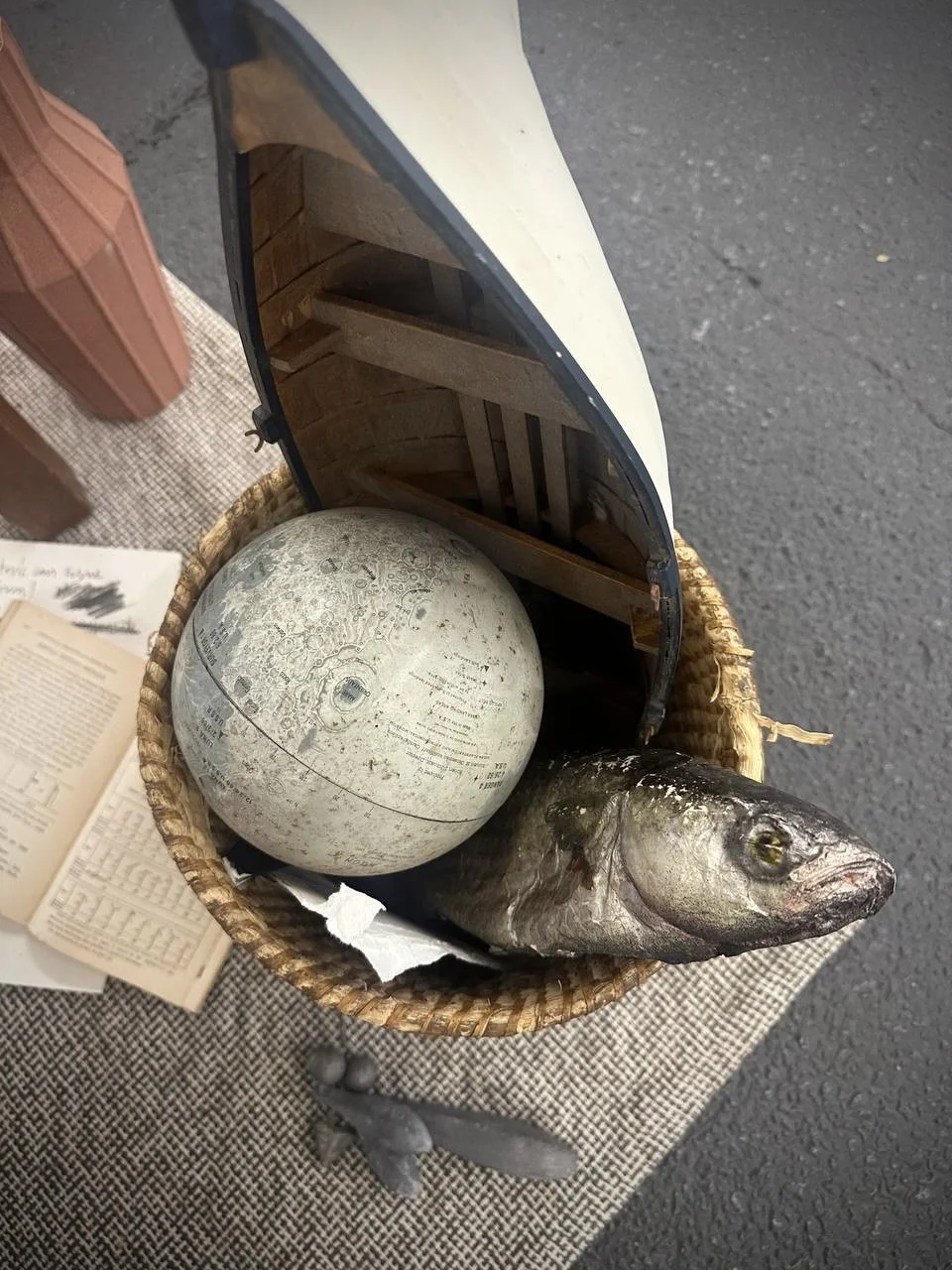
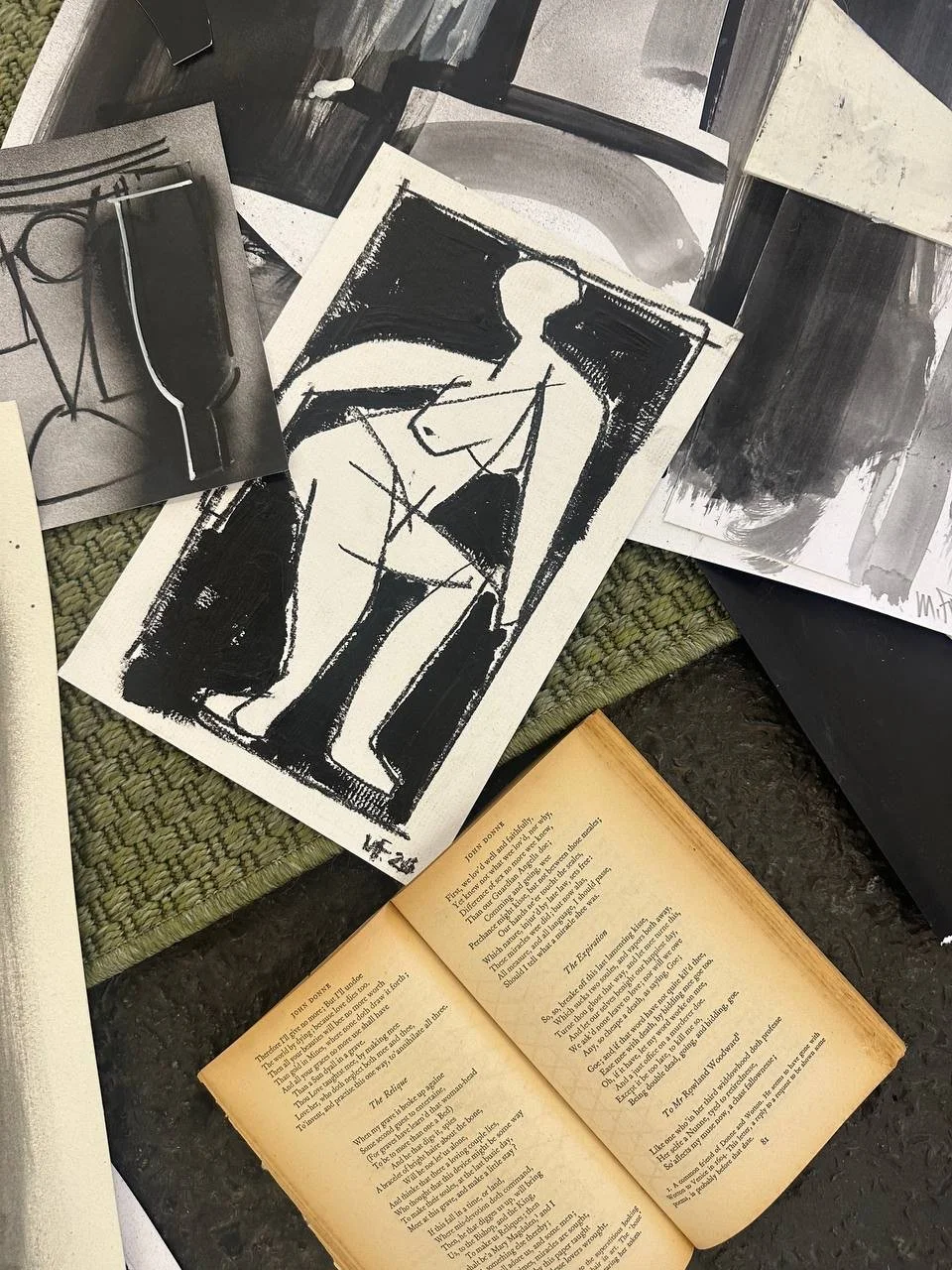
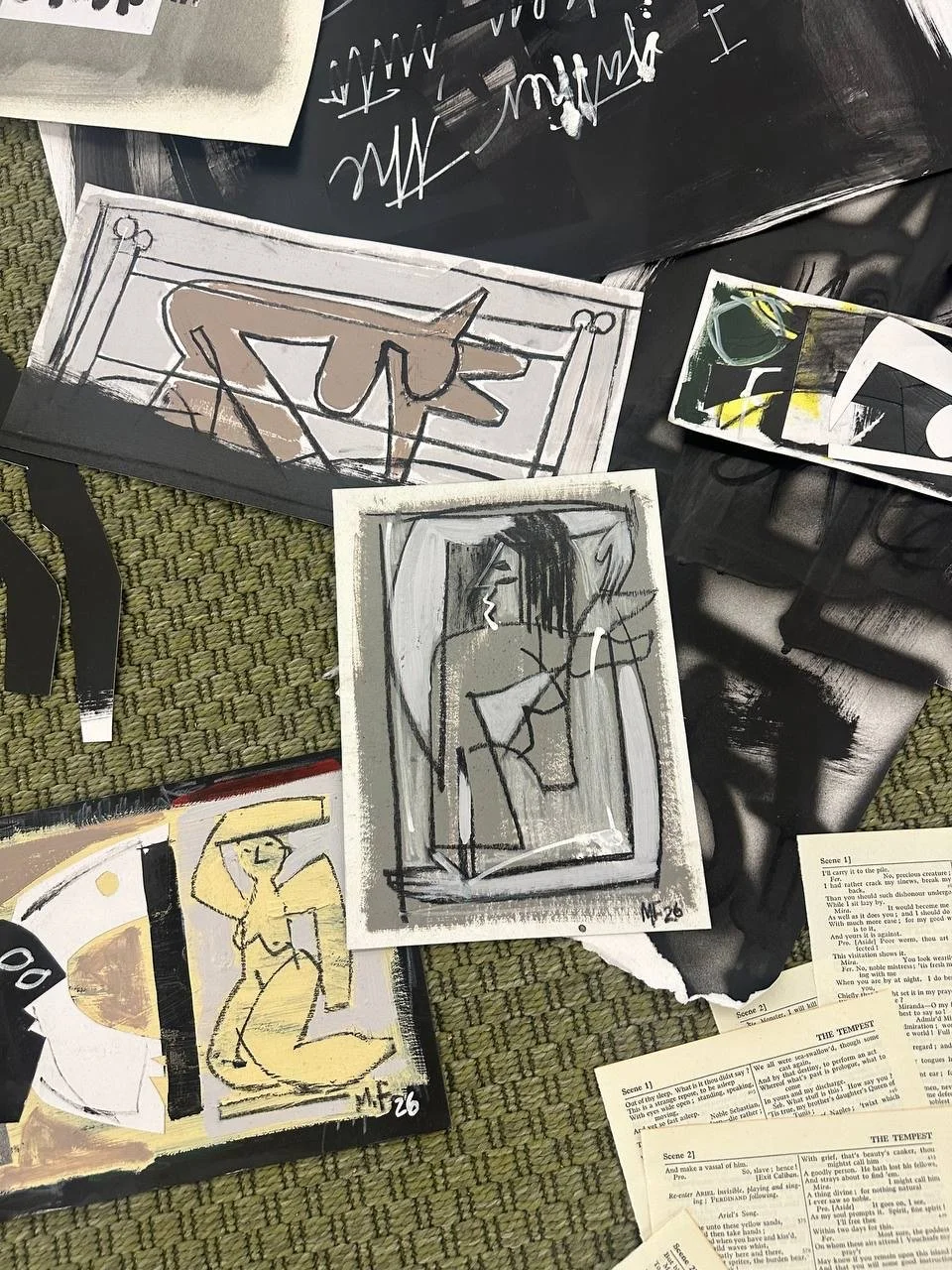
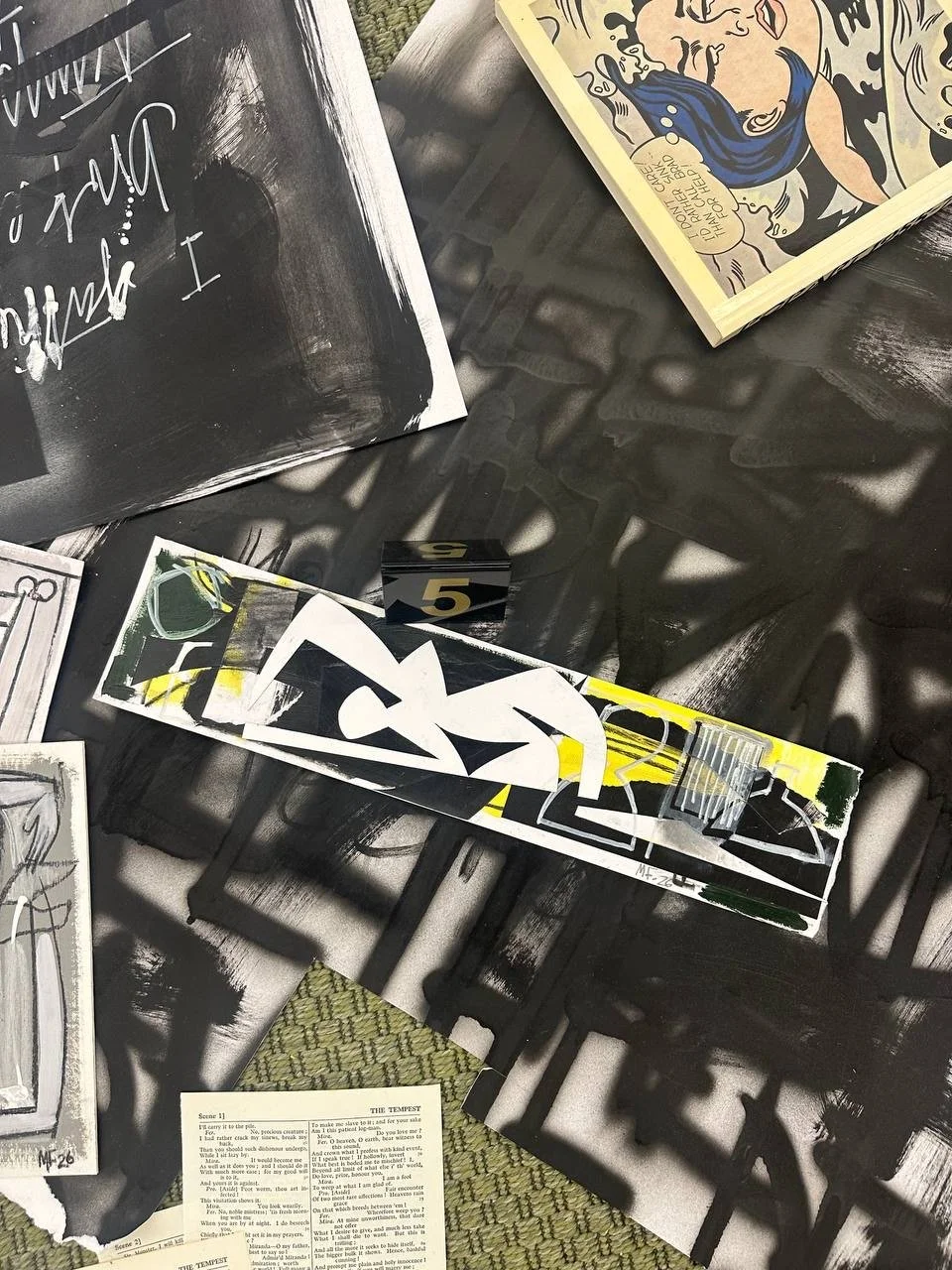
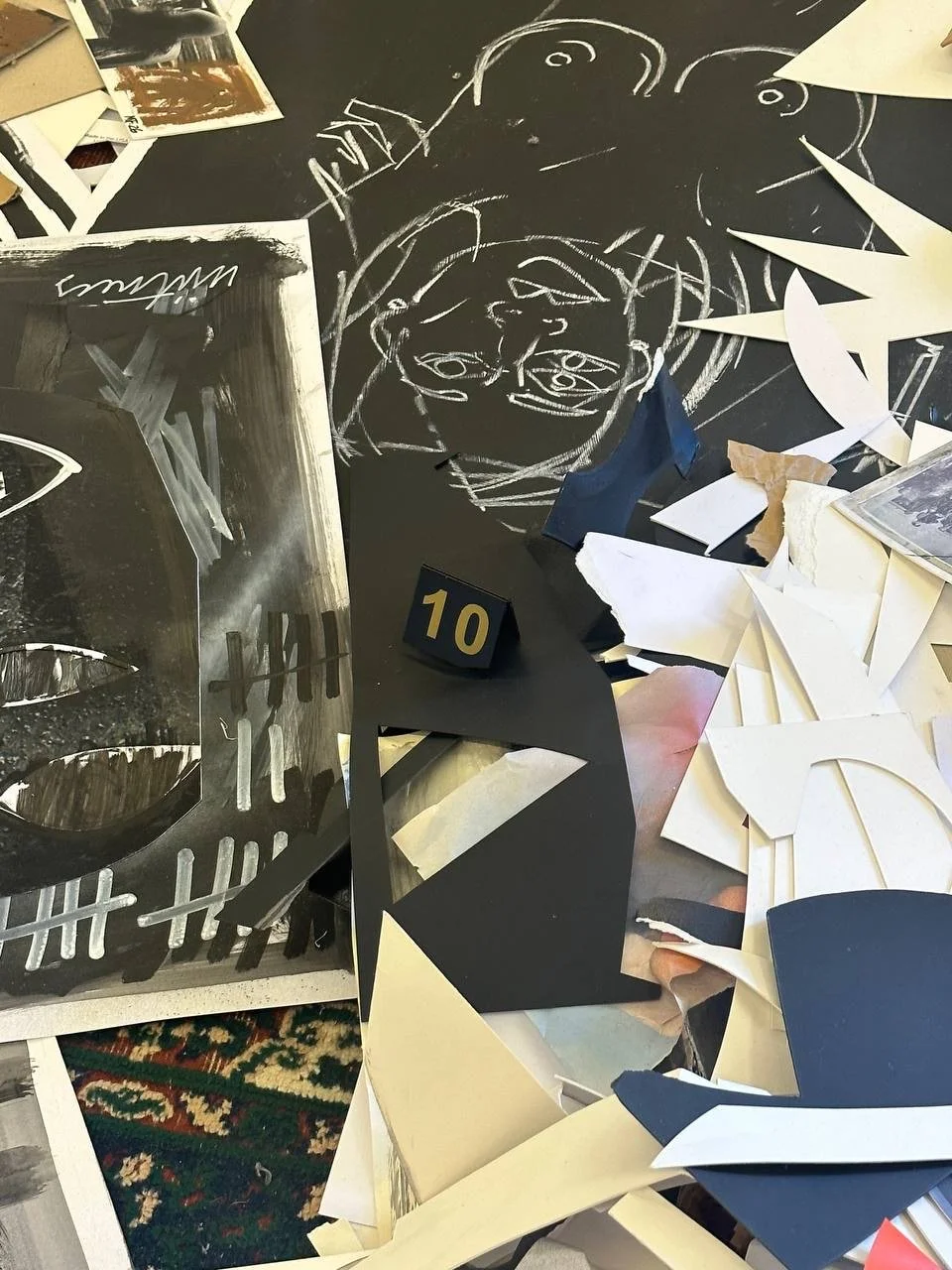
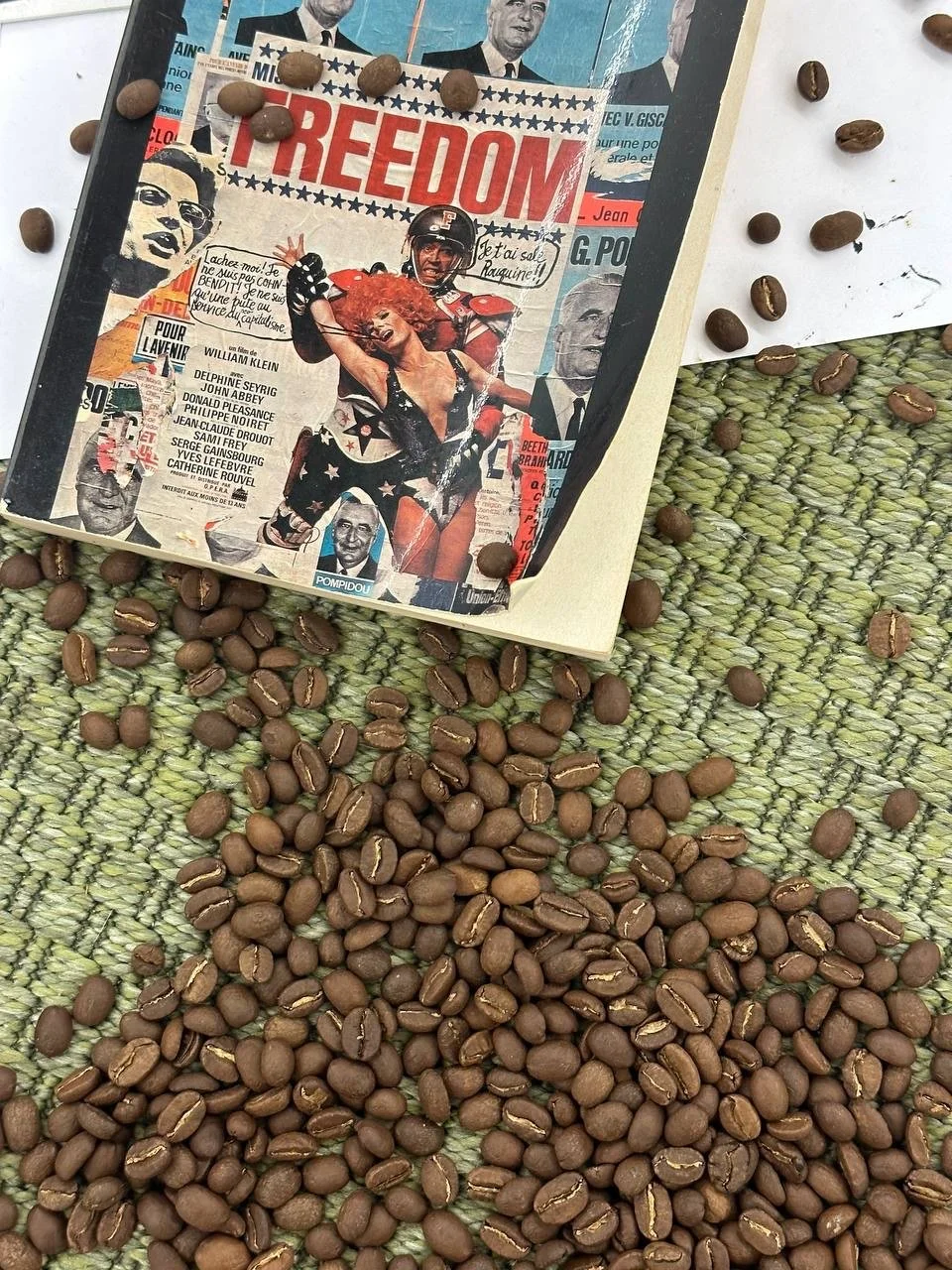
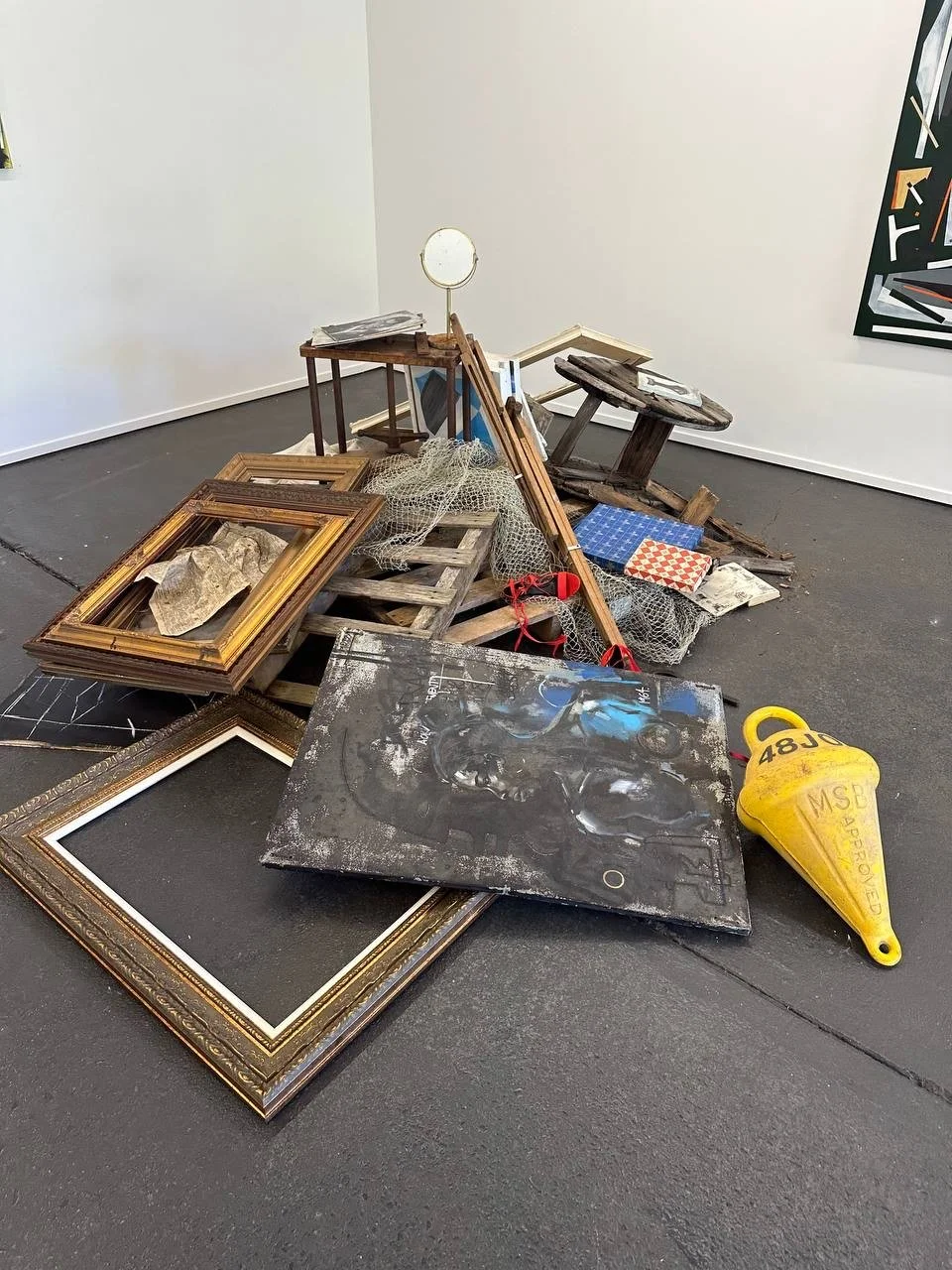
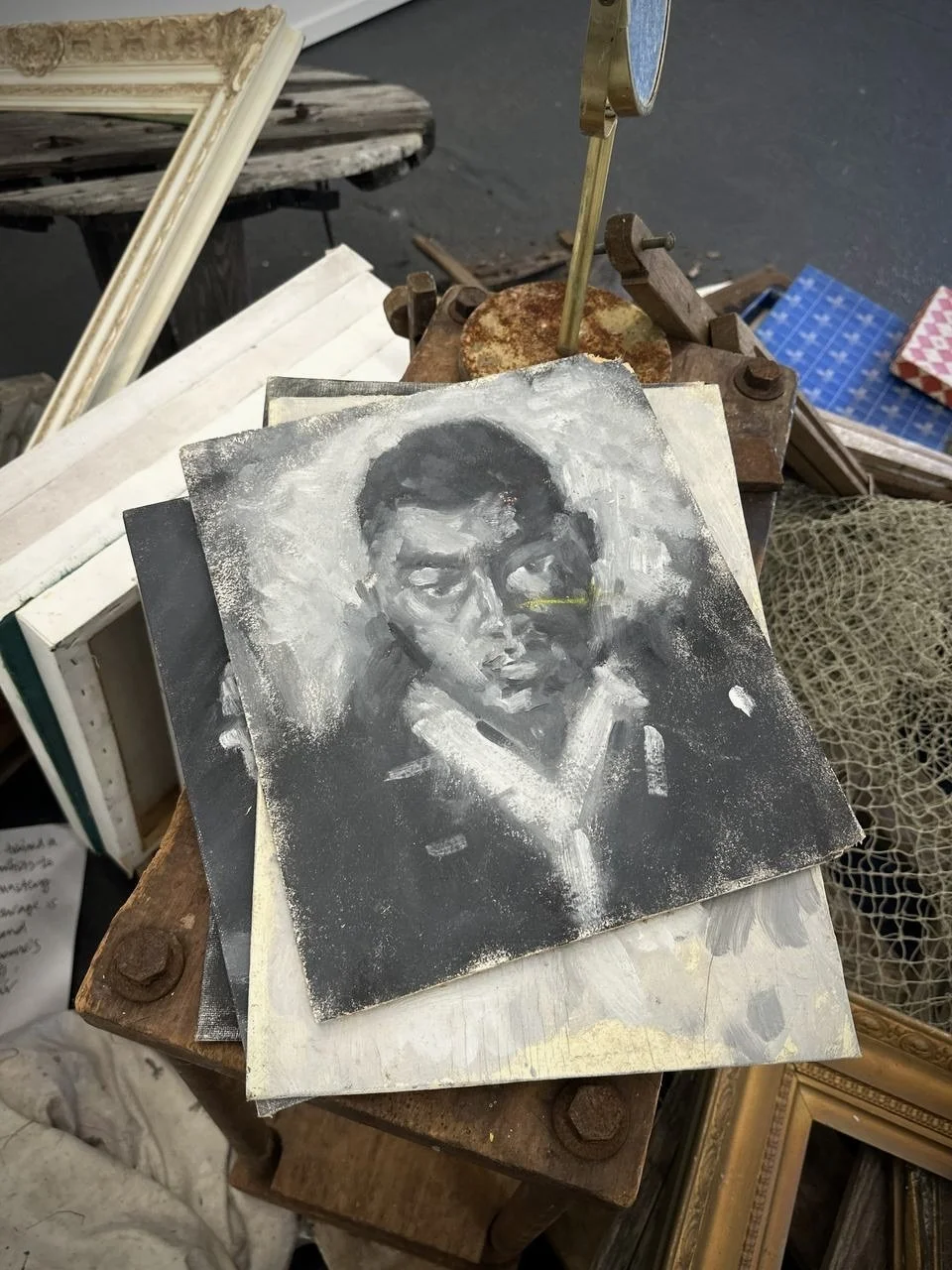
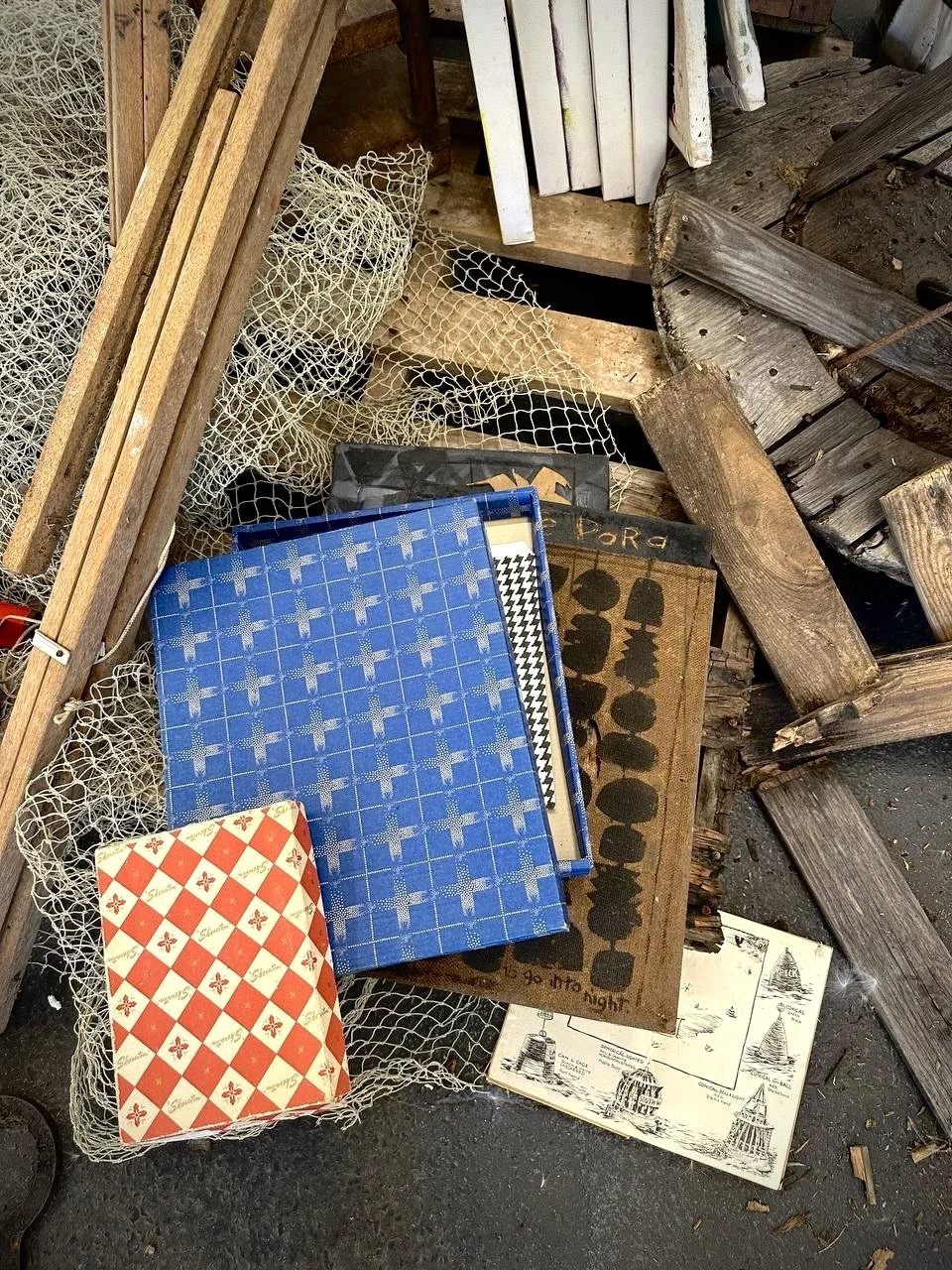
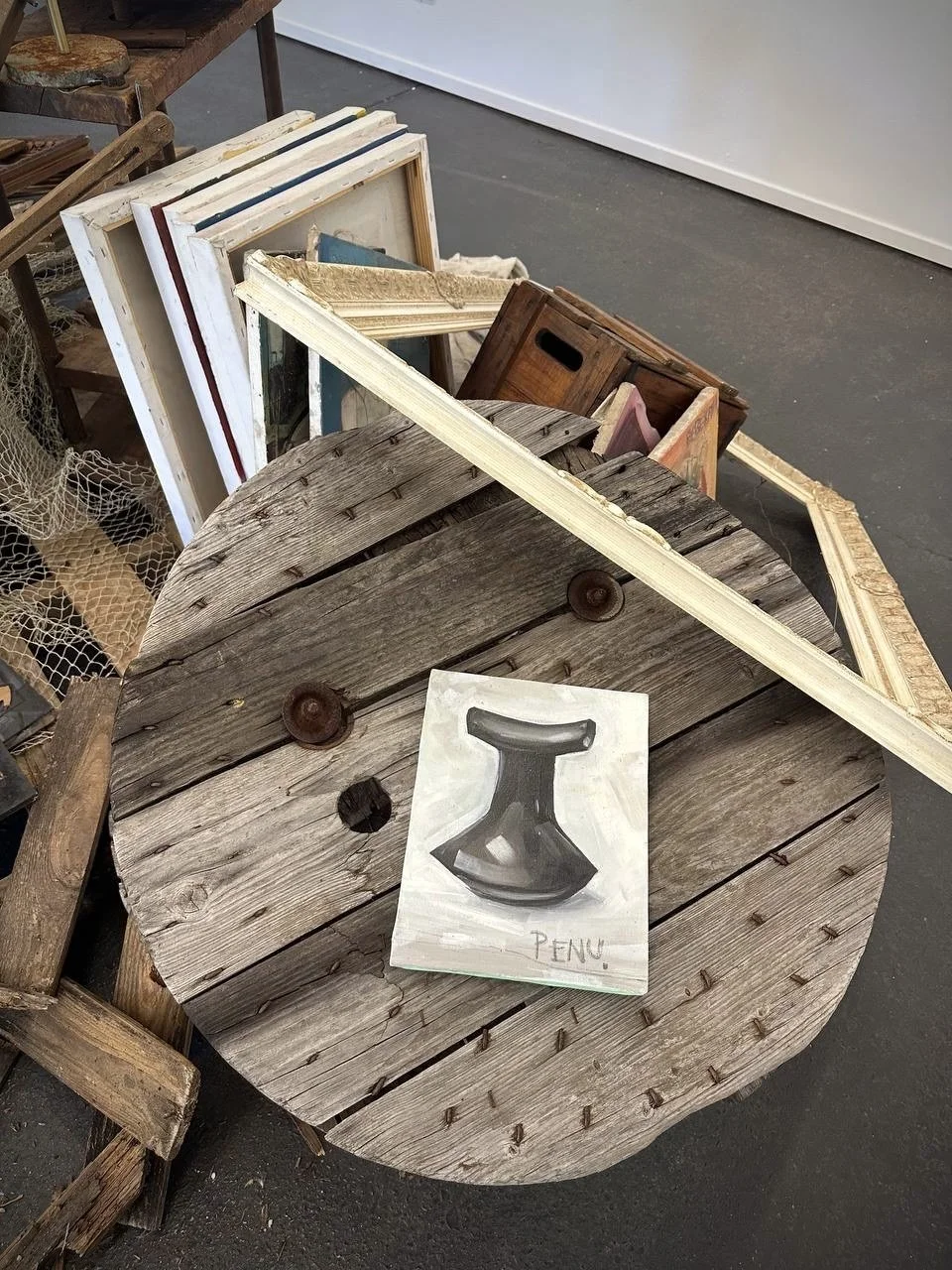
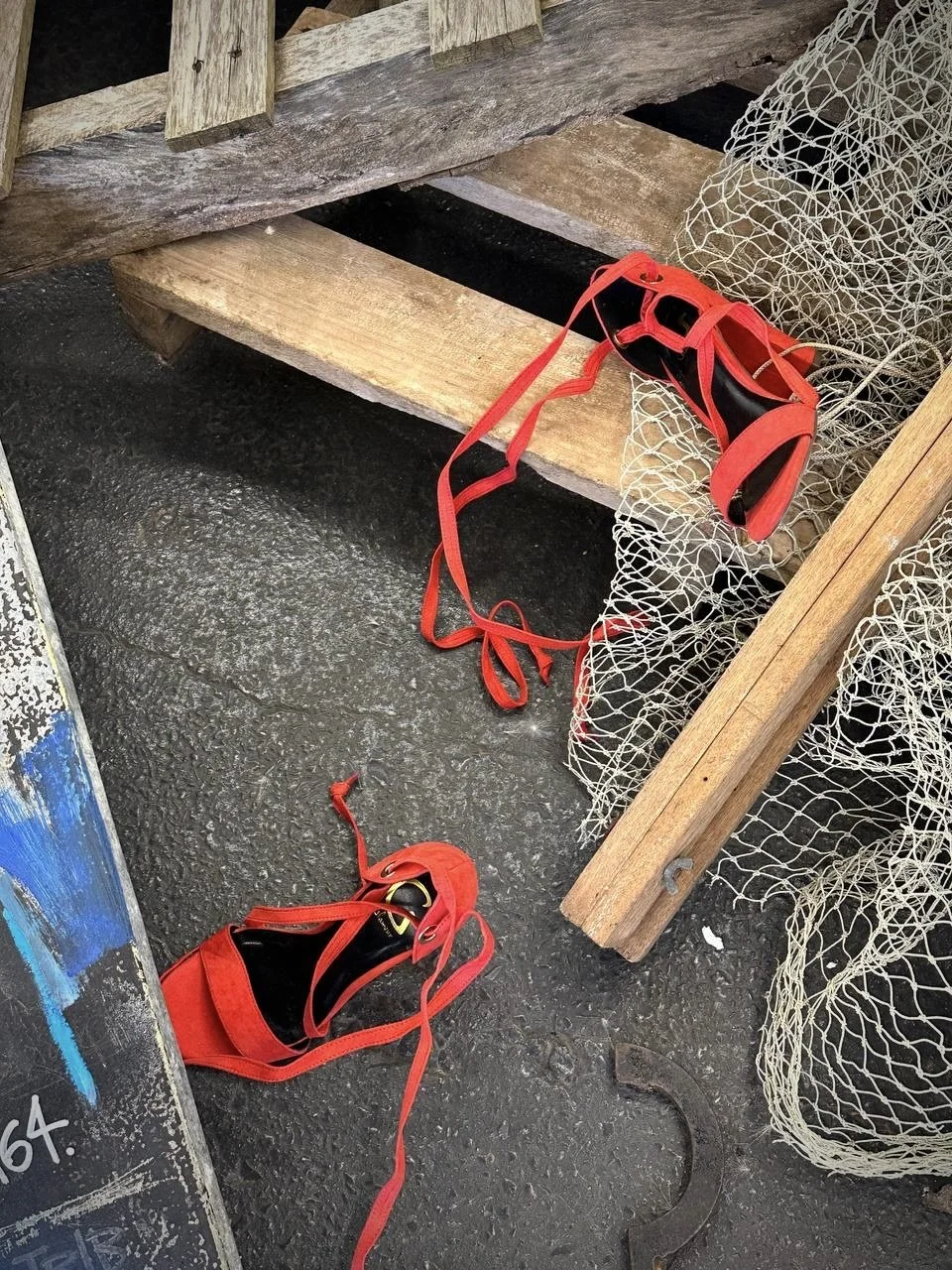
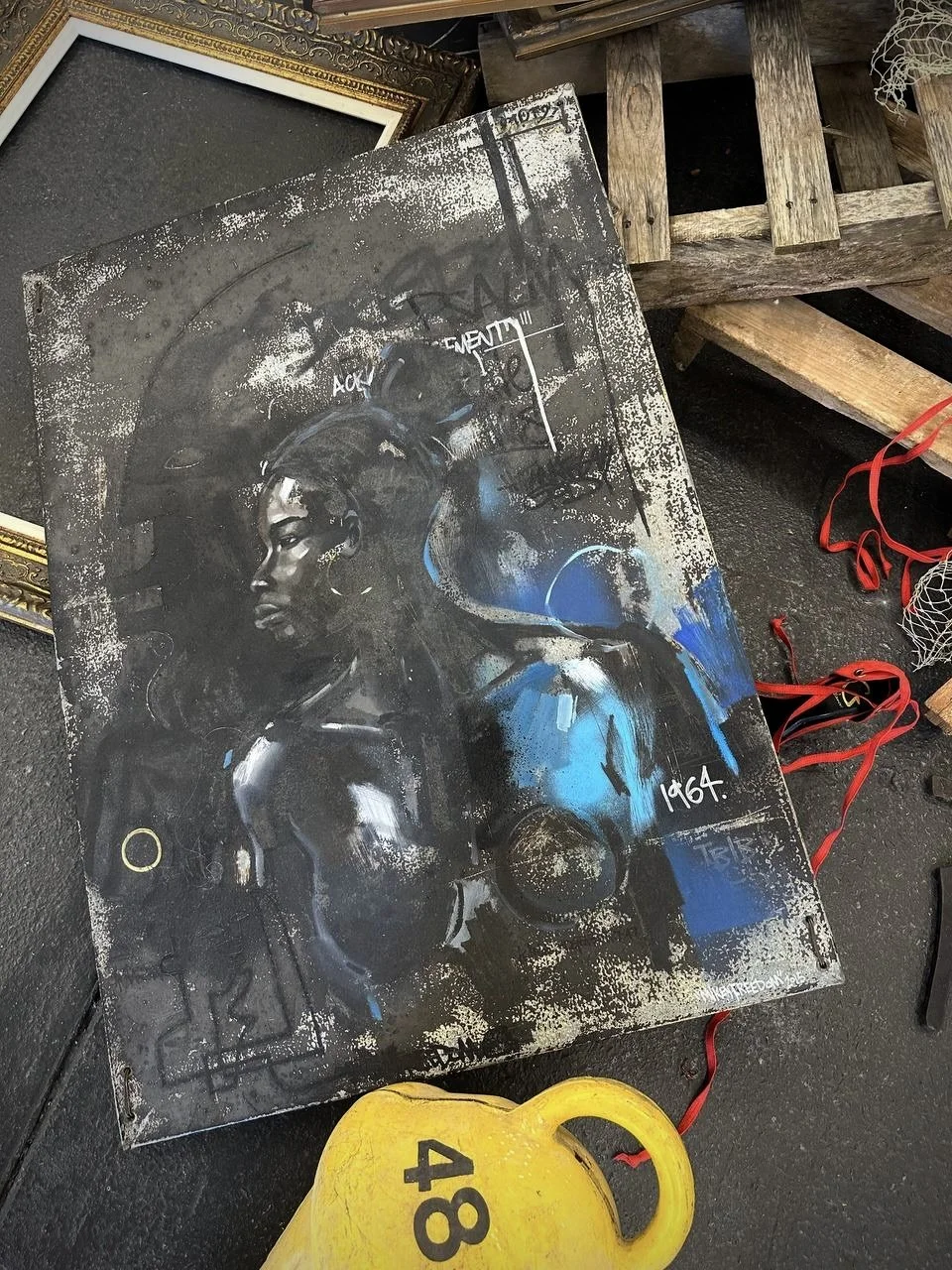
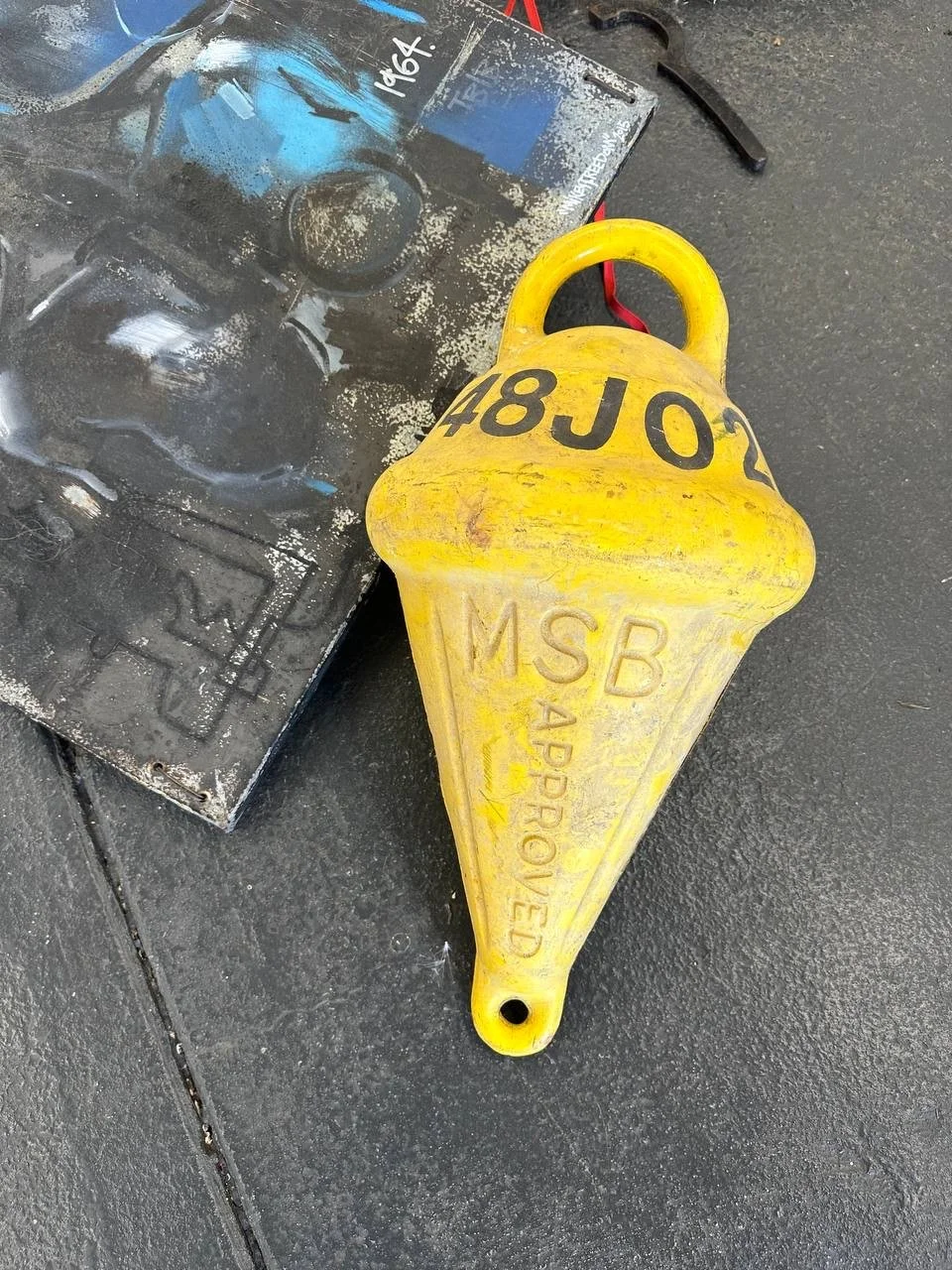
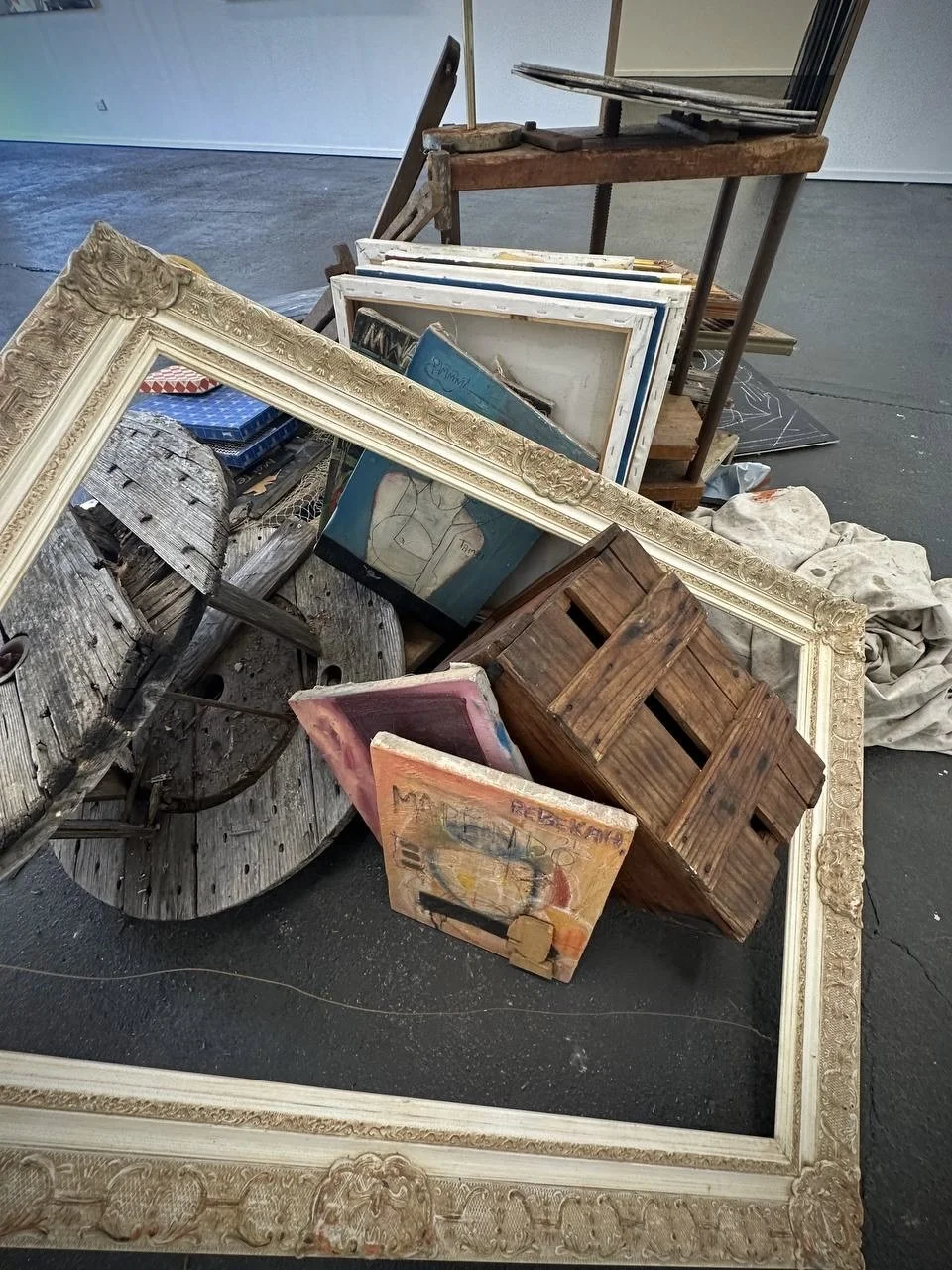
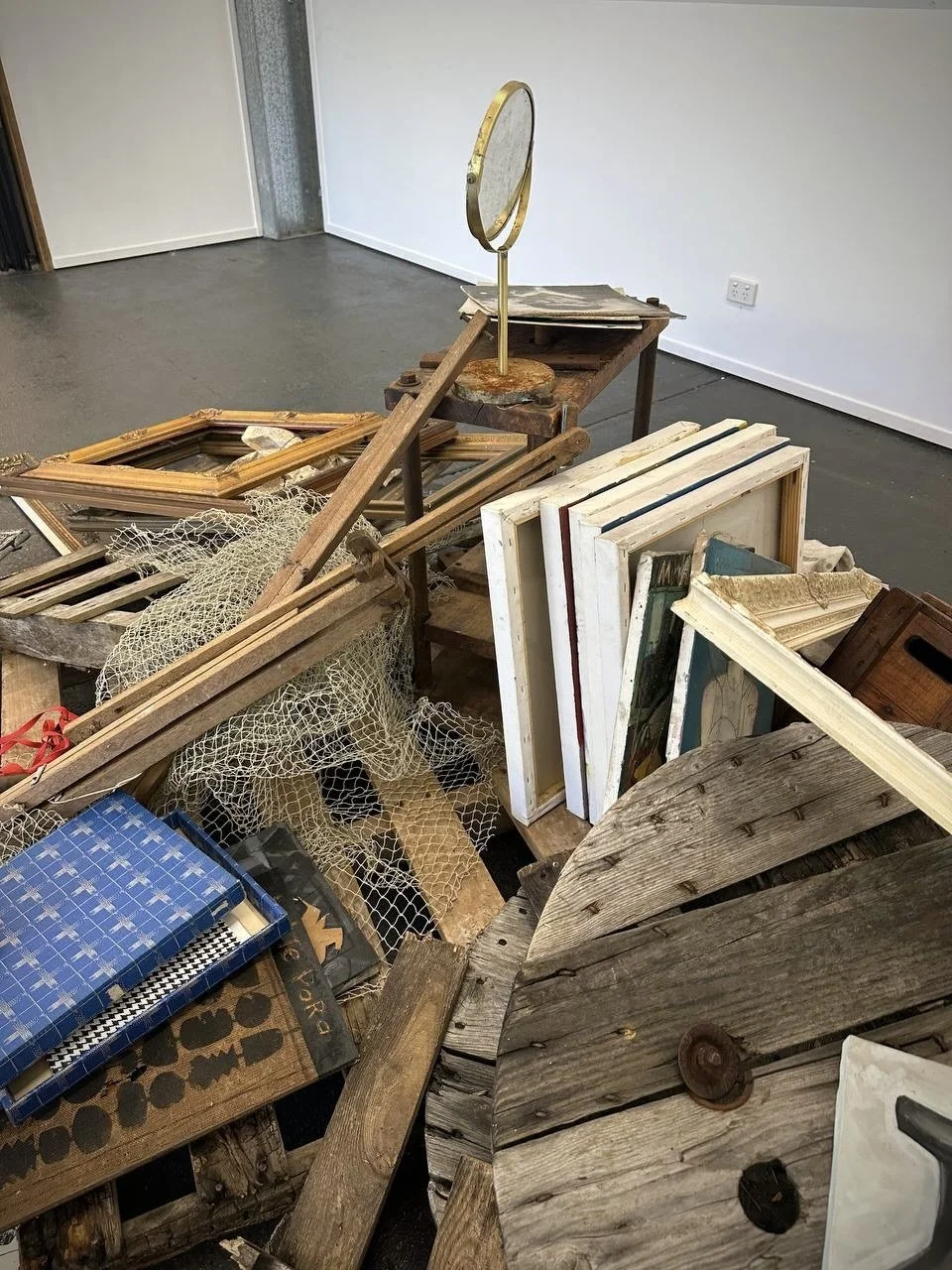
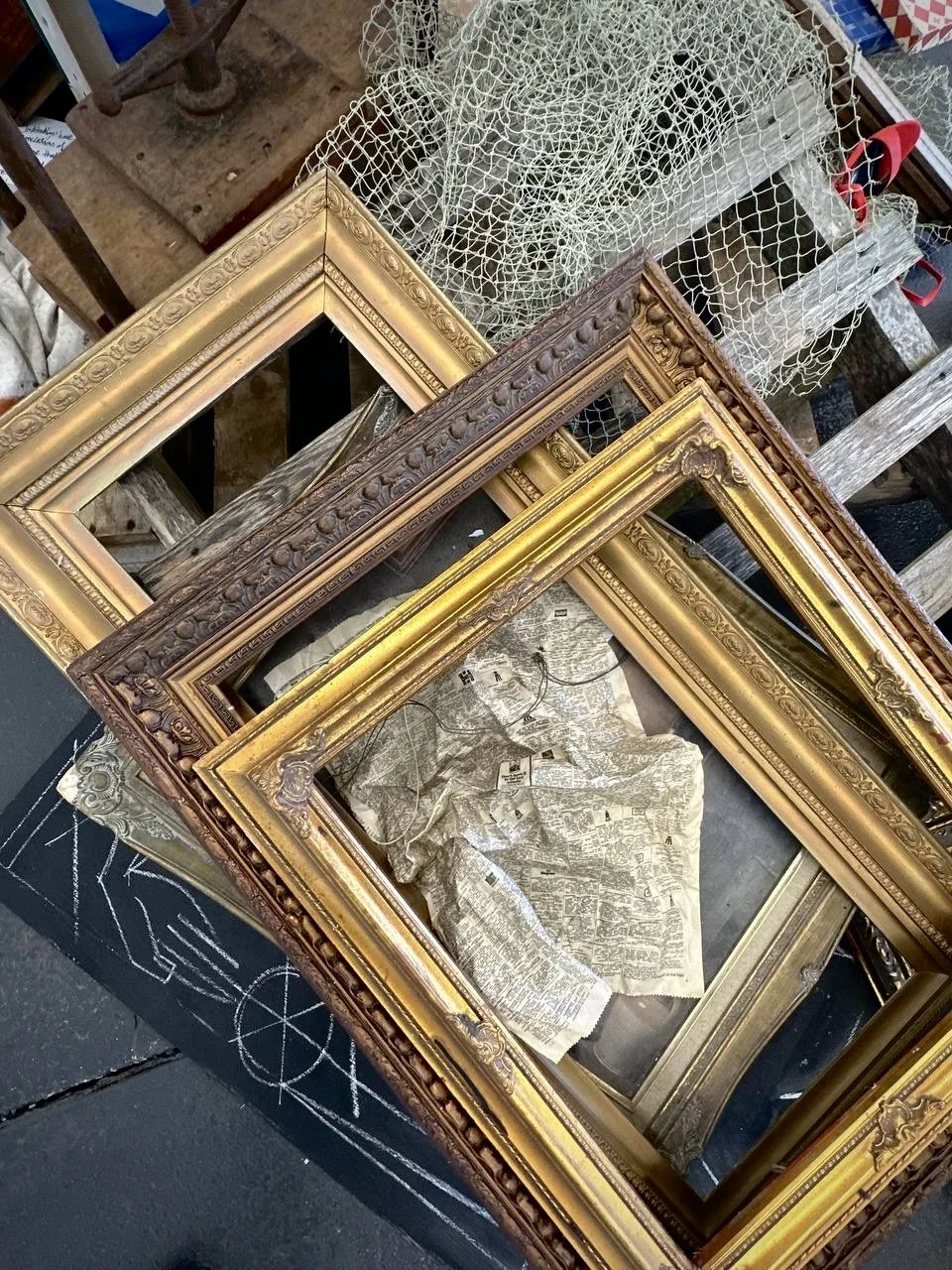
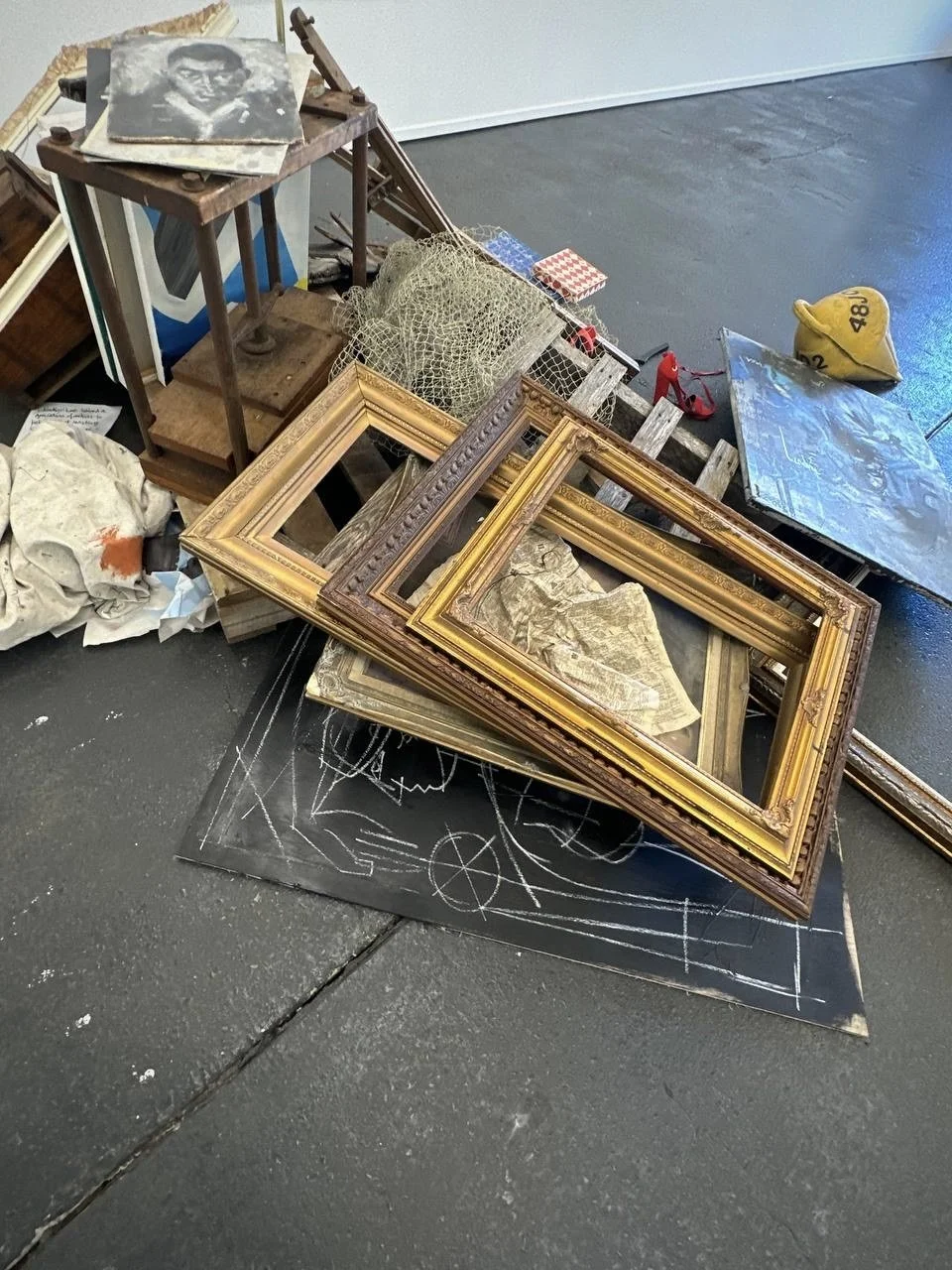
The first, built around the idea of The Tempest shipwreck, avoids the obvious theatrics of illustration and instead leans into something more materially convincing: debris. Here, the past is not narrated, it is scattered. Fragments of earlier works—frames, canvases, remnants—are cast up like flotsam and jetsam, not arranged with curatorial neatness but left in a state of temporary rest, as though the tide has only just withdrawn. It is a quietly forceful gesture. Rather than presenting a career as a sequence of resolved statements, the artist shows it as accumulation, erosion, and survival. The installation resists nostalgia; it does not sentimentalise the past but exposes it as something broken down and re-encountered. In doing so, it grants the exhibition a temporal depth that painting alone rarely achieves.
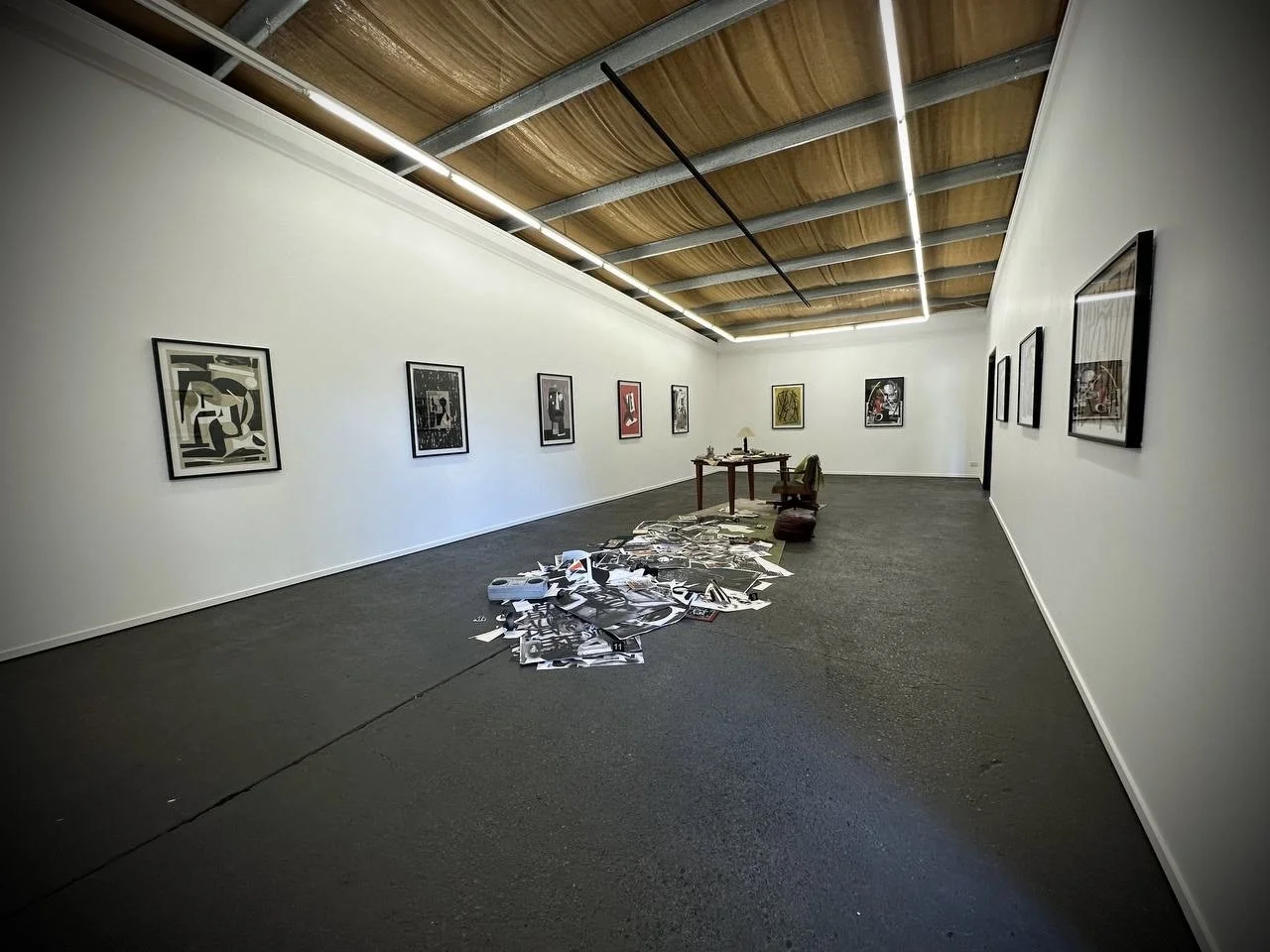
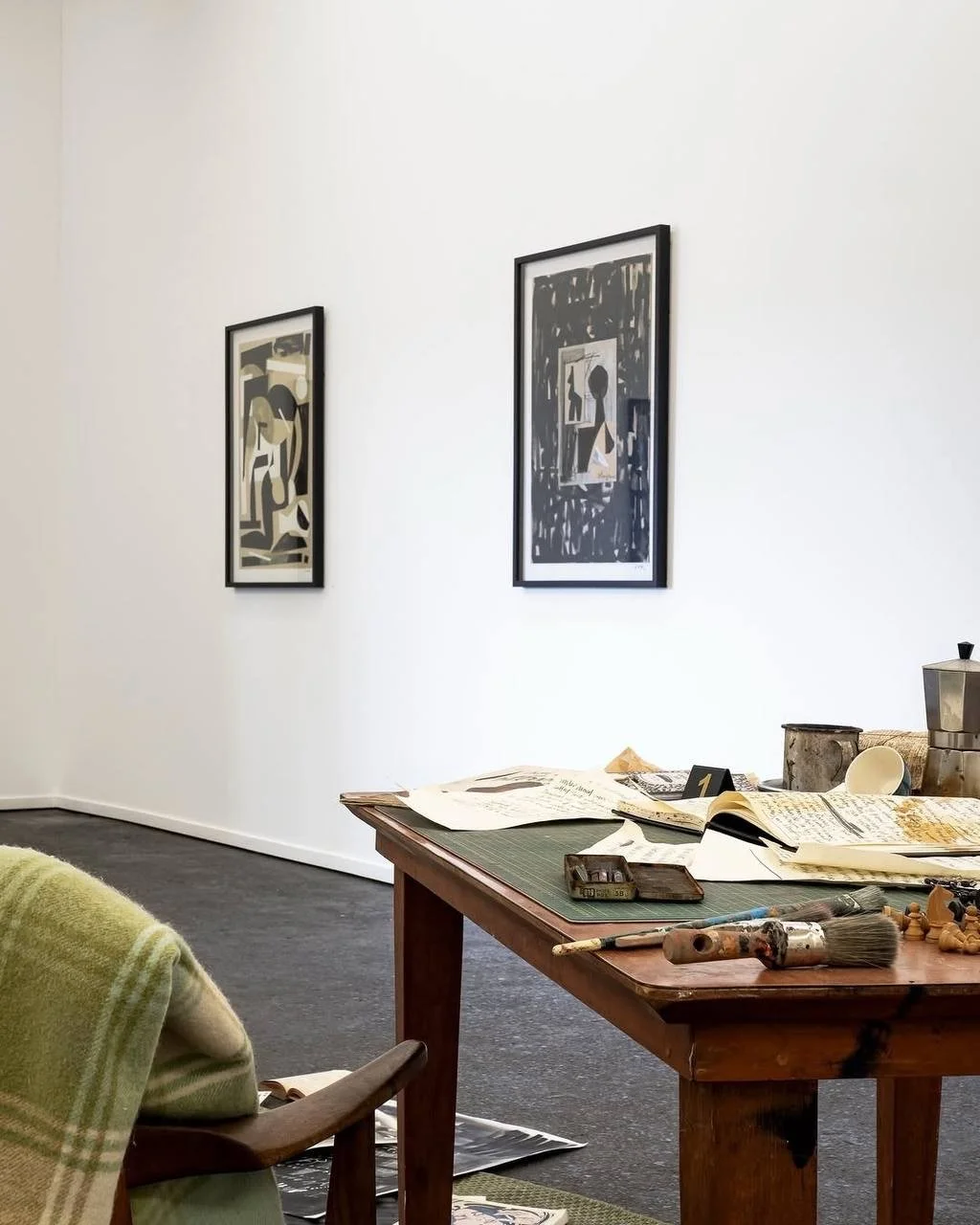
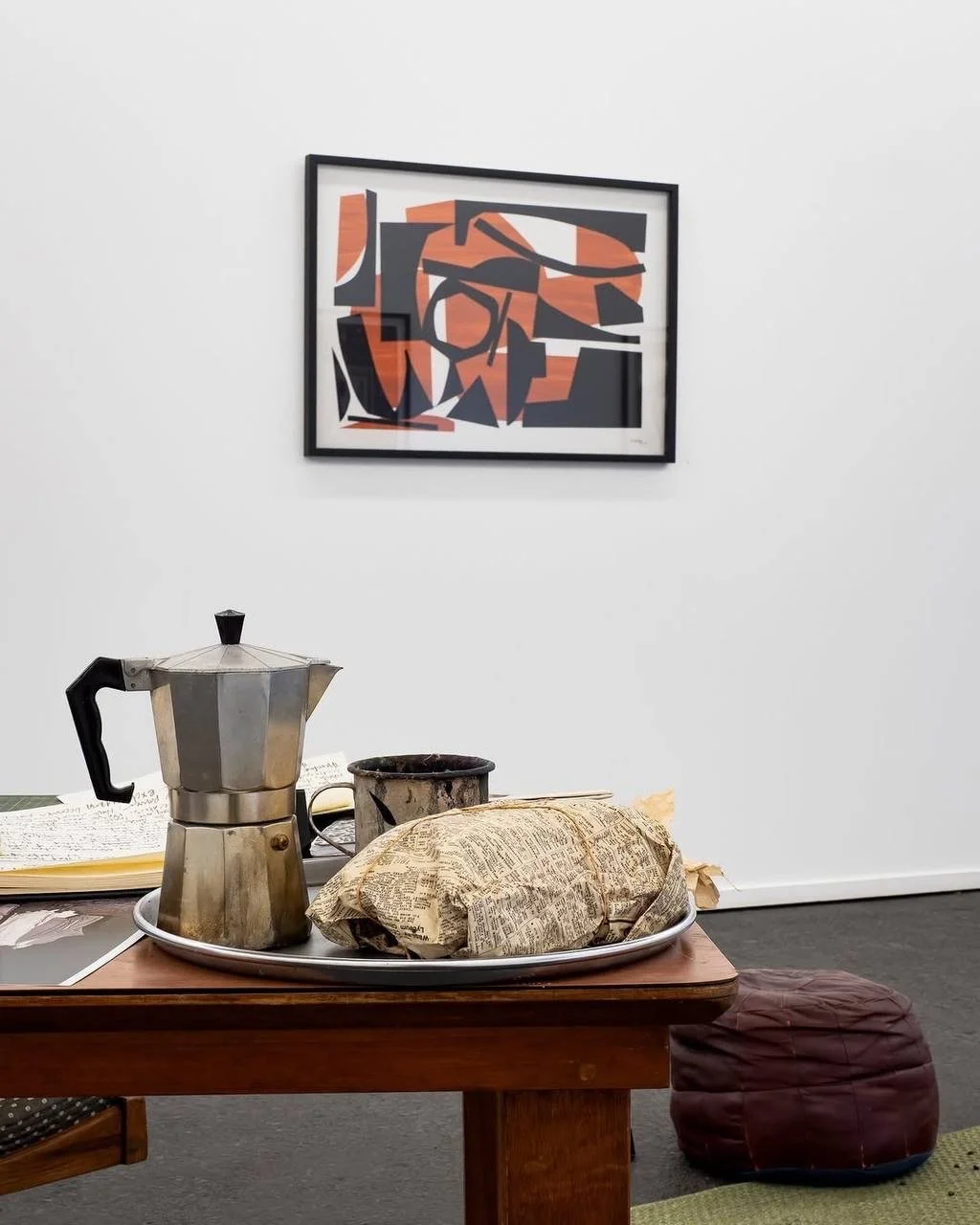
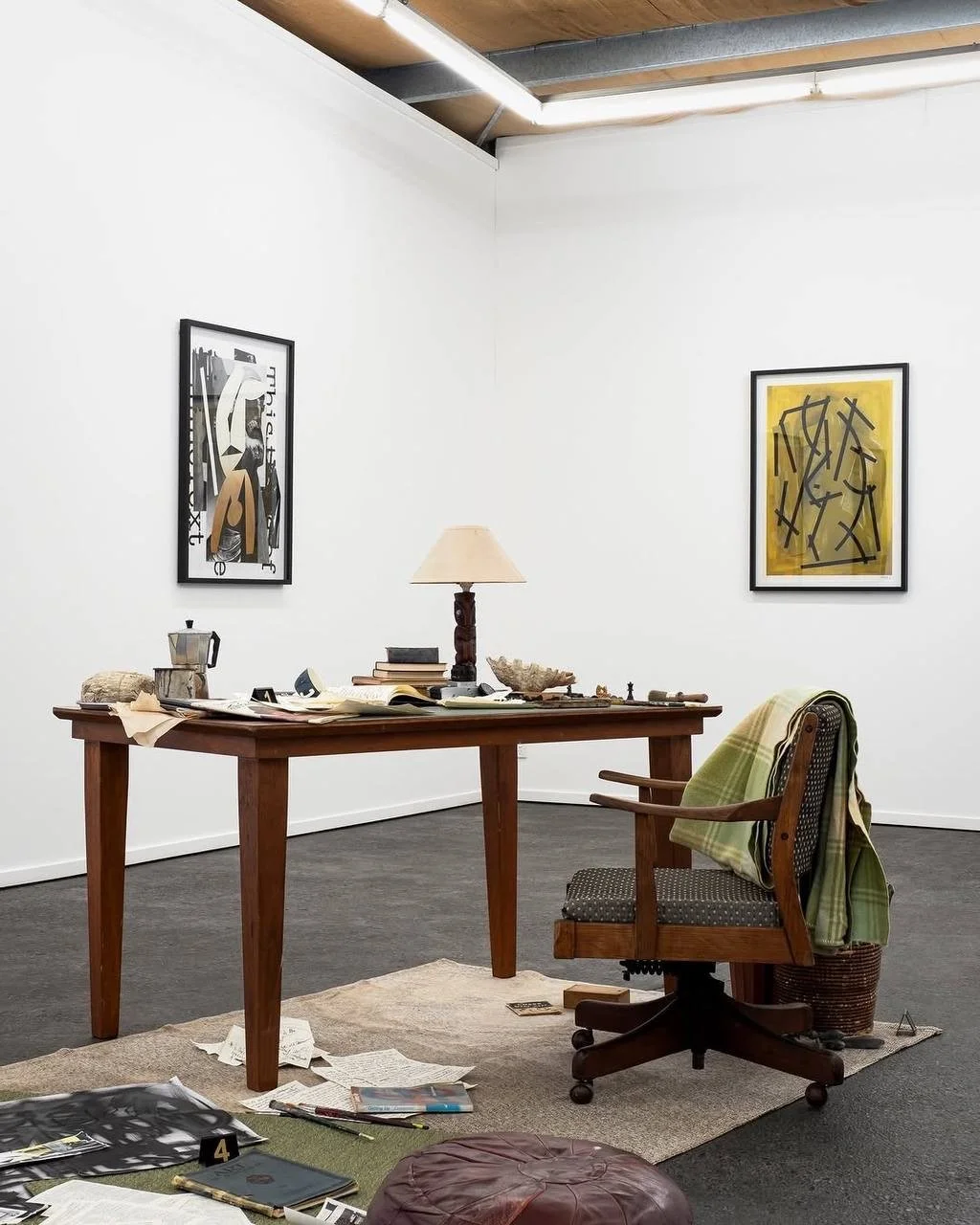
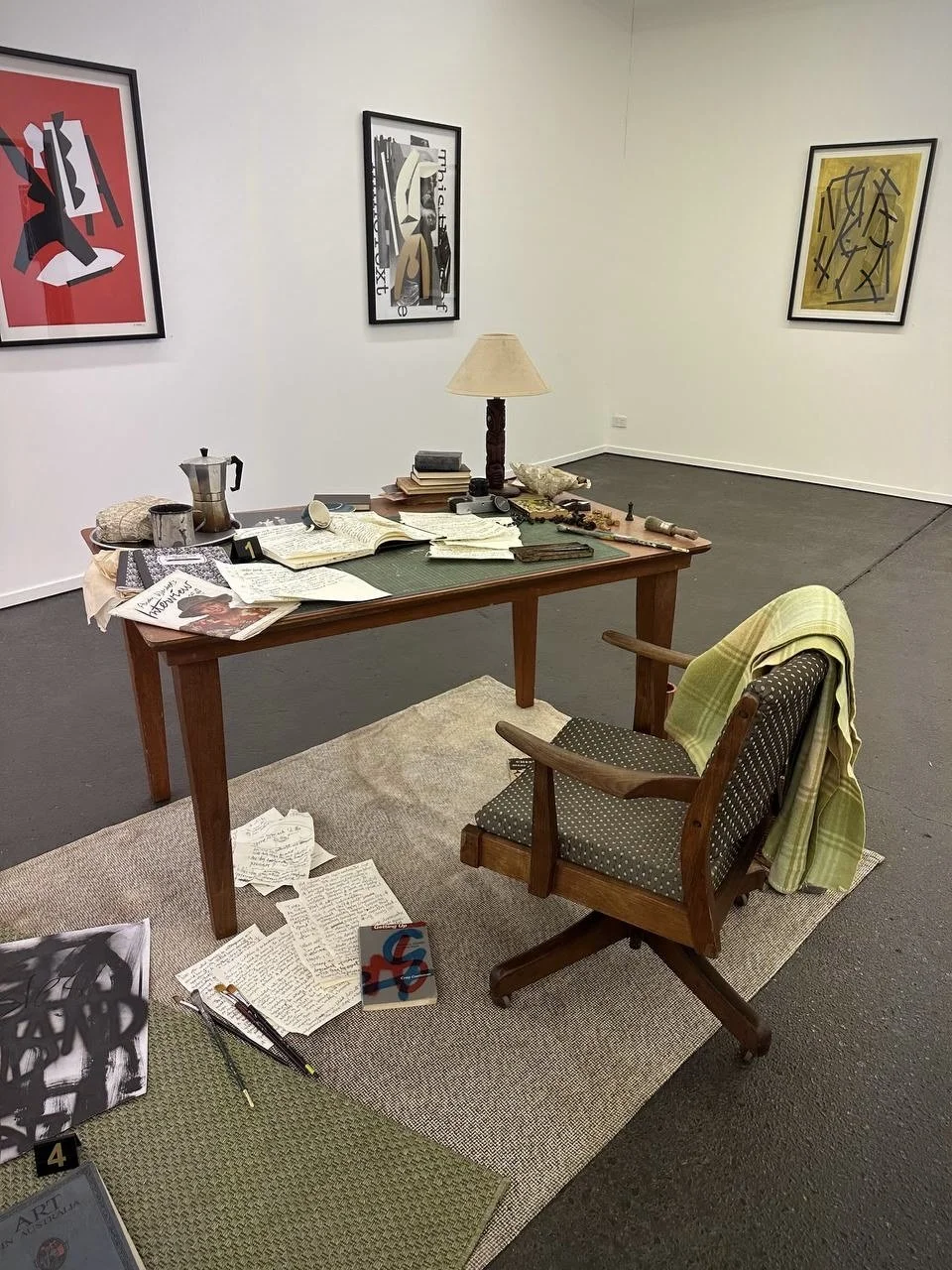
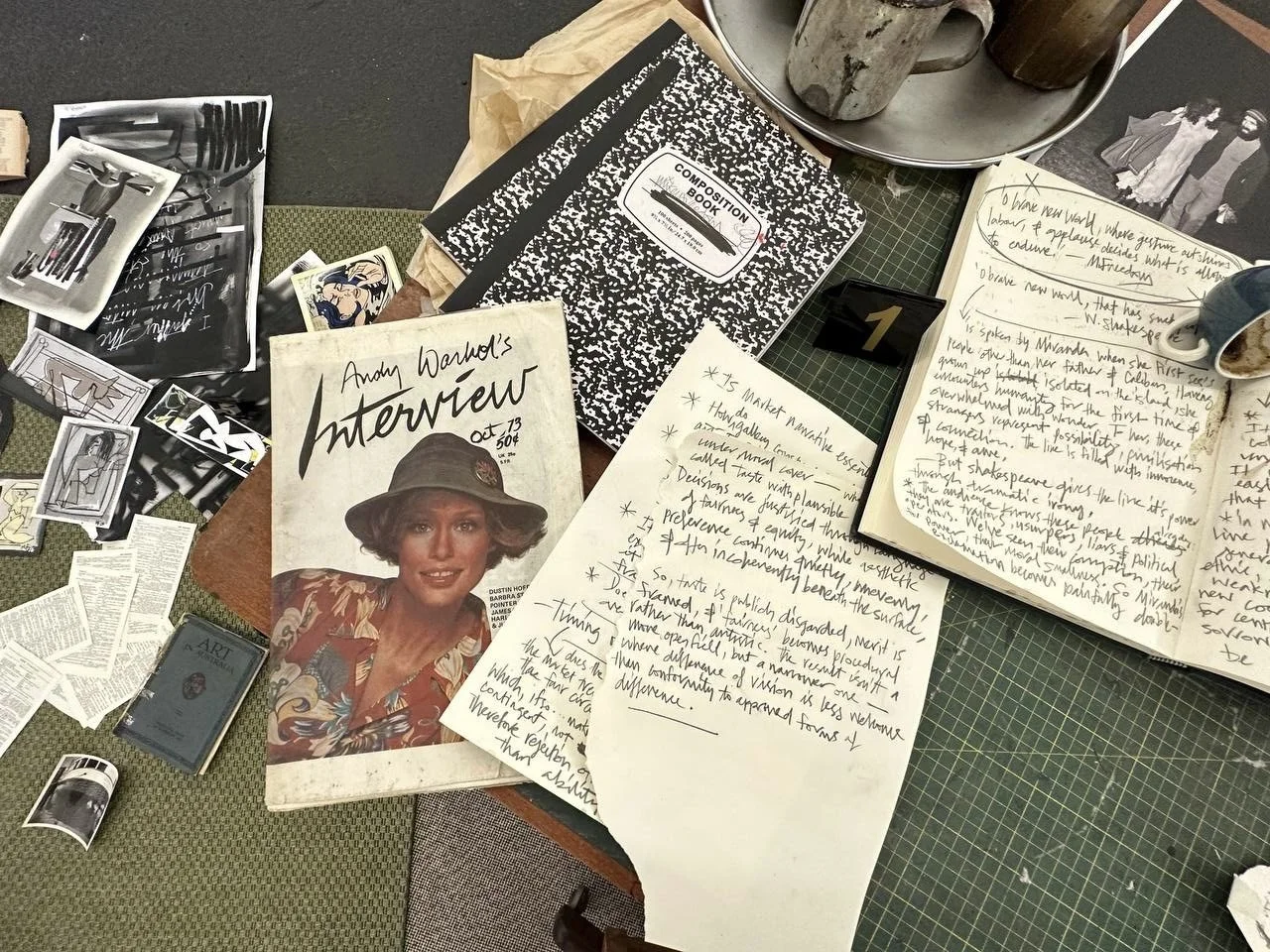
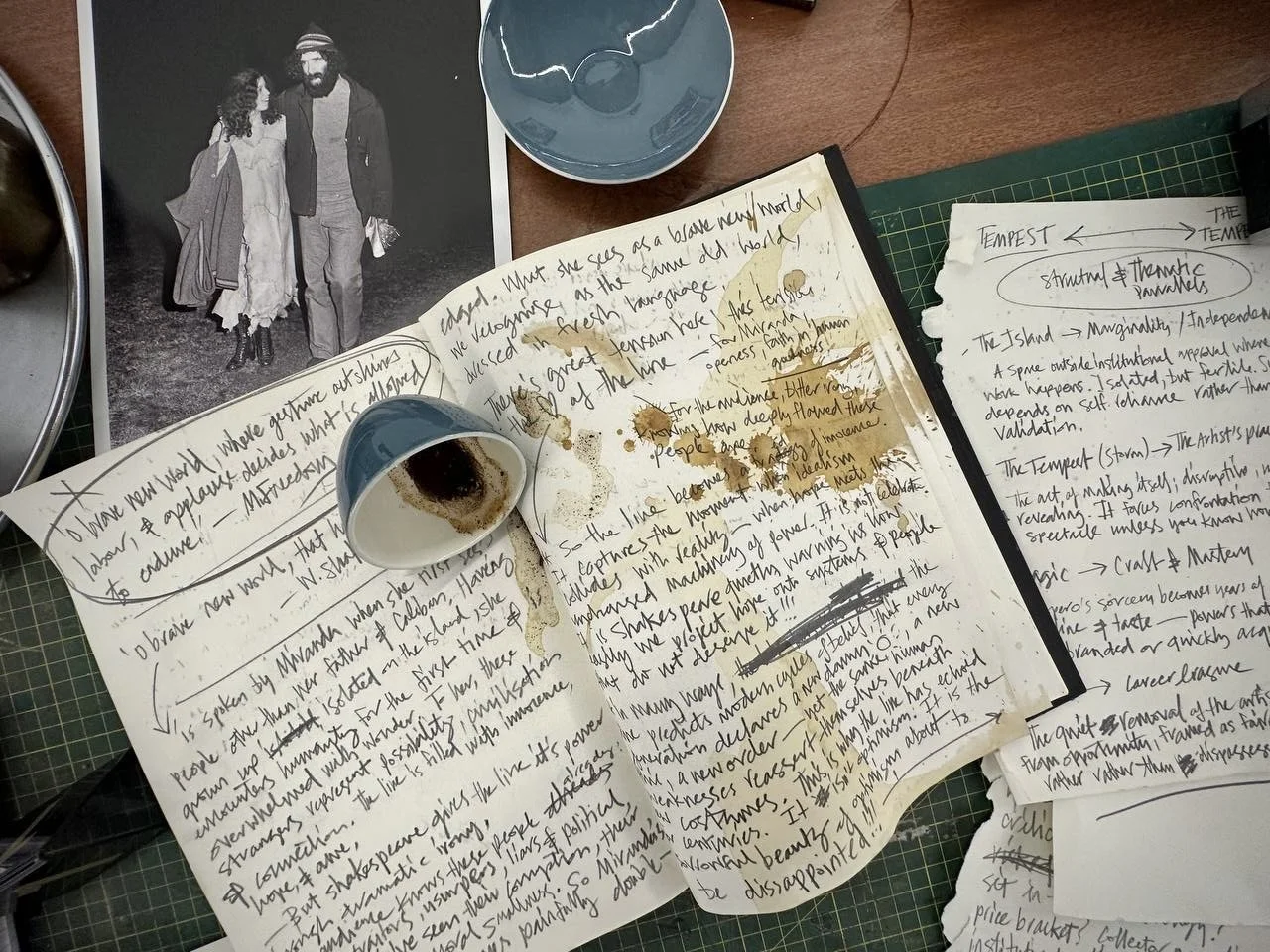
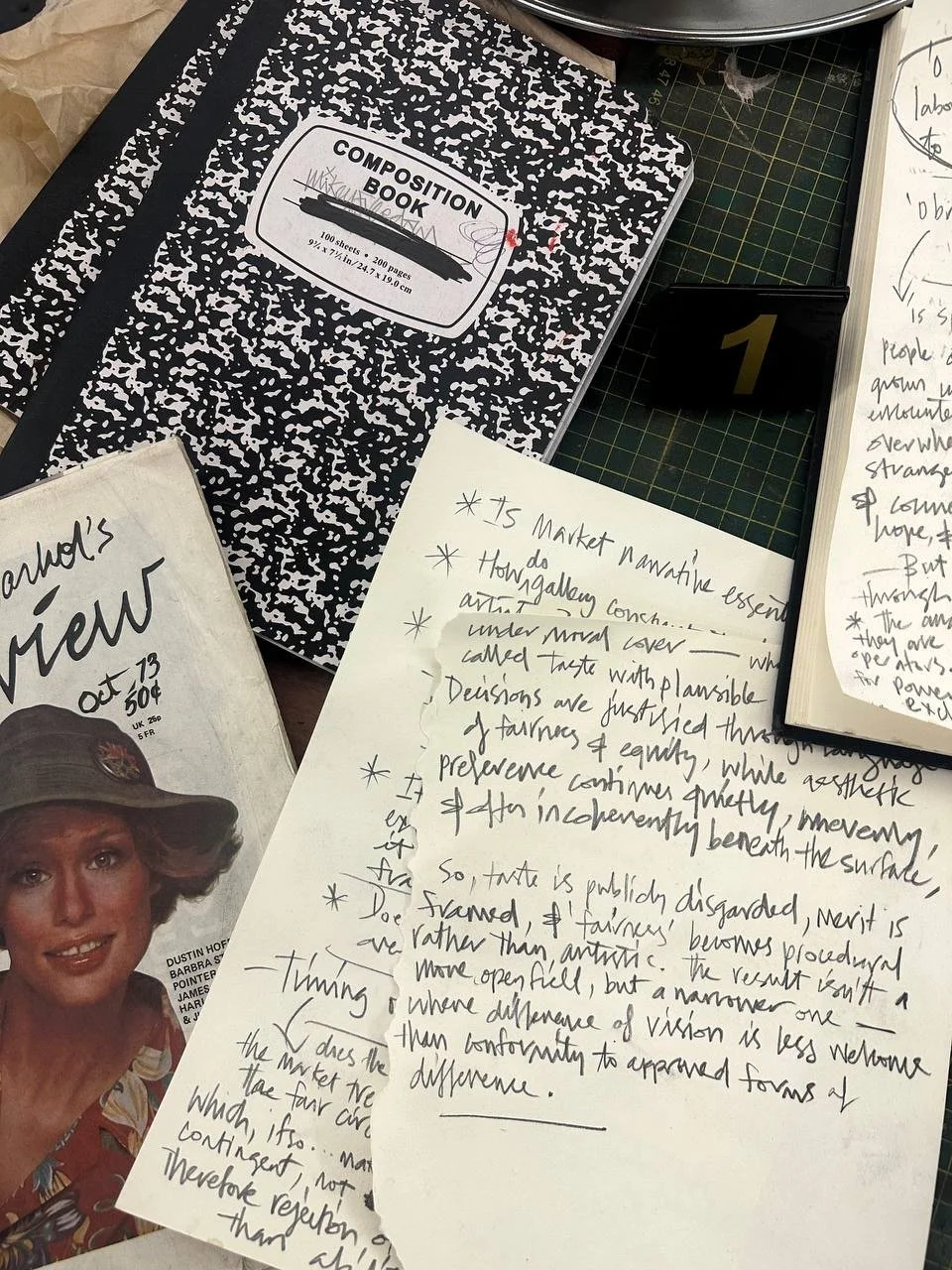
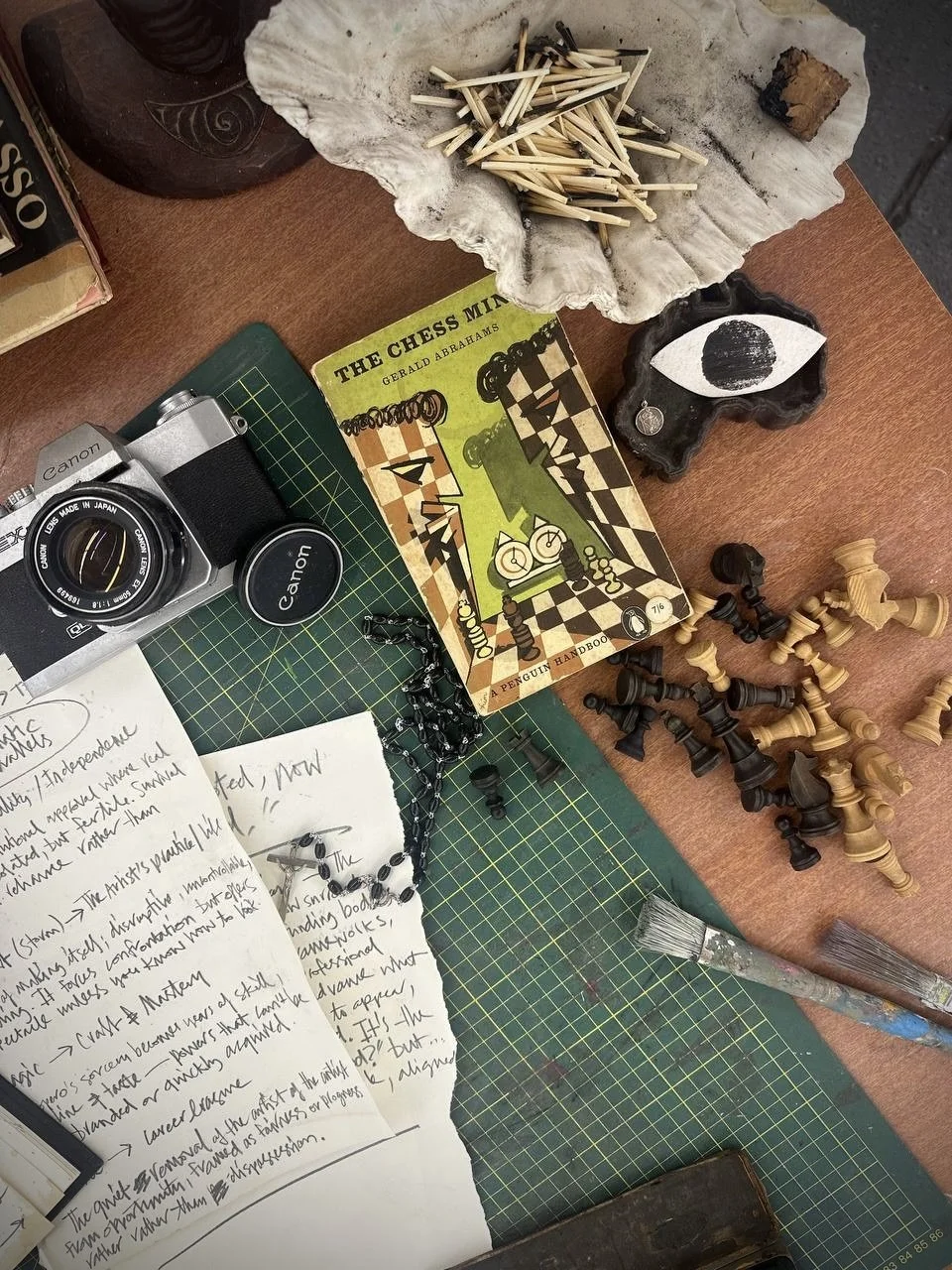
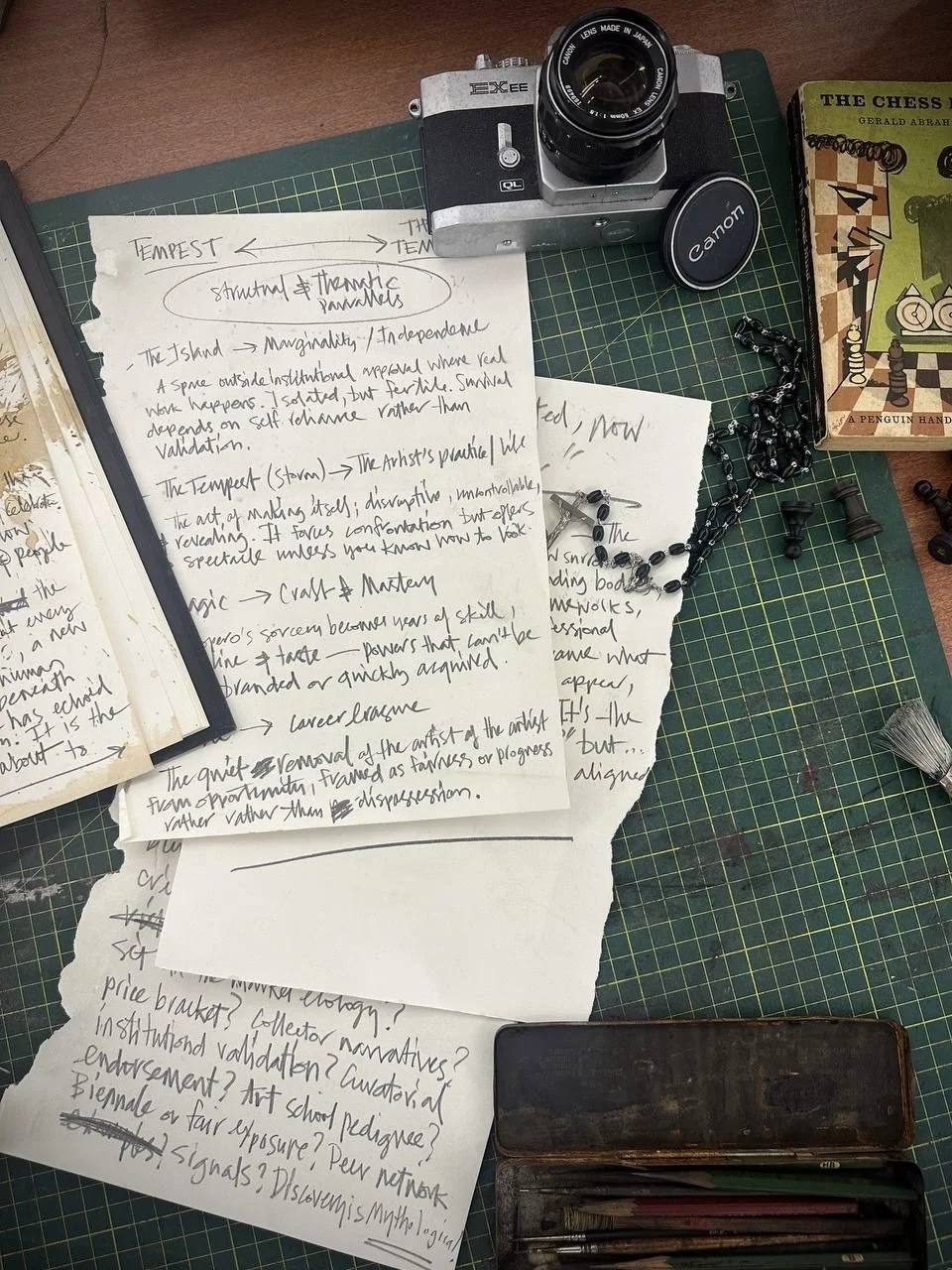
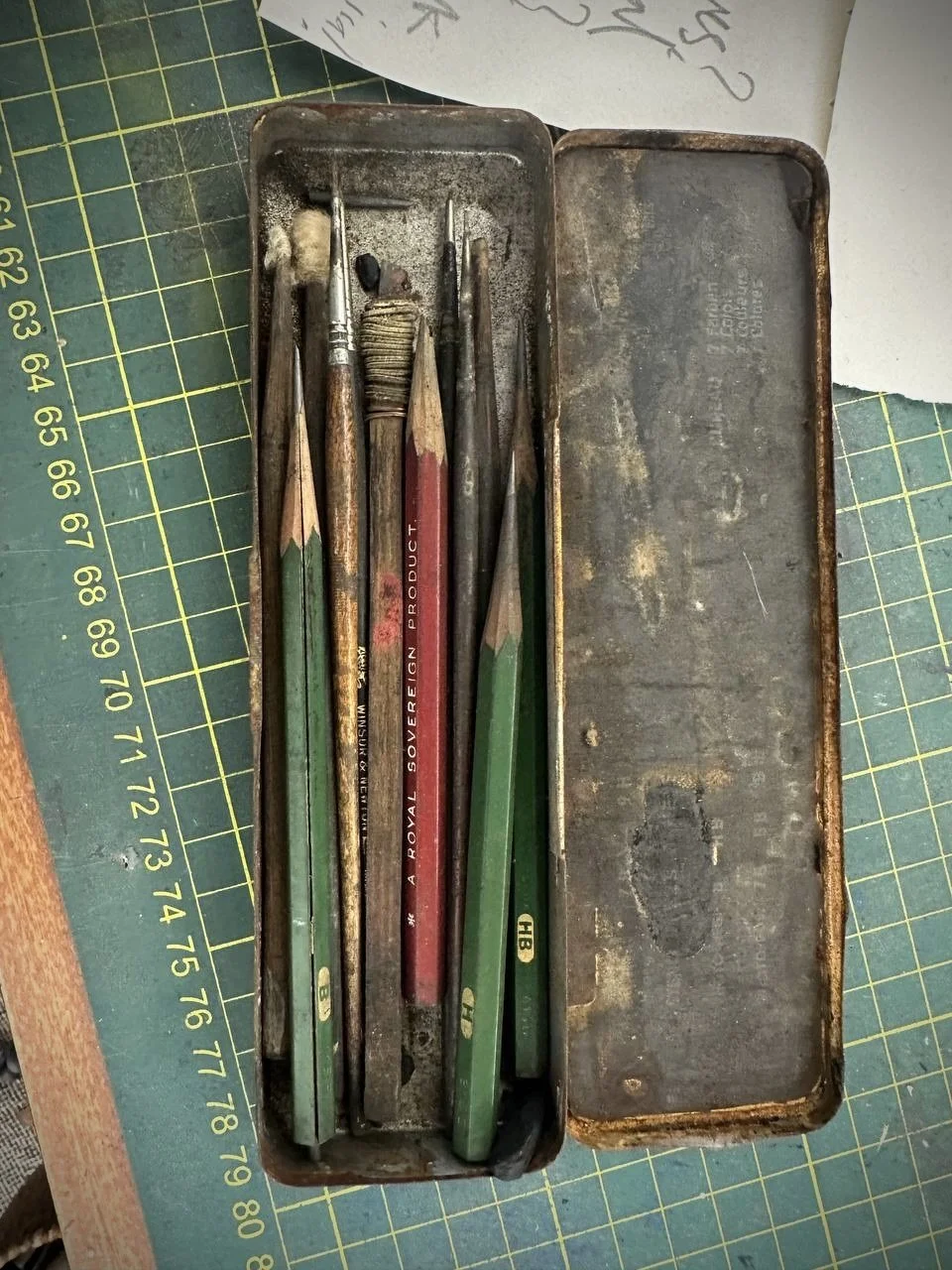
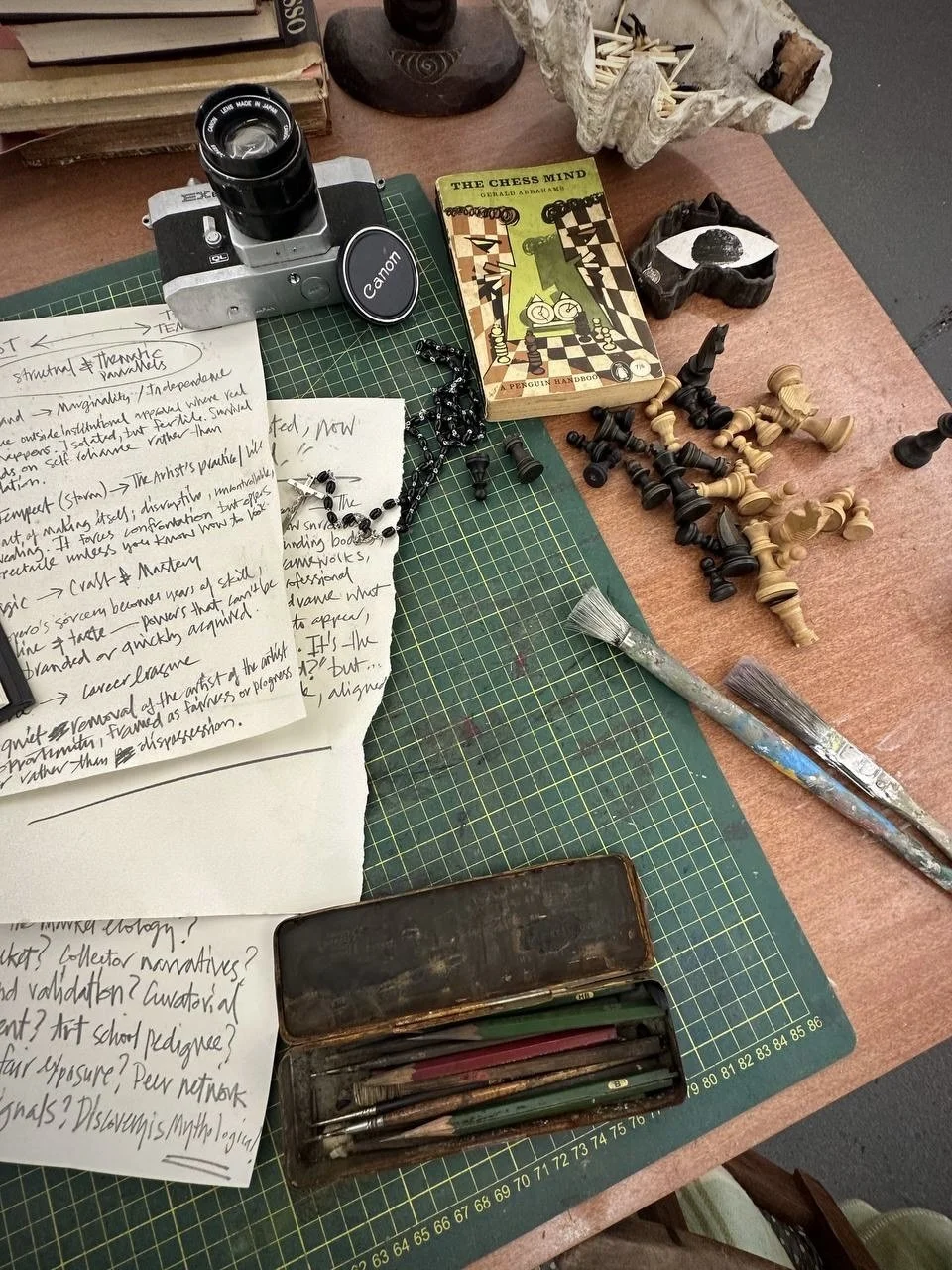
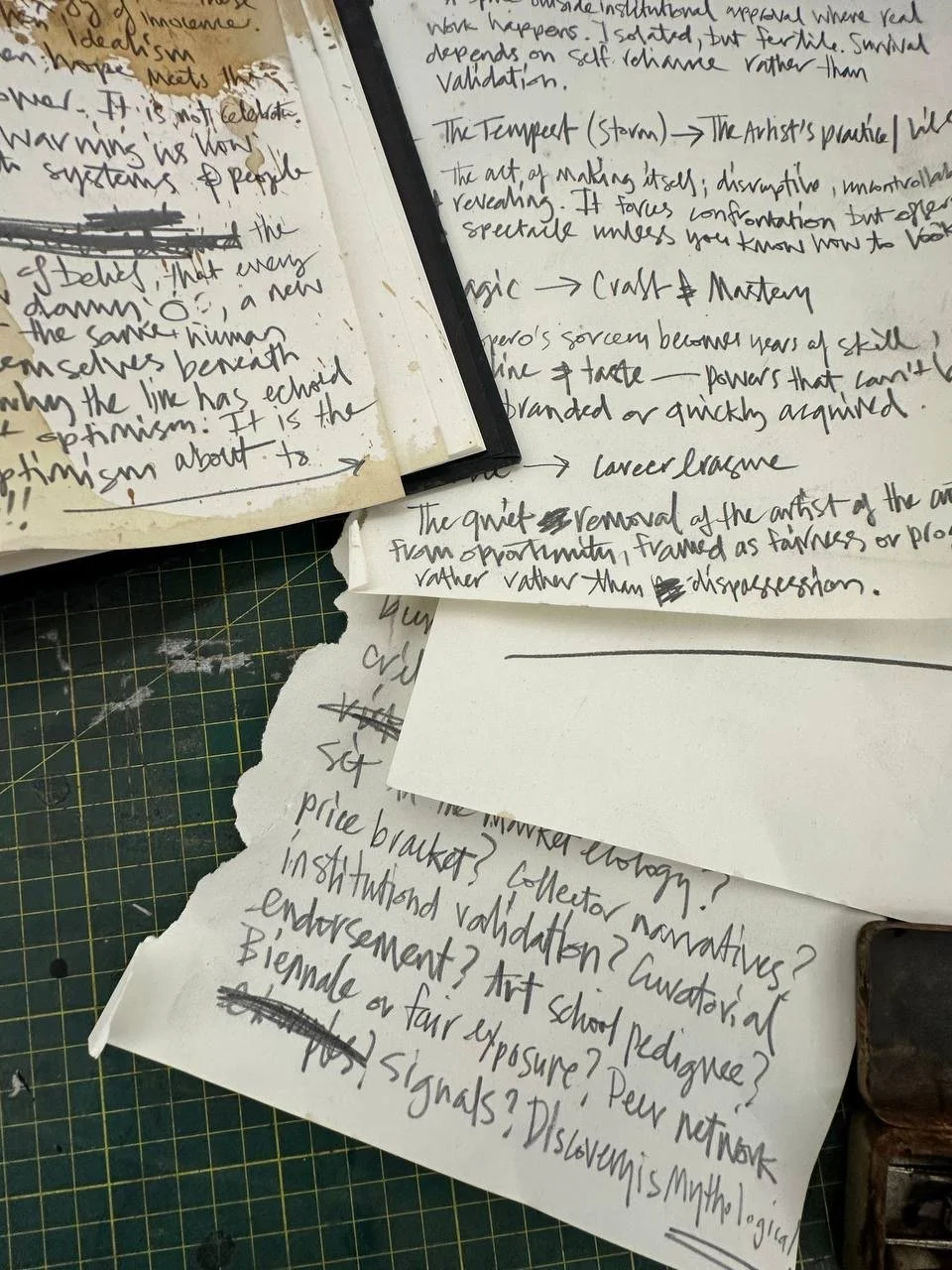
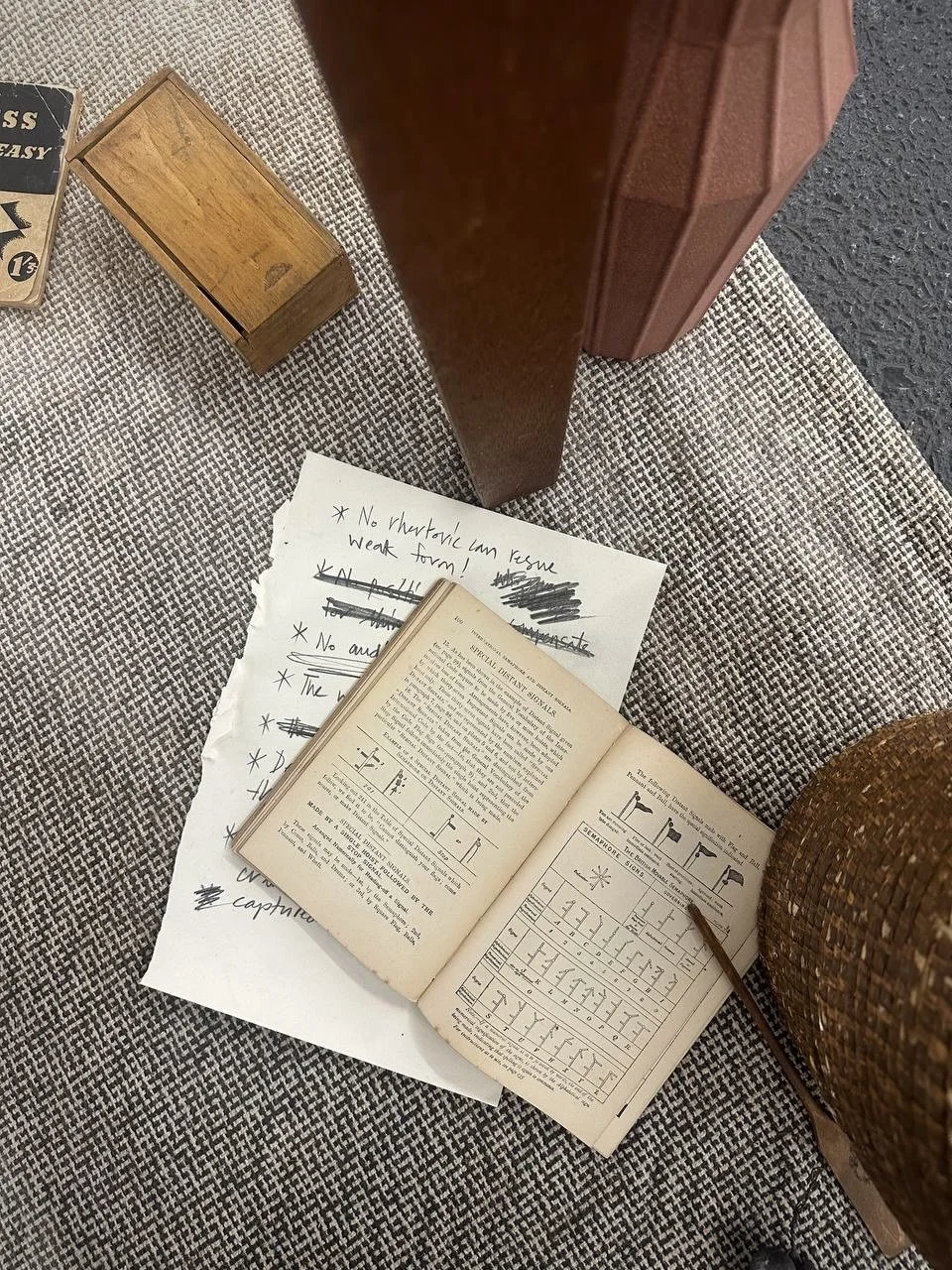
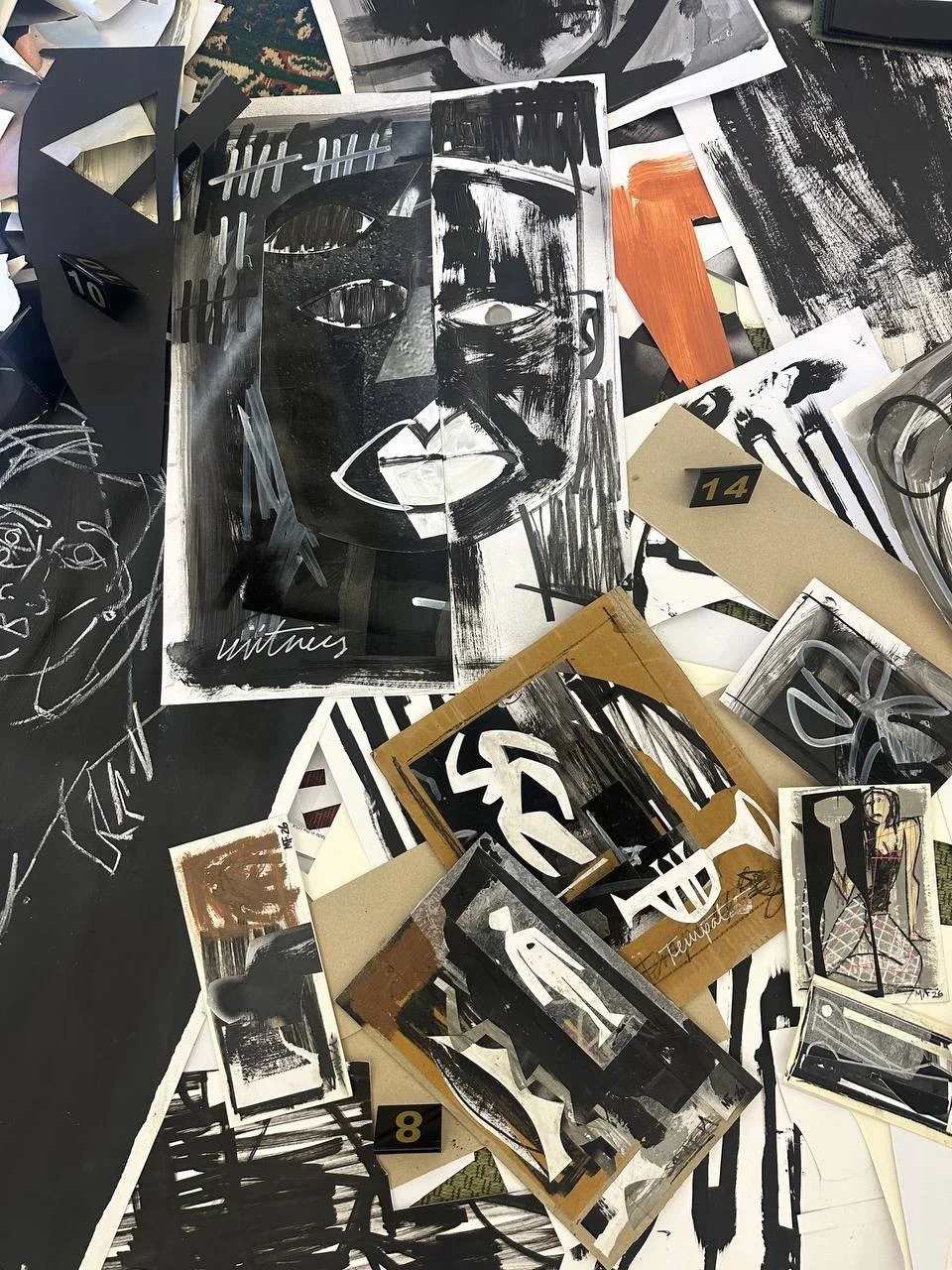
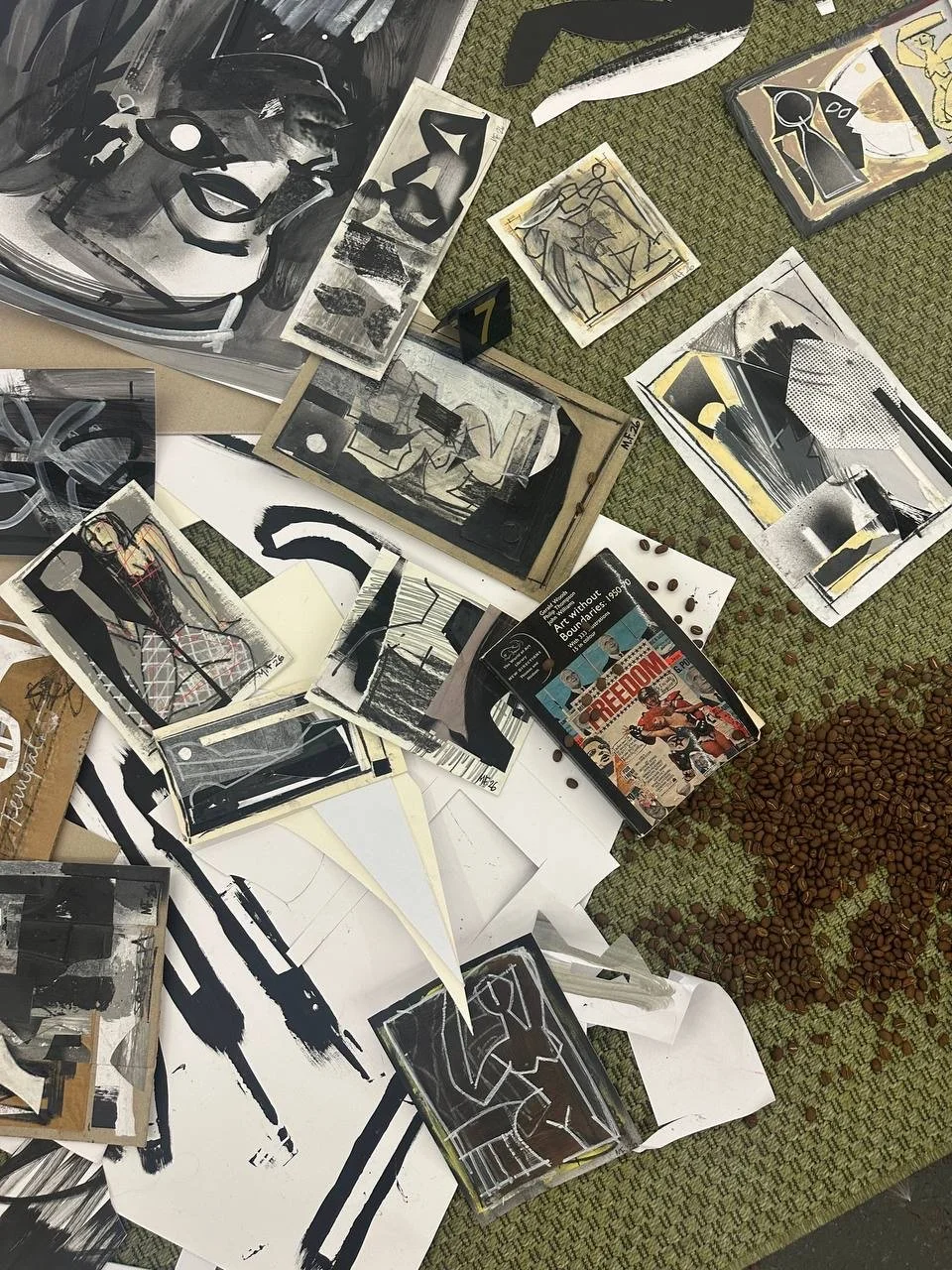
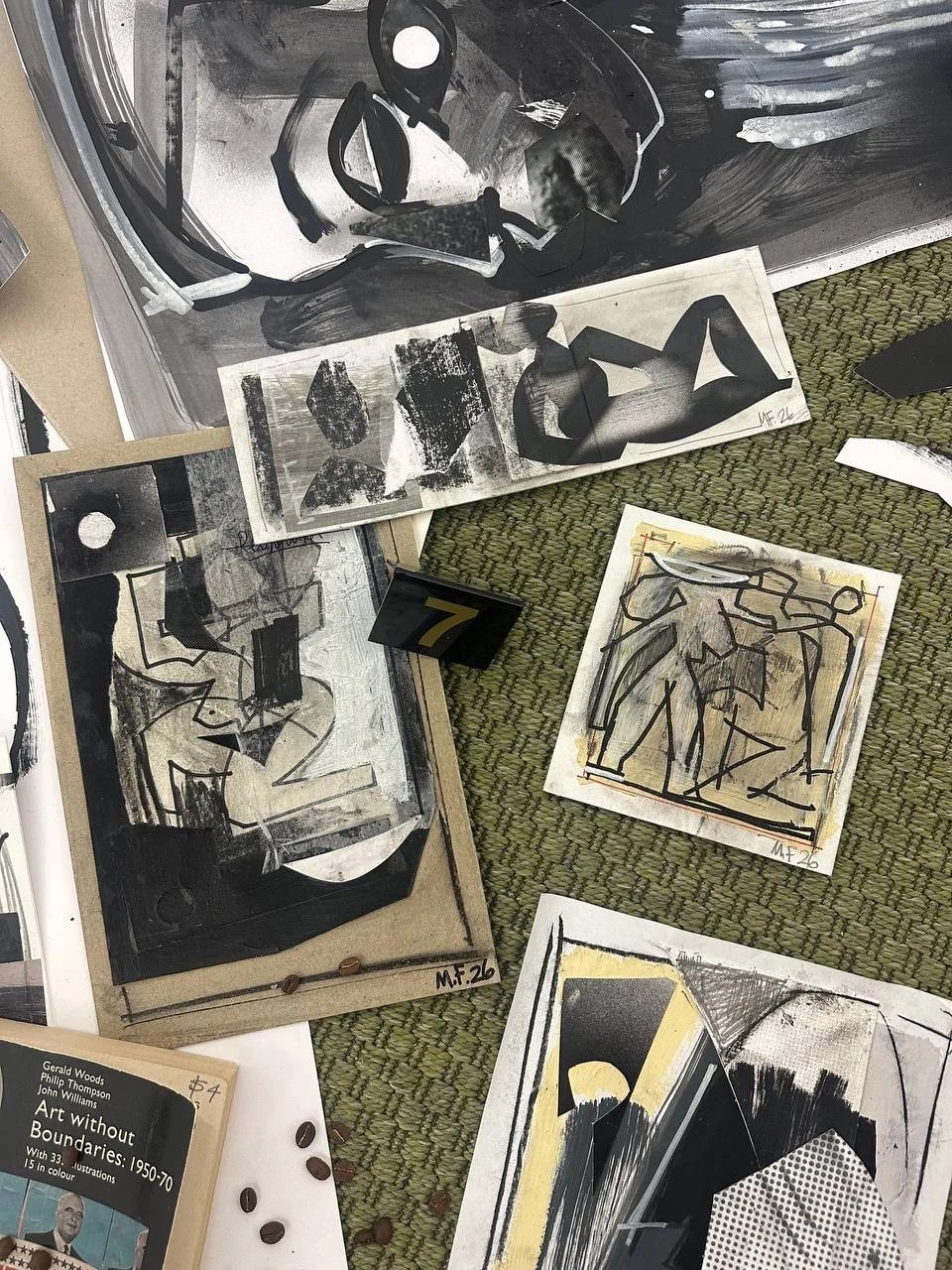
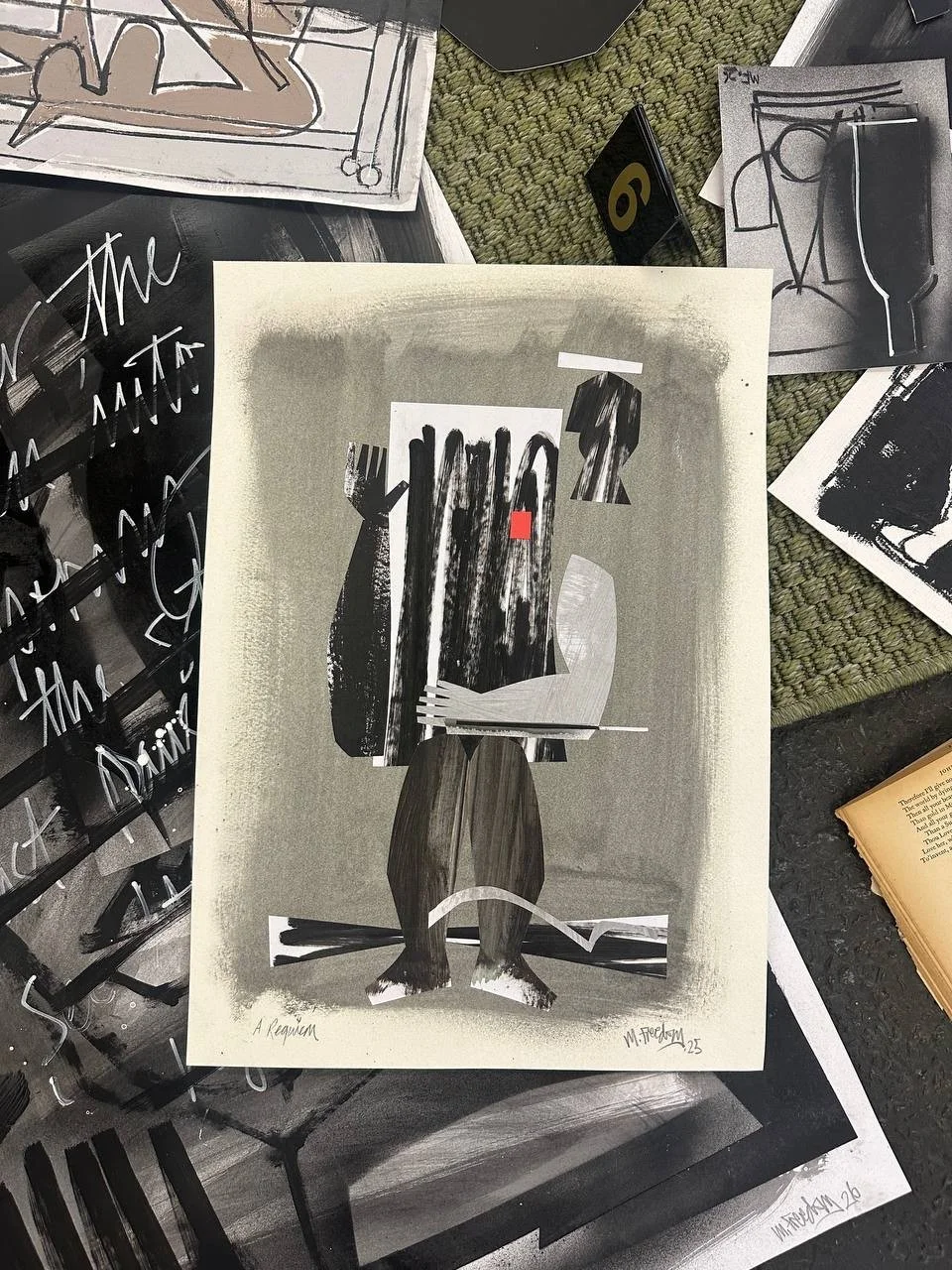
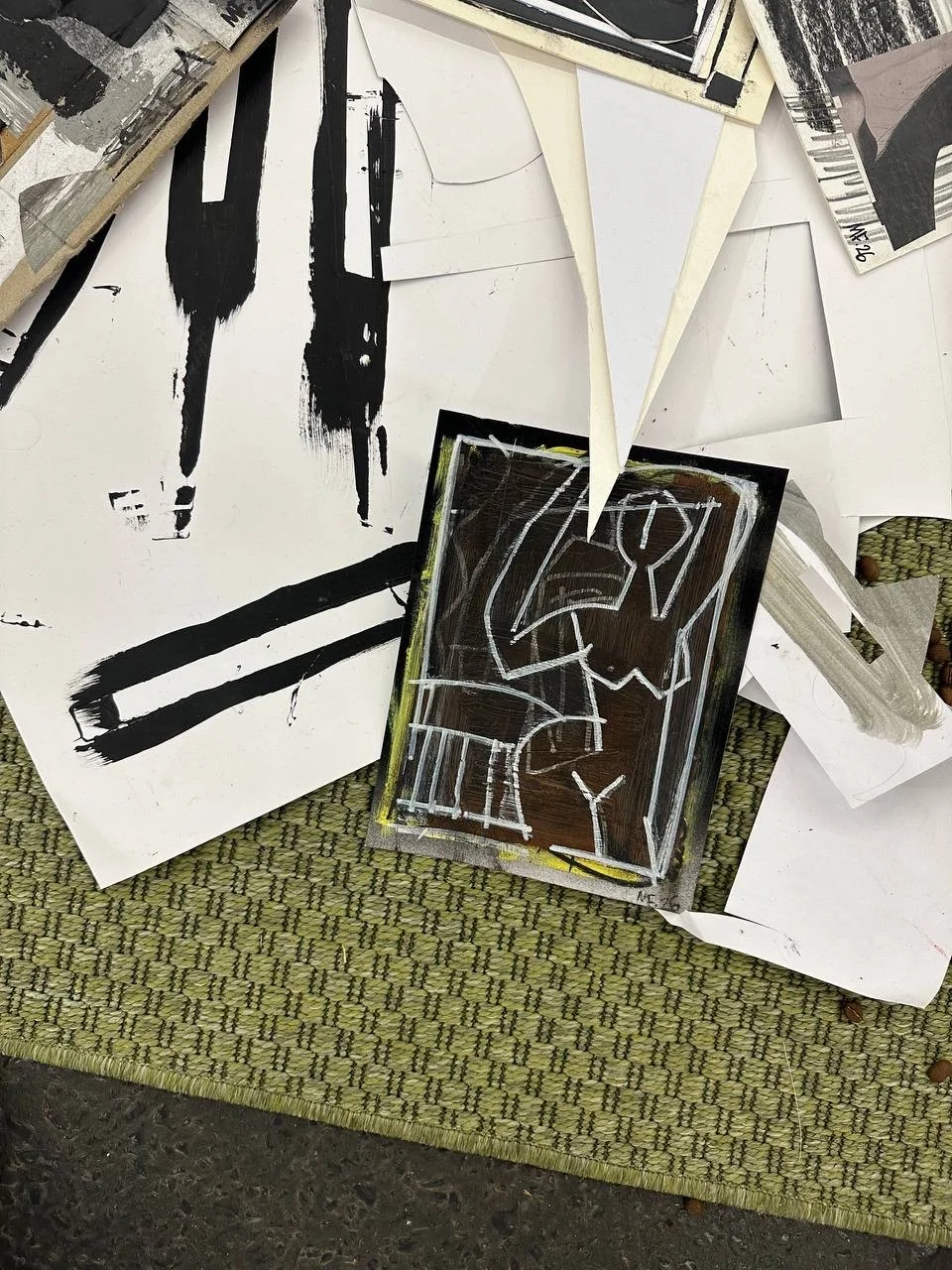
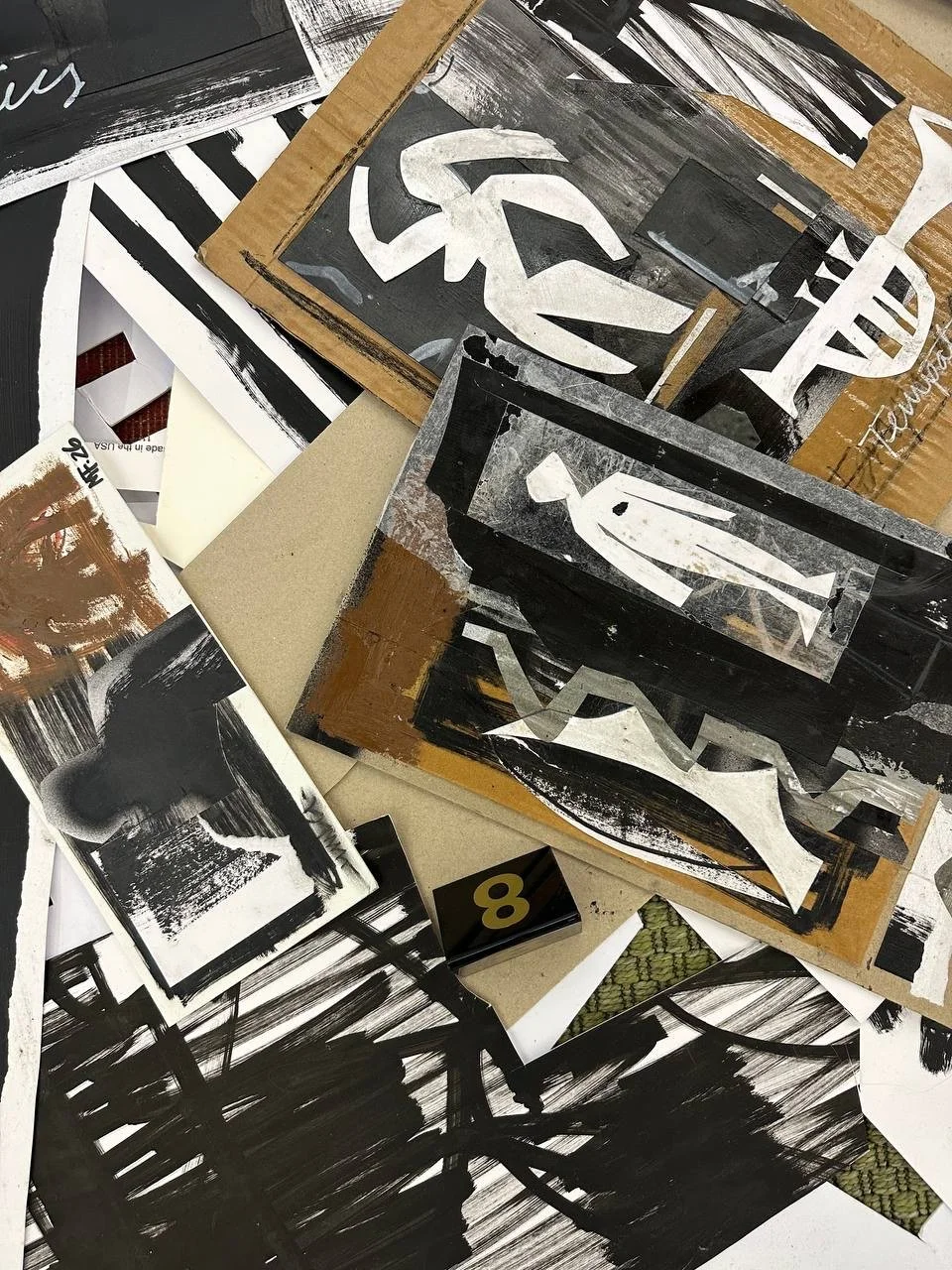
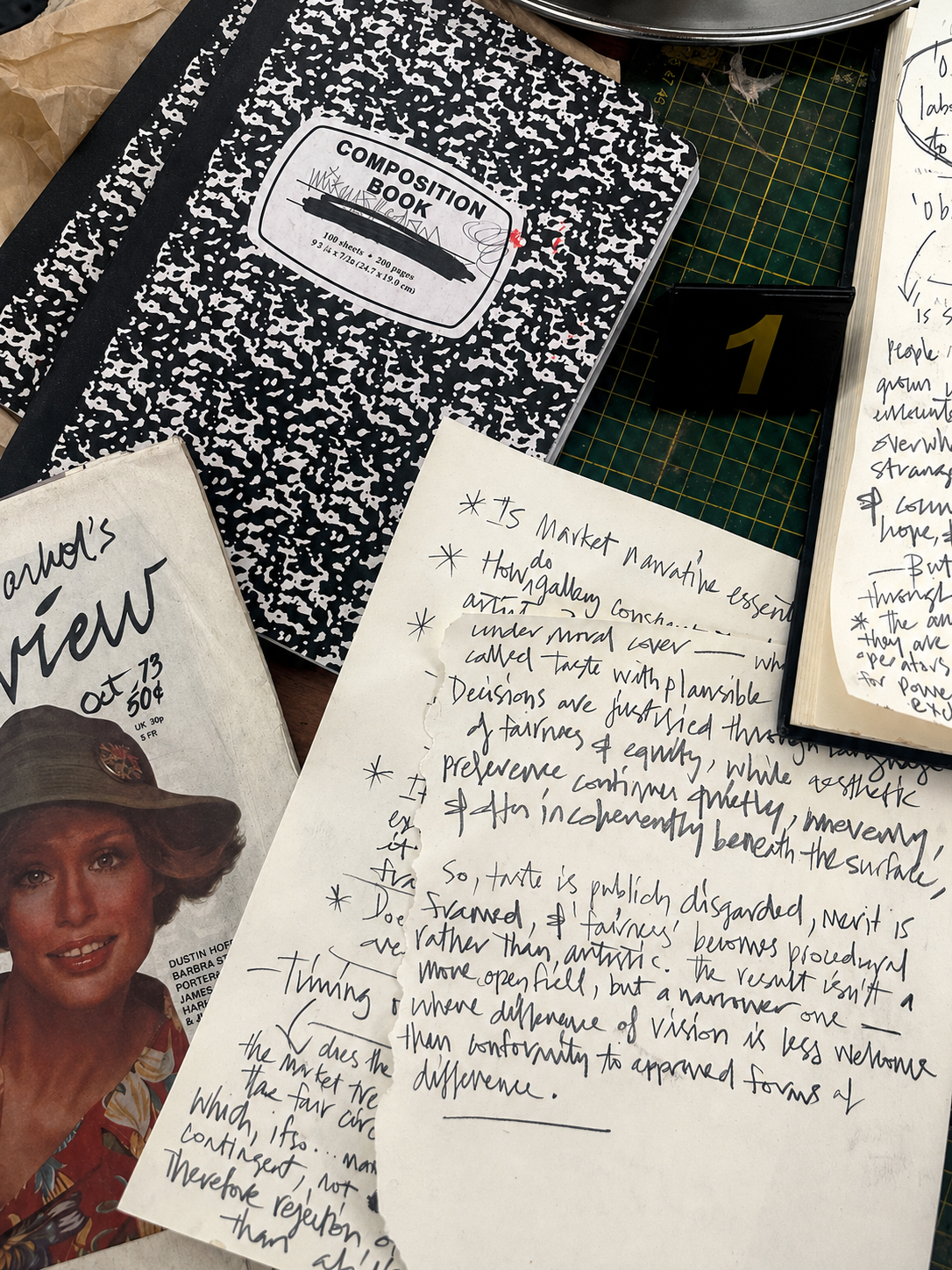
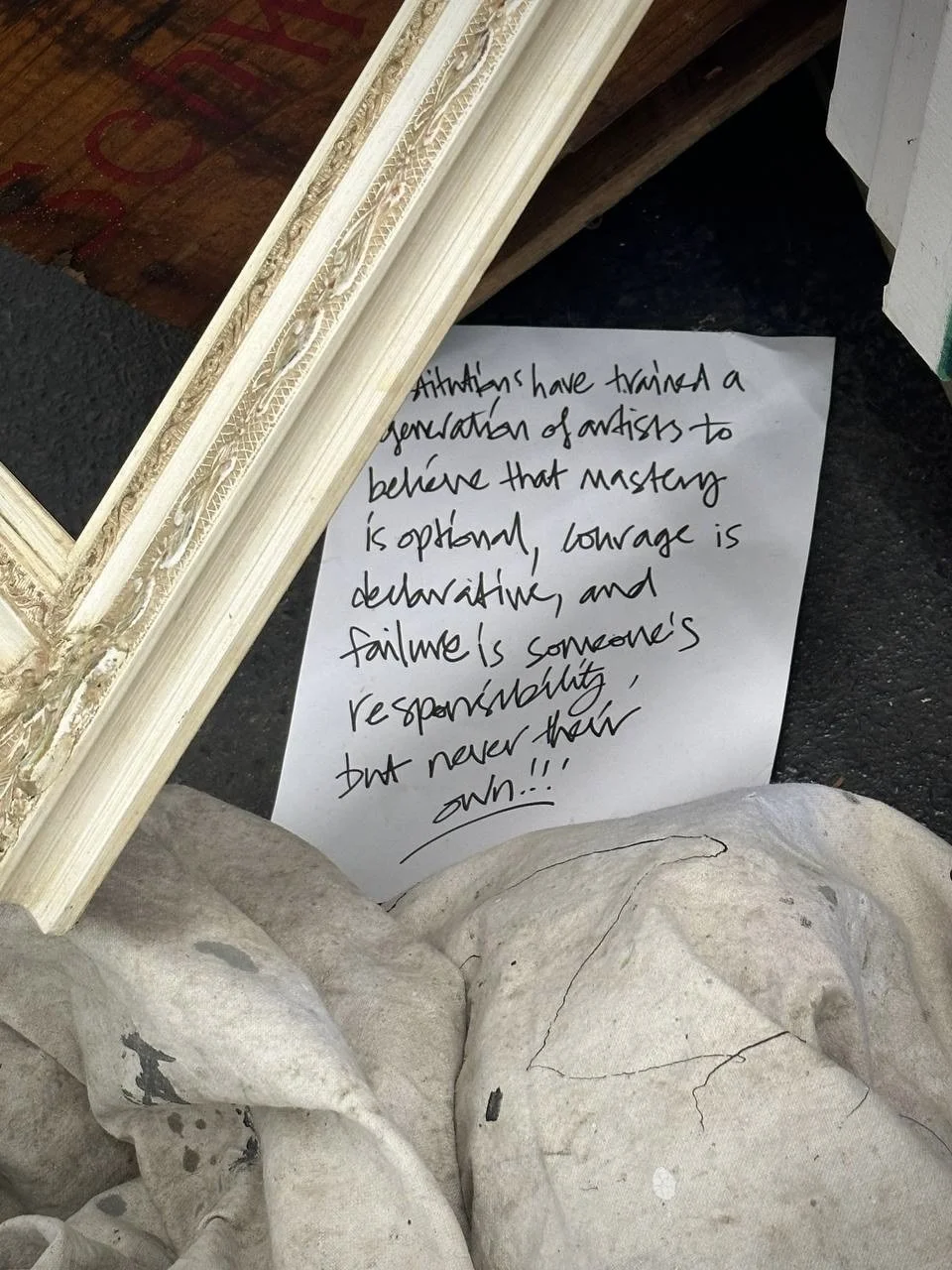
The second installation, larger and more insistent, shifts from aftermath to interiority——the private word of the artist. If the first is the wreck, this is the workshop—the hidden theatre in which the work is conceived, doubted, and remade. A desk, a chair, the detritus of making: offcuts, notes, tools, fragments of images that echo and refract the finished works on the walls. What is striking here is not the mess itself—artists’ studios have been aestheticised to death—but the refusal to edit it into charm. The heap of discarded material on the floor has a certain stubborn integrity; it insists on process as something unresolved, even wasteful. The connections between these fragments and the resolved works nearby are not didactic but suggestive, forming a kind of visual murmur that runs beneath the exhibition. You begin to see the finished images not as isolated objects but as moments wrestled from a much larger field of uncertainty.
Together, these installations do something increasingly rare: they restore context without reducing the work to explanation. They enlarge Tempest from a sequence of images into an environment of thought and making. The gallery, usually a place of conclusion, becomes instead a site of exposure—of what precedes the work and what remains after it. In an art world inclined to present only the resolved surface, this insistence on the unfinished, the discarded, and the contingent feels not only refreshing but necessary.
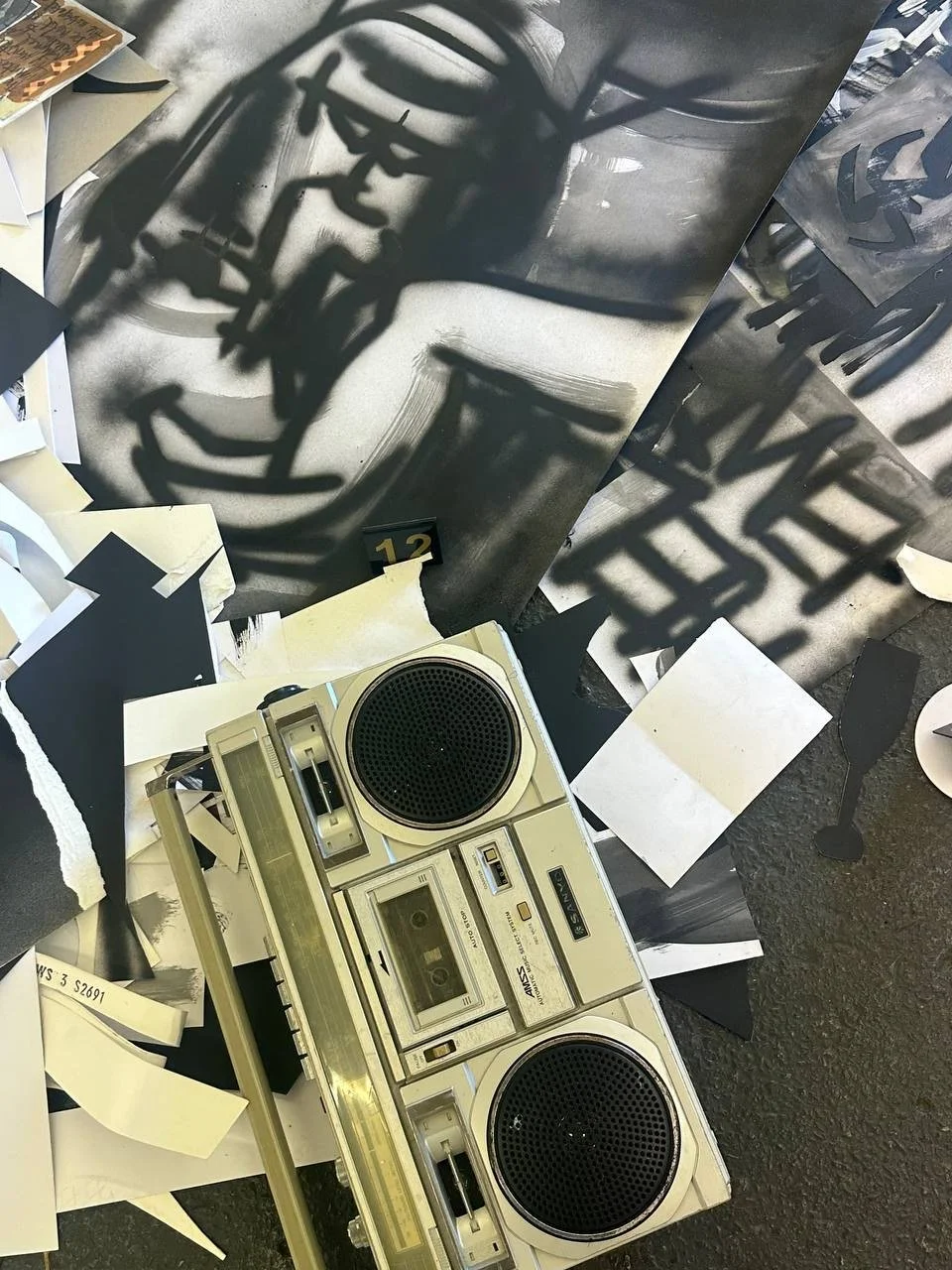
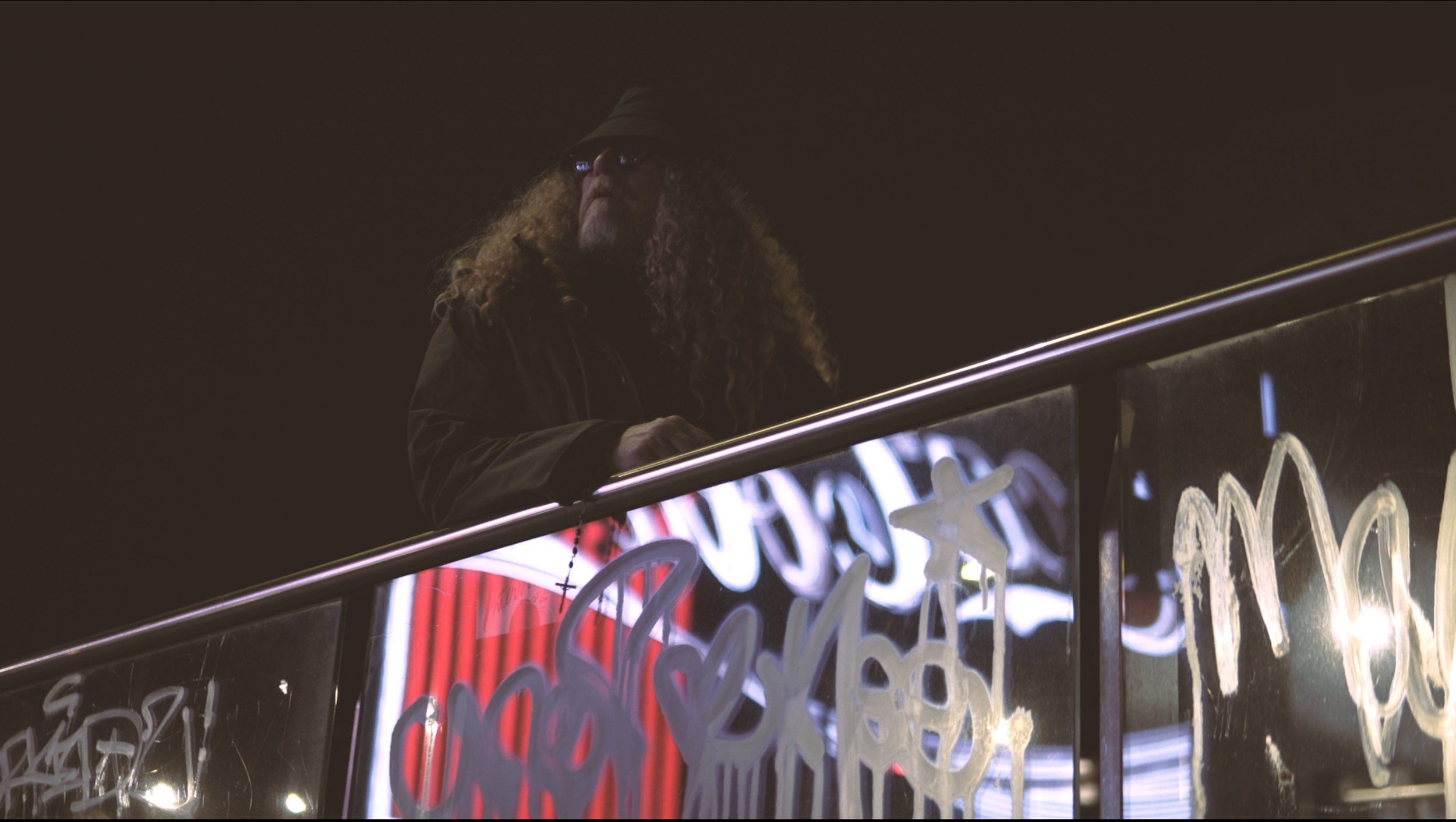
While TEMPEST developed a sound was developing too. Press play to listen.